How-To

last modified: October 23, 2025

How to Create a Large 3D Printed Artwork

Posted on 2021-12-30— 3D Printing, Build, How and Why, Learn, Projects

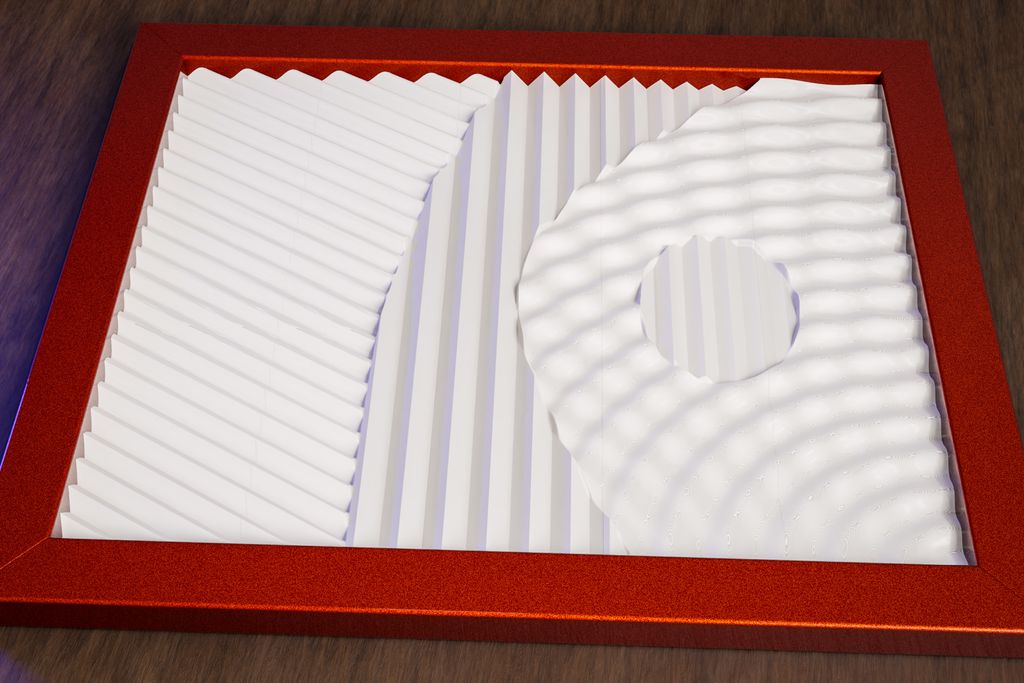
I built a 100×80cm 3D‑printed artwork and walk through the technical steps I used: preparing mathematical height data, generating Z‑maps, slicing into printable tiles with Blender and PrusaSlicer, and assembling and painting the final piece. If you're curious about the scripts and workflow, read the full tutorial.

Read this post

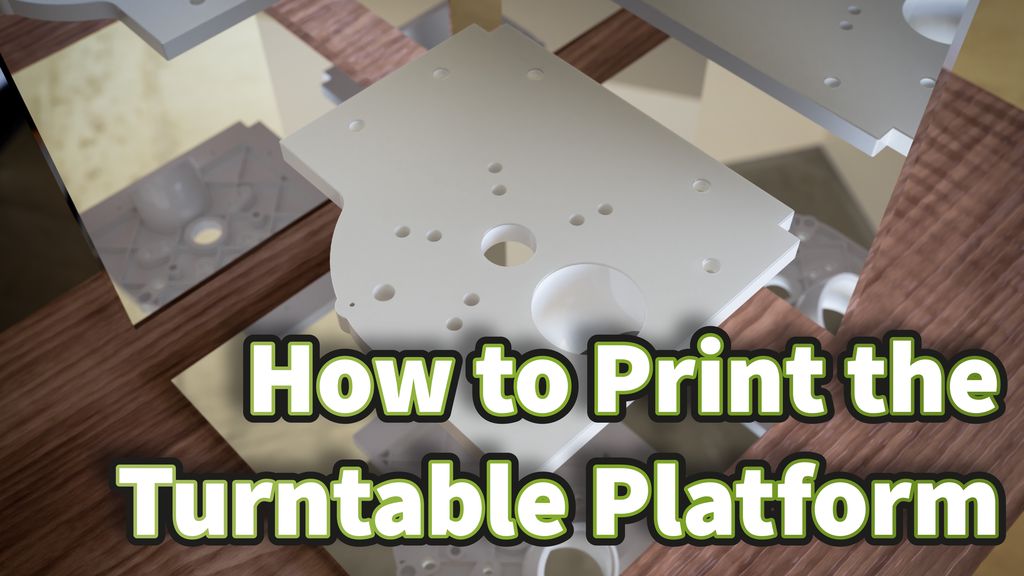
How to Print the Turntable Platform

Posted on 2021-04-05— Common

I show two practical ways to print the turntable platform: filling tiny slots with food-safe epoxy for the best light-blocking results, or adjusting infill to avoid epoxy. I include slicer tips, material settings, and GitHub downloads. Read the full post to follow step-by-step instructions and choose the right method.

Read this post

How to Assemble the MicroMaTch Connectors with a Hammer

Posted on 2021-03-21— Learn

I show a simple, reliable method I use to assemble MicroMaTch connectors with a hammer. I made a short video that walks through the exact technique step by step. If you want a quick, practical demo and tips, I hope you'll watch the clip and read the brief how-to.

Read this post

C++ Templates for Embedded Code (Part 2)

Posted on 2019-07-27— C++, Improve your Code, Learn

I continue exploring C++ templates for embedded systems, showing template classes, pin abstraction, and combining Sender and Pin examples to reduce firmware size and improve code clarity. I explain static methods, type aliases, and trade-offs between runtime flexibility and efficiency. Read the full post to see code and assembly comparisons.

Read this post

How to Automate the Turn-On Time of a Deco Light

Posted on 2018-12-21— How and Why, Learn

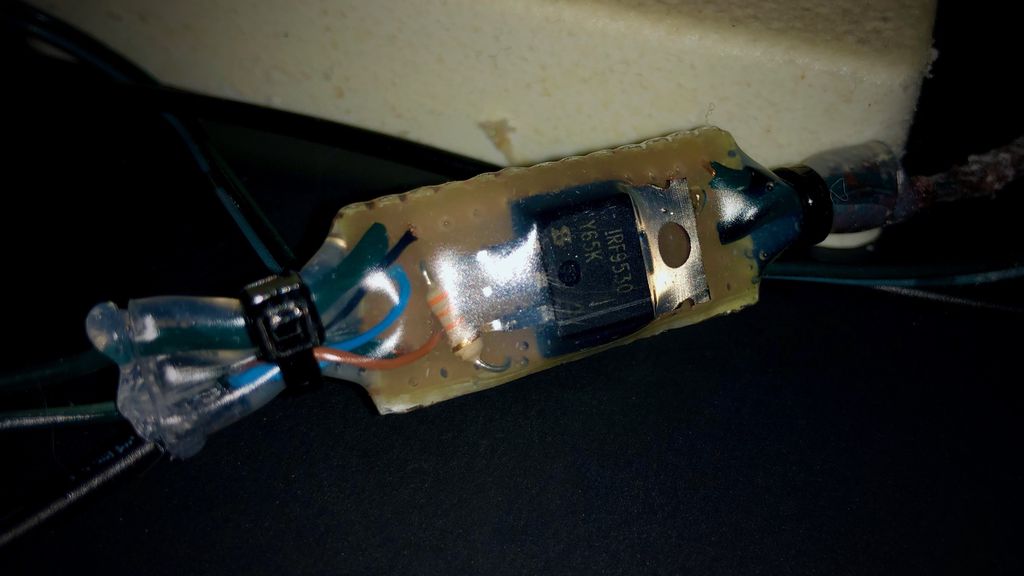
I wanted my winter decoration to switch on at dusk without constant adjustments, so I built a simple low-voltage controller using a P-channel MOSFET, a microcontroller and an ambient light sensor. I walk through my design choices, sealing for outdoor use and programming tips—read on if you'd like to build one too.

Read this post

How to Design a Cheap Plant Watering Sensor (Part 6)

Posted on 2017-04-29— Projects

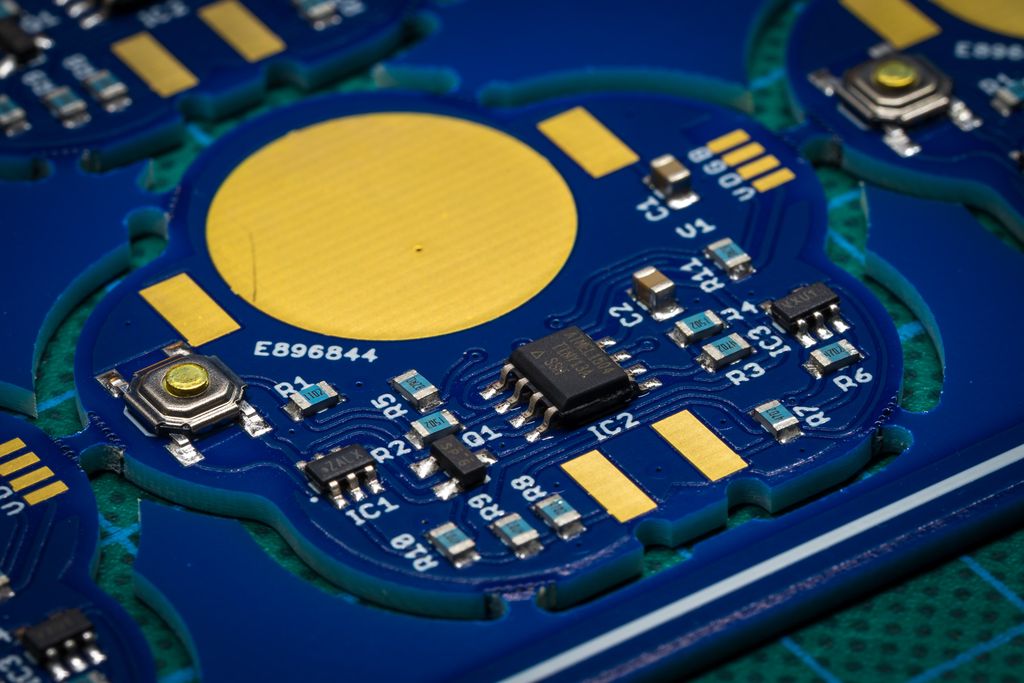
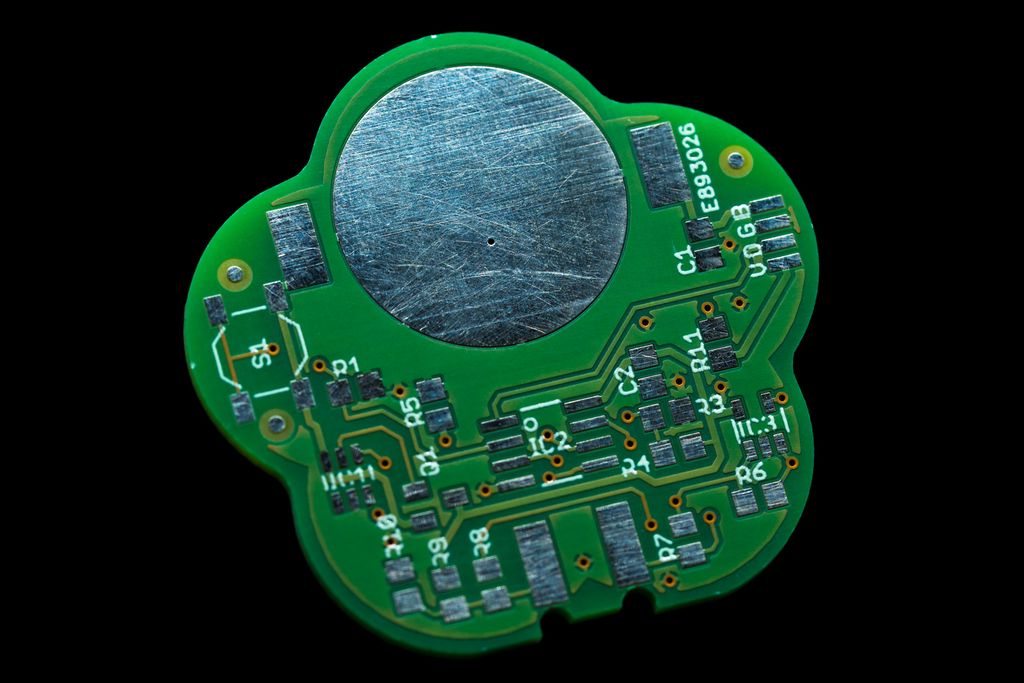
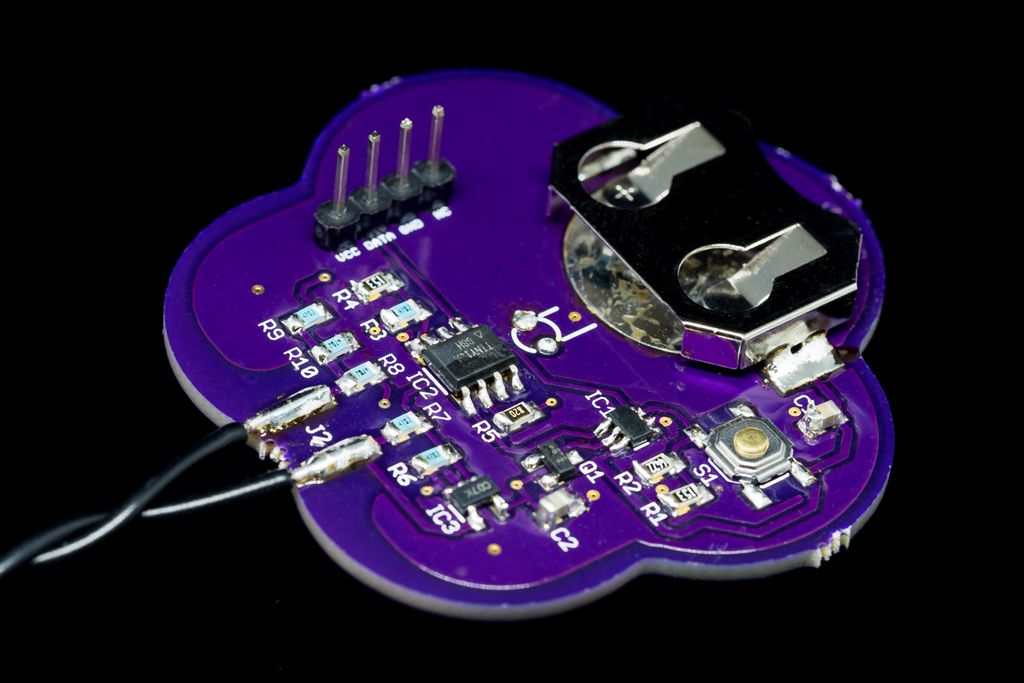
I describe making a small alpha batch of my low-cost plant-watering sensor: ordering parts, prepping and soldering wires, testing PCB assembly with stencils, and solving sealing with epoxy. If you’re interested in practical prototyping tips and lessons learned, please read the full post for photos and detailed steps.

Read this post

How to Design a Cheap Plant Watering Sensor (Part 5)

Posted on 2017-03-09— How and Why

I walk you through designing the final PCB for a low-cost plant watering sensor: choosing tools, shaping the board, iterative layouts, BOM decisions, assembly planning and unit-cost calculations. If you want practical steps and cost details, please read the full post to follow the next parts.

Read this post

How to Design a Cheap Plant Watering Sensor (Part 3)

Posted on 2017-03-03— How and Why

In part three I assemble and test the prototype PCB, set ATtiny13A fuses, and refine user interaction and firmware plans. I cover LED display choices, power measurements and a modular firmware approach. If you’re building a low-cost plant sensor, read the full post for practical steps and diagrams.

Read this post

How to Design a Cheap Plant Watering Sensor (Part 2)

Posted on 2017-02-14— How and Why

I take you through part two of my cheap plant-watering sensor project, testing a prototype: power draw, LED impact, oscillator and MCU startup timing, voltage-divider checks, firmware inputs, and PCB preparation. If you want to see the detailed measurements and next steps, I invite you to read the full post.

Read this post

How to Design a Cheap Plant Watering Sensor (Part 1)

Posted on 2017-02-08— How and Why

I walked through designing a cheap capacitive plant watering sensor, from goals and measurement options to component selection and early prototypes. I explain why I chose a CR2032‑powered op‑amp oscillator, ATtiny MCU and low‑power timer. If you’re curious, read the full post for details and test results.

Read this post

How to use the Scripts in the Cat Protector Project

Posted on 2015-11-24— How and Why, Projects

I explain how to use the Cat Protector project's scripts to prepare an SD card with audio samples. I walk you through installing SOX and Perl, converting WAVs with ConvertAudio.pl, building a disk image, and safely writing it with dd on Linux or macOS. Read the full guide for commands and tips.

Read this post