published: February 4, 2021 —
last modified: October 23, 2025
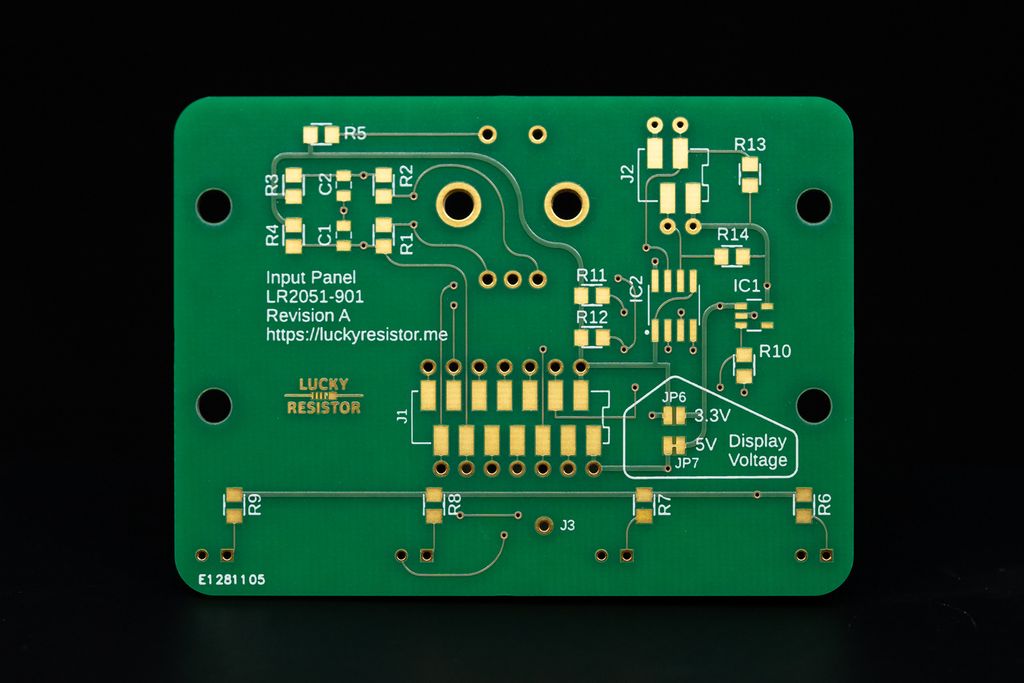
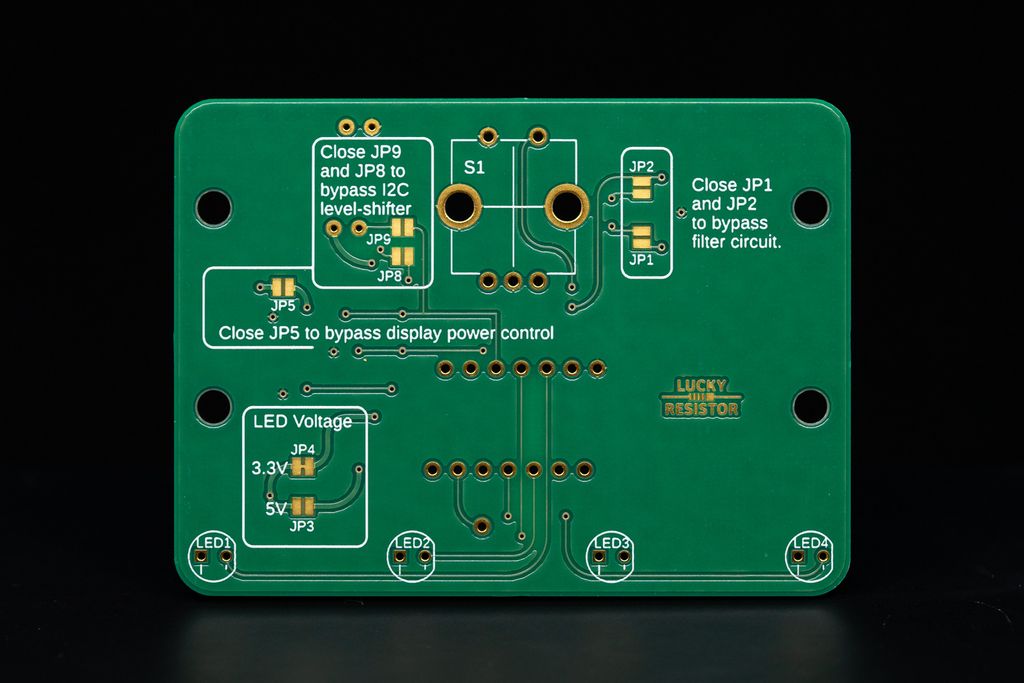
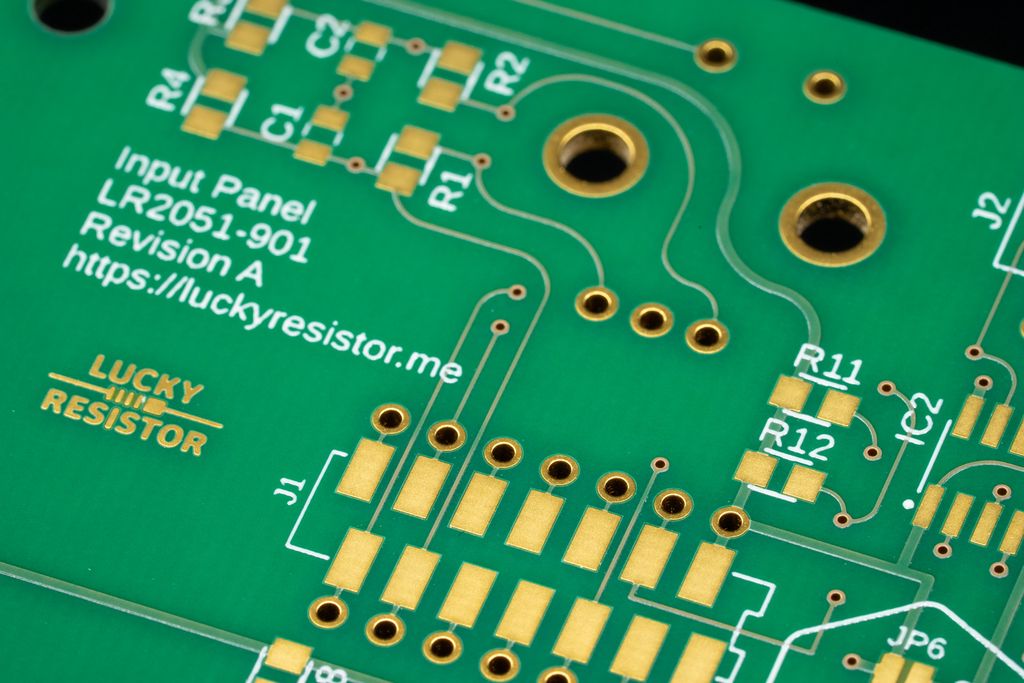
I got another flawless, perfectly produced PCB by Eurocircuits. This is Revision A of the input panel board I published in the last post. There are only minor changes in the silkscreen and a little bit larger rings around the holes for the LED.
Eurocircuits is not the cheapest board prototyping service, but in my opinion the most reliable with the most precise results I know. If I need the boards in perfect quality or really fast, its still my favourite service. 😄
I also ordered another Version of the board with some small modifications from OSHpark, but it will take some time until it arrives. My idea is to make the final board orderable from OSHpark for an affordable price. Especially for people which have no experience with prototyping services.
If you have any questions, missed information, or simply want to provide feedback, feel free to comment below or contact me on Twitter. 😄
I explain why I add small guide bridges to tricky gaps in my 3D prints and how they help PETG bridging. I show the settings I use and demonstrate results in my modular lantern model. Read the full post to see images and step-by-step tips to apply this to your designs.
I’ll walk you through my parametric, heavy wood-and-acrylic 3D-printer enclosure — from choosing boards and adjusting the Fusion 360 model to cutting parts, assembly, and 3D-printed hinges. If you want a stable, customizable enclosure for your printer, read the full tutorial for measurements, photos, and tips.
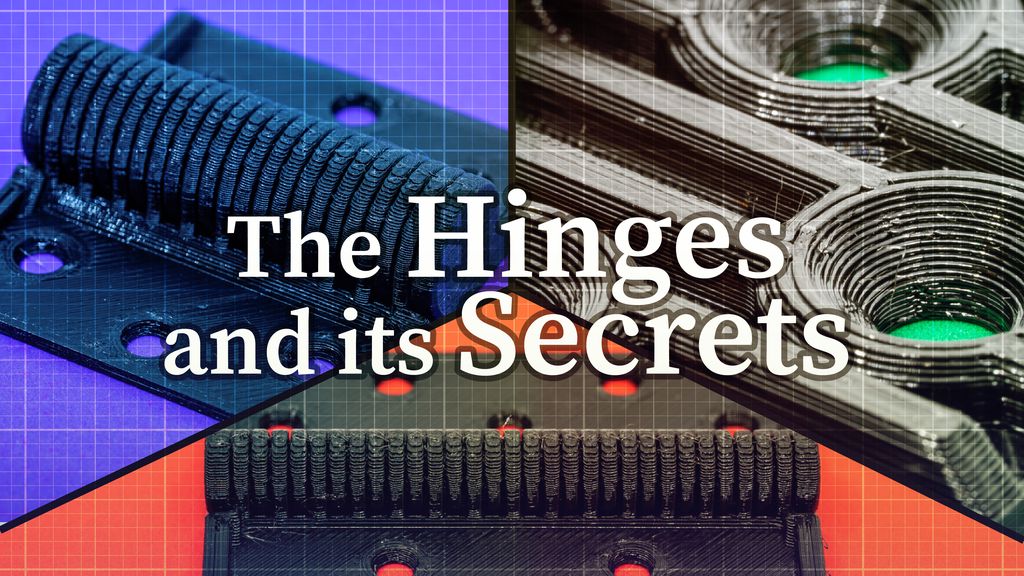
I'm not a 3D printing guru, but I built and tested three print-in-place hinges optimized for PETG/ASA and explain the small design choices that make them work reliably. I walk you through bridging, fin widths, overhangs, and conical holes — read the full post to learn how to print them well.
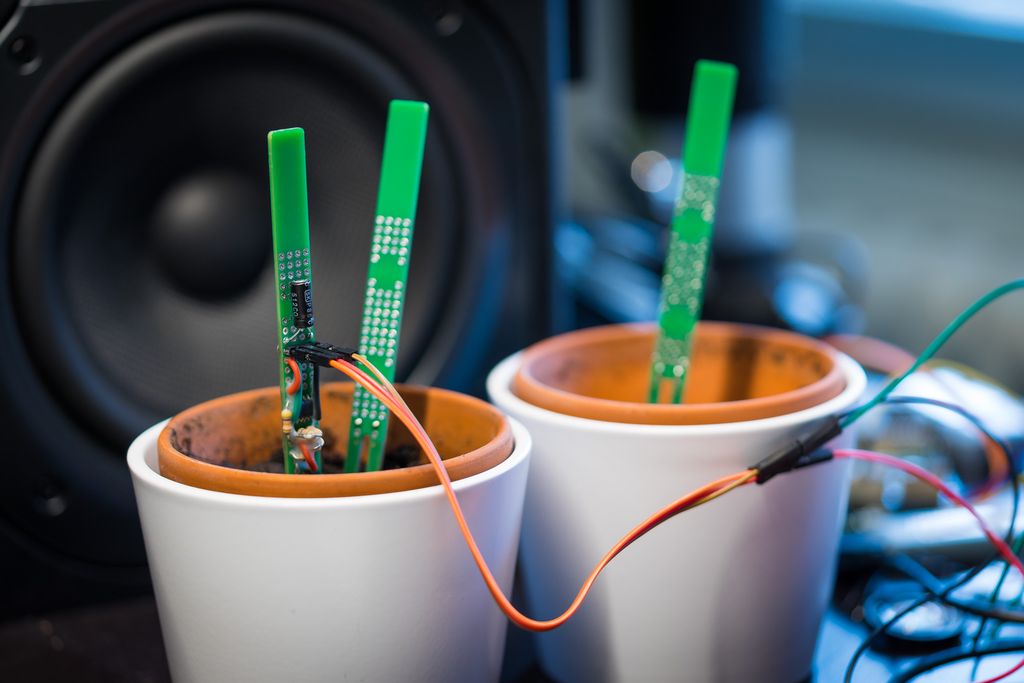
I walked through designing a cheap capacitive plant watering sensor, from goals and measurement options to component selection and early prototypes. I explain why I chose a CR2032‑powered op‑amp oscillator, ATtiny MCU and low‑power timer. If you’re curious, read the full post for details and test results.
I received 3mil polyimide stencils from OSH Stencils for my Swiss precision timer project. They feel flimsy compared to the steel stencils I usually use, but cost much less. I’ll test solder paste application and the first prototype in the coming weeks — please read the full post for results.
Posted on 2019-07-29— C++, Improve your Code, Learn
I explain C++11 enum class: why it prevents name conflicts, how it compares to traditional enums and common workarounds, with practical Arduino-friendly examples. If you want clearer, safer enum usage in your interfaces, read the full post for code samples and simple best-practice guidance.