published: December 20, 2020 —
last modified: October 23, 2025
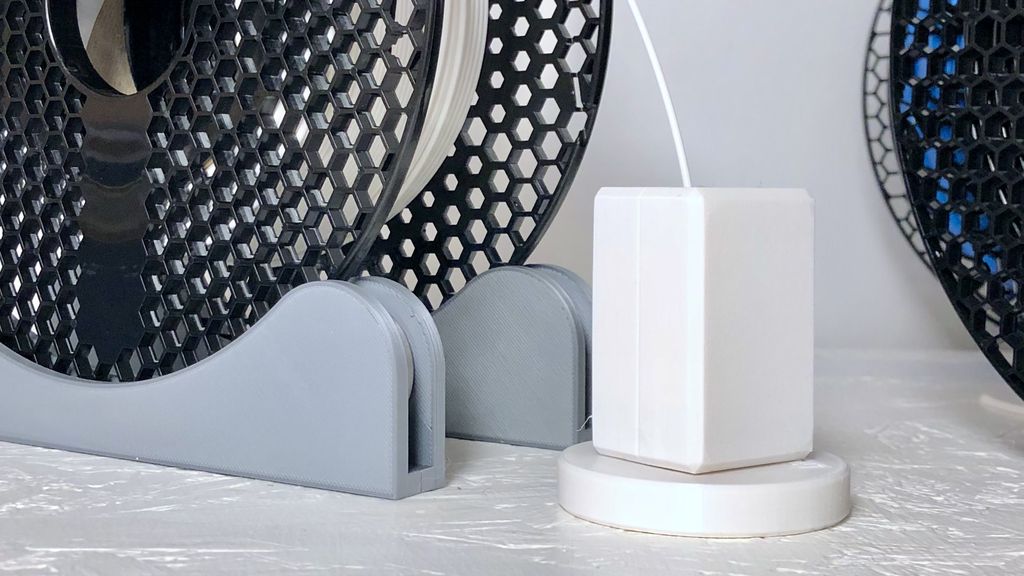
I had several times problems with a clogged nozzle, and recently found particles on new filament spools, which could have to be the reason for it. So I checked different filter solutions, but found no one fitting perfectly into my setup.
Table of Contents
My Design Goals
Easy to attach and remove after each spool change.
On top of the enclosure.
Minimal additional pressure on the filament.
Working with the existing 16mm feed-through hole.
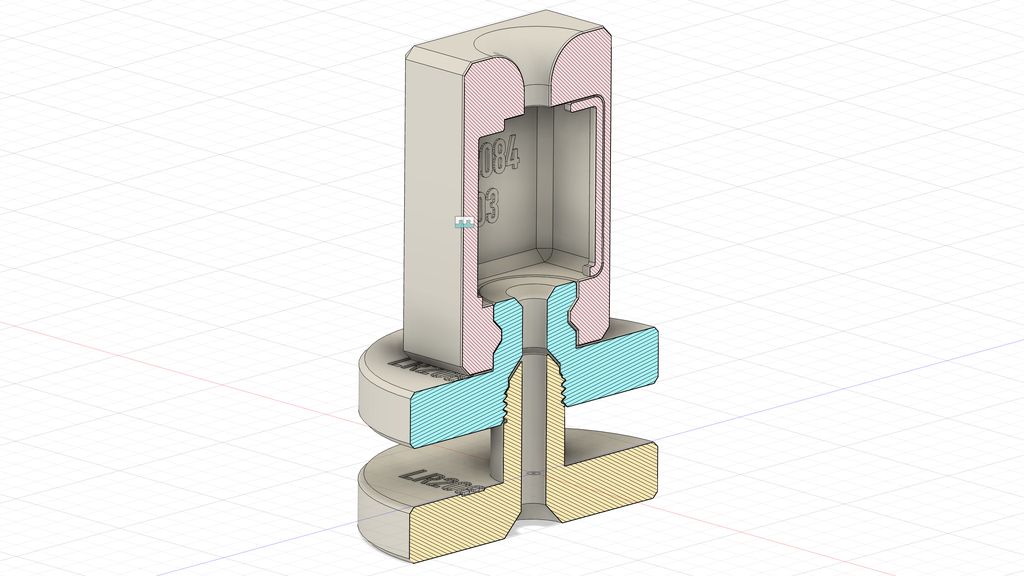
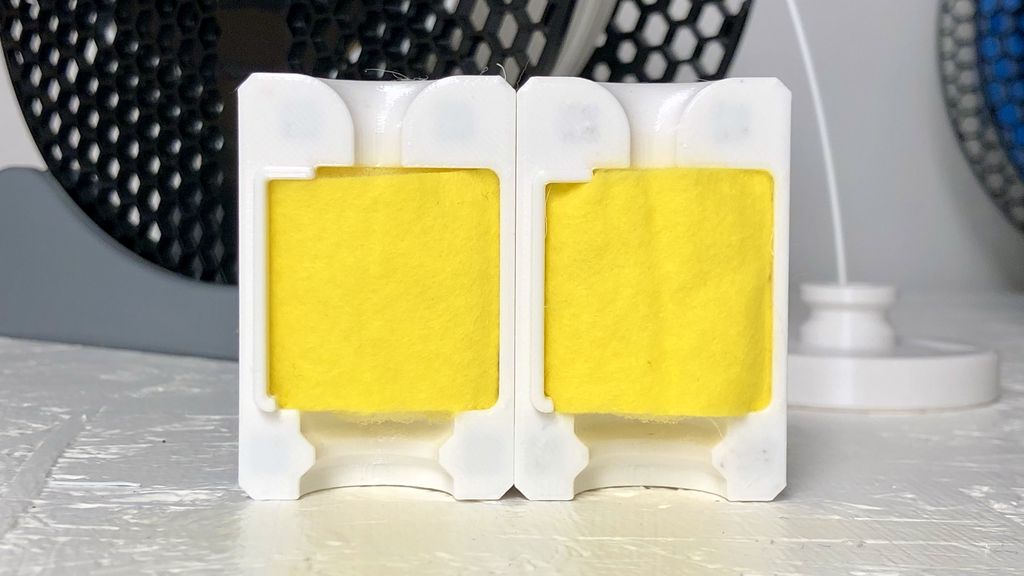
To reach these goals, I combined the filament feed-through with the filter. It provides a solid attachment point on the top of the enclosure. Around this point, I designed the two halves of the filter itself, which uses four strong neodymium magnets to firmly hold in place.
The magnets are printed into the filter shells, a technique I already used for several projects.
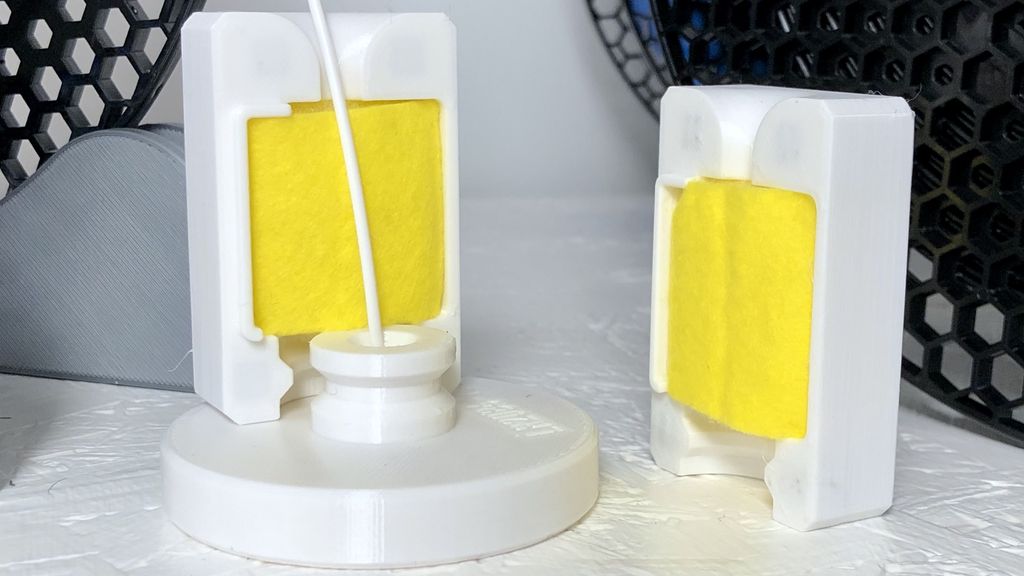
Inside of the Filter
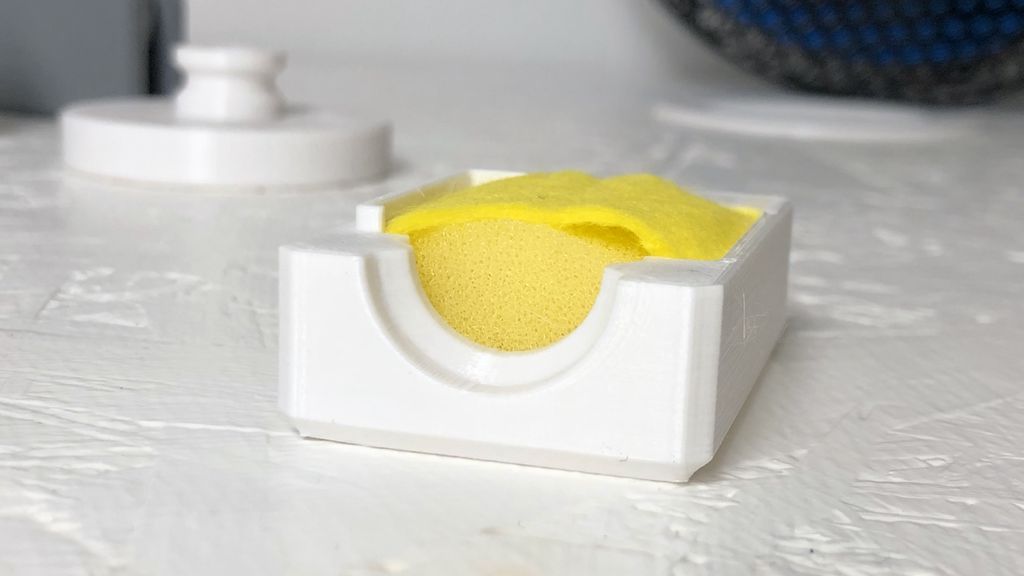
Each side of the filter contains a sponge, which is covered with a microfibre cloth.
The sponge provides the required pressure, but the microfibre cloth is actually in contact with the filament. There is almost no friction, but even smallest particles and dust get caught in the cloth.
If not used, the two shells also hold together at the sides.
Download the Files
You can download the model files and the Fusion360 design here:
The ZIP archive contains STL files, which are made for a 16mm hole in a 10mm thick enclosure. If you have different dimensions, use the Fusion360 design to adapt everything to your needs.
All parts are best printed using PETG with a layer height of 0.15mm. The feed-through parts (101 and 102) are obviously printed with the disc on the print bed.
The filter shells (2 × 10³) are printed with the flat side to the print bed. You need to insert a pause command, just before the holes for the magnets are covered.
Best, you make a test print to check the correct hole sizes for your magnets. They need to be inserted with some friction, otherwise, they will snap out of the holes if the print head moves over them!
Conclusion
If none of the existing filament filters worked for you, please give this design a try. Using the magnets, it will snap on and off with ease and it has no noticeable friction on the filament.
If you have any questions, missed information, or simply want to provide feedback, feel free to comment below or contact me on Twitter. 😄
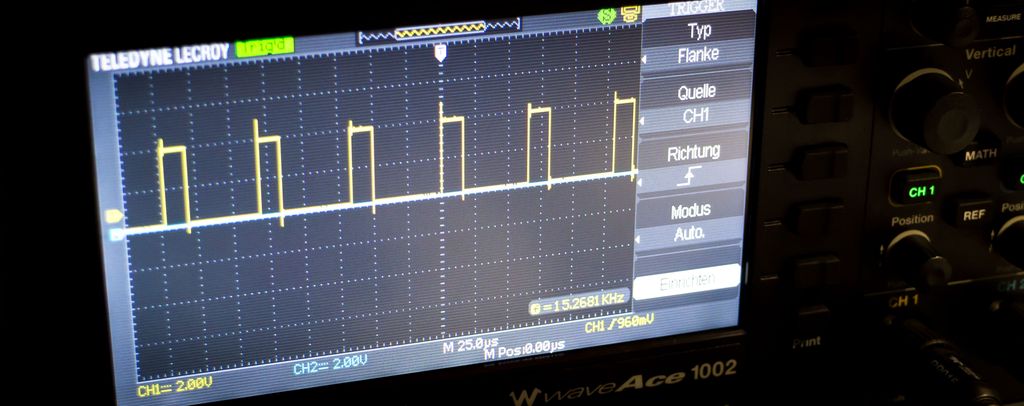
I often use a simple oscilloscope trick to debug time-critical code: toggle an I/O line before and after critical sections and observe interrupt timing and execution width. It’s low-effort and revealing — read on for practical steps, examples, and tips to measure and reason about your timing issues.
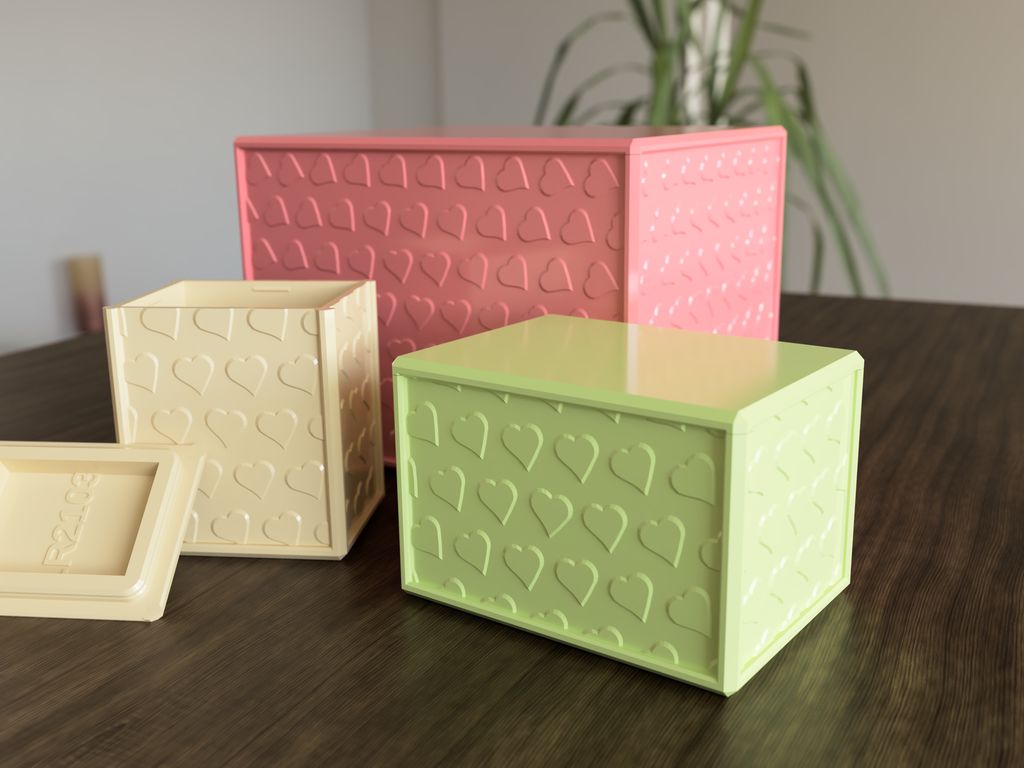
I tried parametric design and published a set of heart-decorated 3D-print boxes in 500 sizes (35–120 mm). I explain part numbering, two lid fits, and printing tips, and I've shared the STLs on GitHub. Read the full post to find the exact size and download files for your printer.
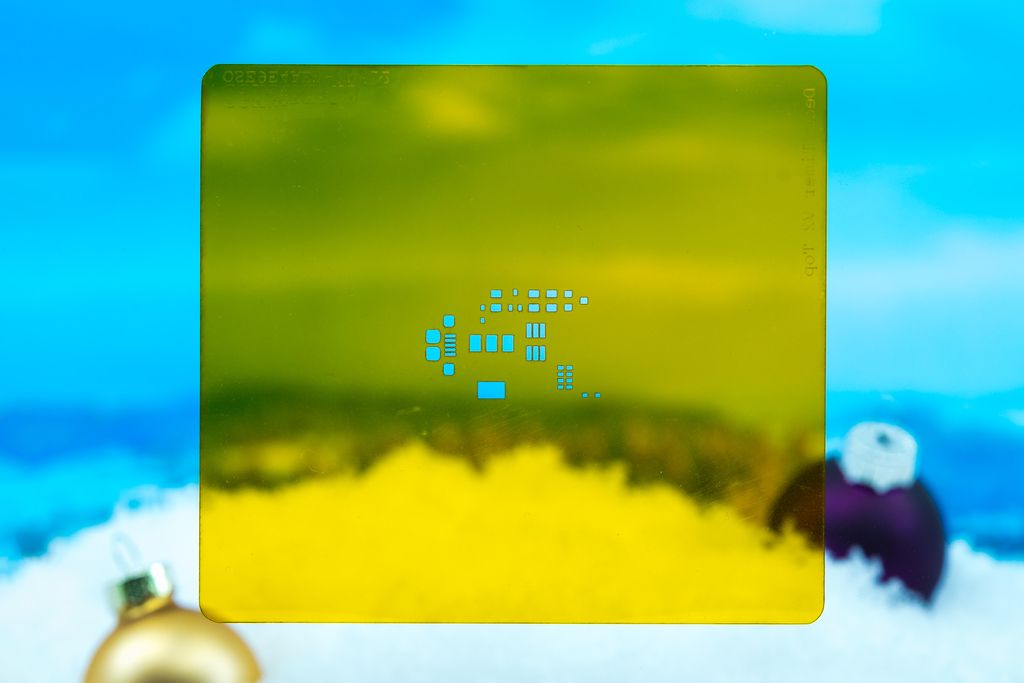
I received 3mil polyimide stencils from OSH Stencils for my Swiss precision timer project. They feel flimsy compared to the steel stencils I usually use, but cost much less. I’ll test solder paste application and the first prototype in the coming weeks — please read the full post for results.
I built a small test board for the TPS61092 to evaluate thermal performance, hand‑solderability, and layout before using it in my project. The chip stayed cool under 0.5A and the OSH Park PCB looked great. Read on for measurements, the BOM, and practical soldering tips if you want to try it.
I added a stable Hitachi LCD driver to the HAL layer, using an MCP23008 backend to cut wiring and simplify hardware. This post walks through parts, firmware repositories, and how to run the demo via serial shell. Read the full article for setup steps, code links, and usage tips.
I experimented with embedding whole PCBs, batteries and coils inside 3D prints to seal electronics invisibly in PETG parts. I explain pausing prints to insert components, then resuming, and share pros, cons and practical tips. Read the full post if you'd like step-by-step ideas and precautions.