published: December 8, 2020 —
last modified: October 23, 2025
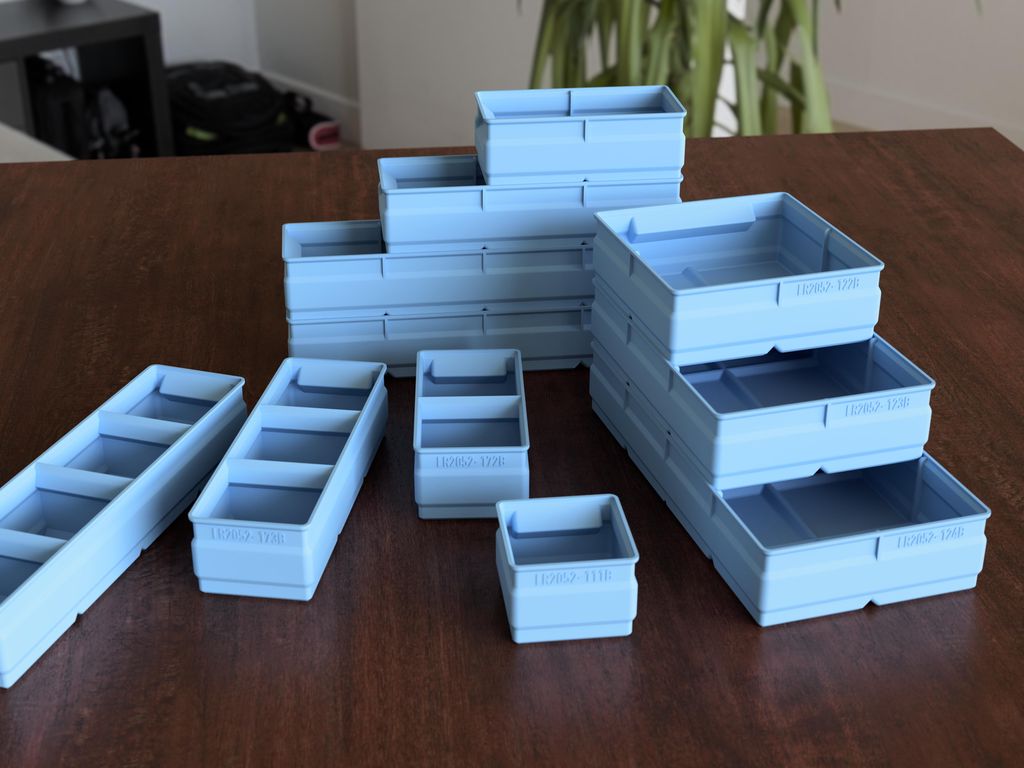
The regular storage boxes set got an update today. All existing boxes are now available in a new revision with an improved corner design and there are four new boxes in the set. The title image shows all current boxes of this set.
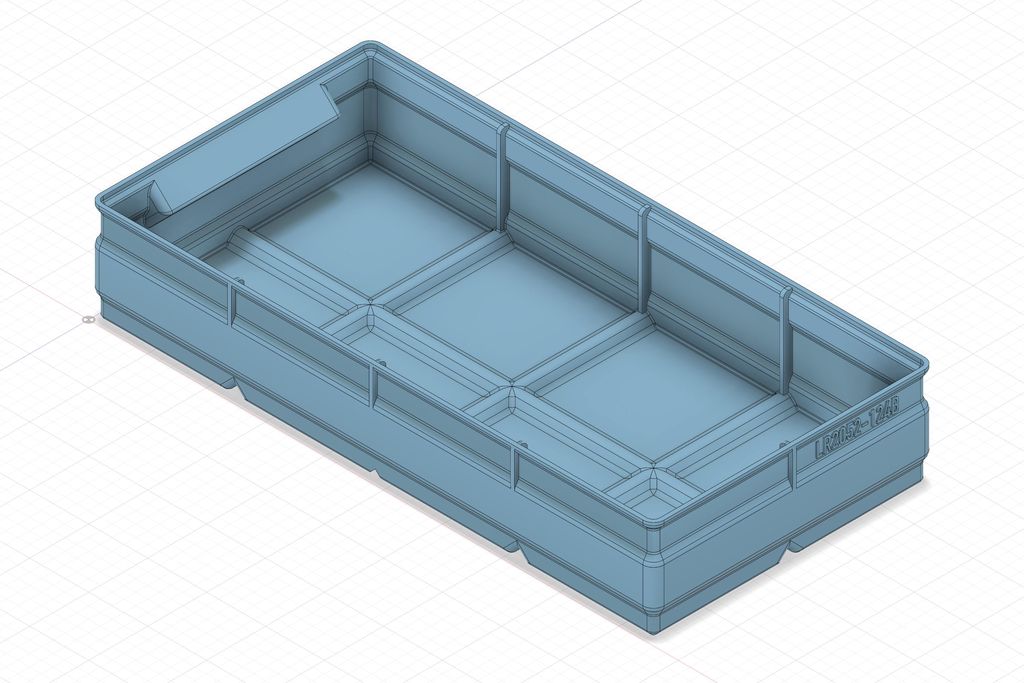
The new 2×4 sized box is a simple addition to complete the different sizes.
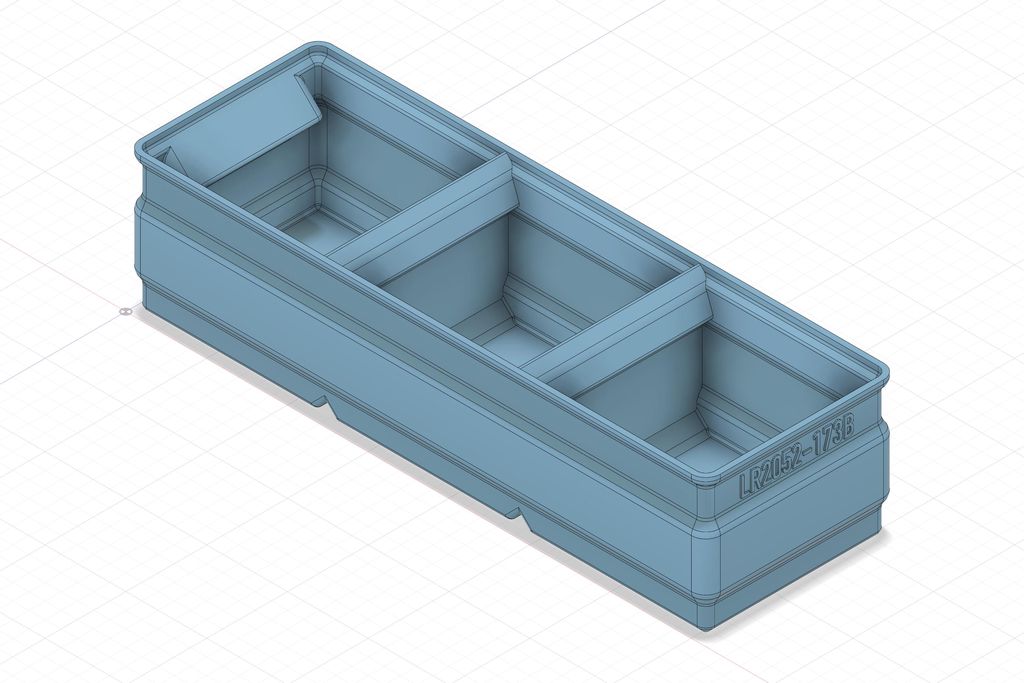
Also, I added three regular boxes with additional walls in the box. If you have parts which belong together, this is a nice solution.
Each wall has a special shaped top side, where you can put a 12mm label.
As with any other boxes, the design is highly optimised for 3d print. I recommend a nozzle size of 0.4mm or 0.6mm with a layer height of 0.2mm or 0.35mm for the 0.6mm nozzle.
You will find all details and a free set of boxes on the project page. There is also a catalog with a visual overview of all boxes and sets.
If you have any questions, missed information, or simply want to provide feedback, feel free to comment below. You can also contact me on this website or on Twitter. 😄
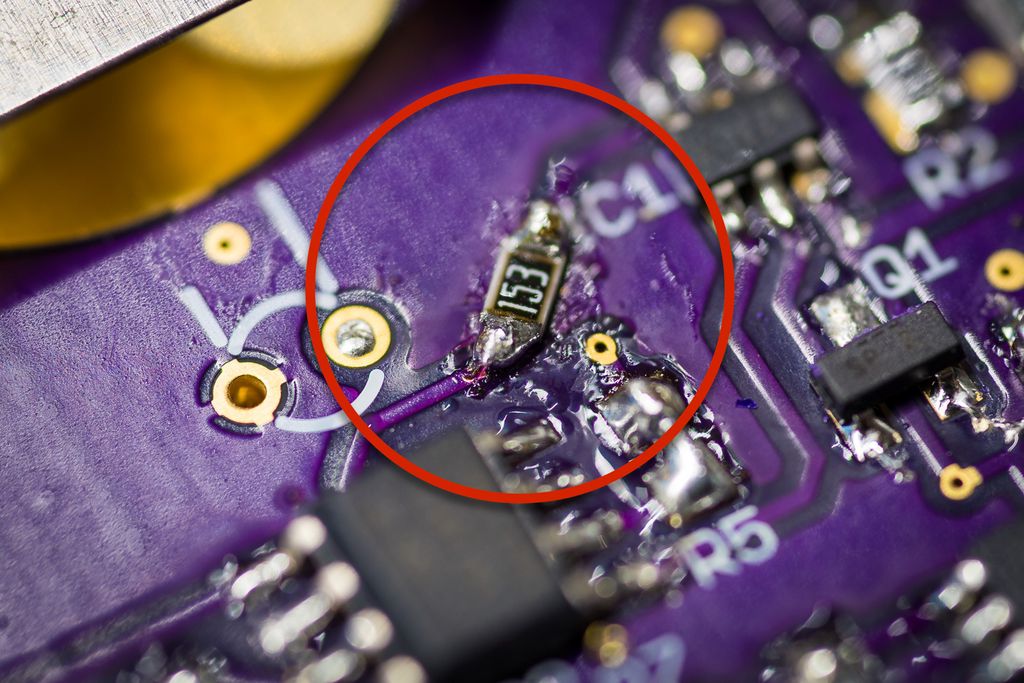
I describe making a small alpha batch of my low-cost plant-watering sensor: ordering parts, prepping and soldering wires, testing PCB assembly with stencils, and solving sealing with epoxy. If you’re interested in practical prototyping tips and lessons learned, please read the full post for photos and detailed steps.
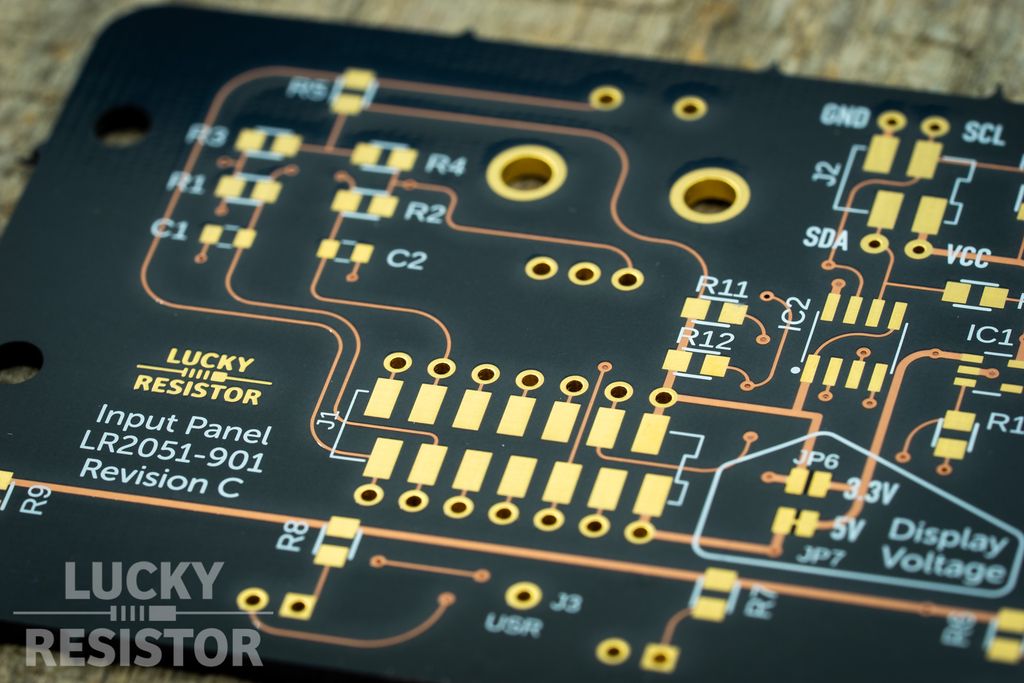
I ordered 'After Dark' PCBs from OSHpark for my pet-feeding device and wanted to share clearer, high-resolution photos so you can appreciate the black substrate with copper and transparent solder mask. If you’re curious about the look or details, please read the full post and leave questions or feedback.
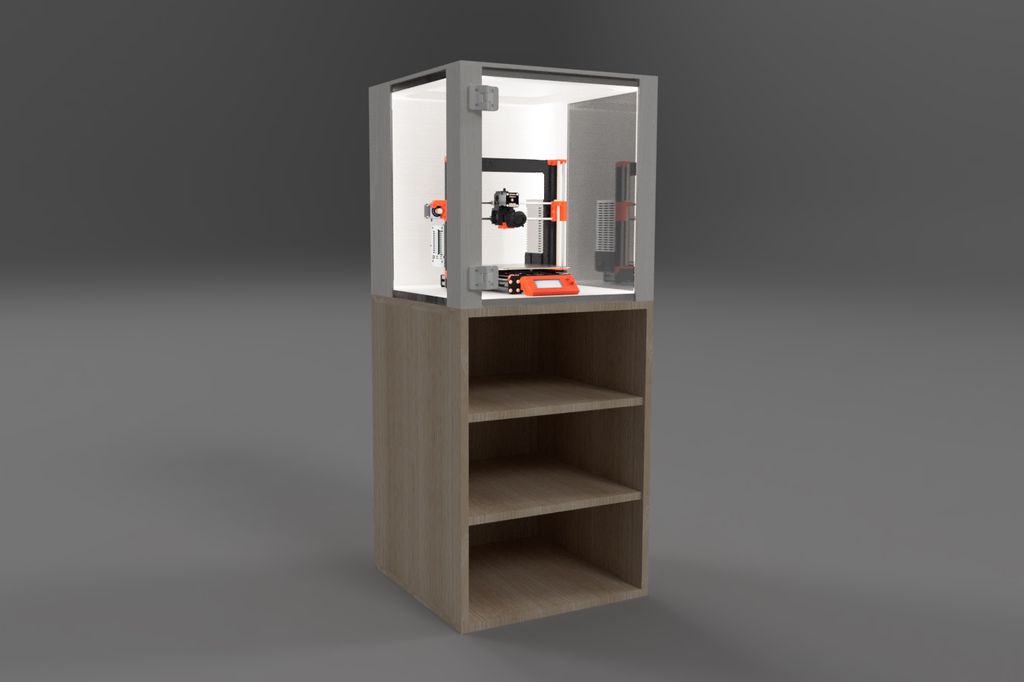
I’ll walk you through my parametric, heavy wood-and-acrylic 3D-printer enclosure — from choosing boards and adjusting the Fusion 360 model to cutting parts, assembly, and 3D-printed hinges. If you want a stable, customizable enclosure for your printer, read the full tutorial for measurements, photos, and tips.
I walk through creating custom wiring for the snowflake decoration, covering layouts, cable choices, current and voltage-drop math, and a simple power supply board for Pimoroni kits. If you want practical tips and diagrams to wire your own design, please read the full guide.
I walk you through using the RP2040's PIO to measure a PC fan's RPM with a small software filter to ignore short spikes and timeouts. I explain the PIO routine and a simple RpmInput wrapper in MicroPython—read on if you'd like the code and practical setup tips.
I guide you through writing a near-final firmware for my cheap plant watering sensor, describing module structure, incremental development, and practical tests. I cover ADC sampling, oscillator checks, EEPROM settings and a prototype fix for the push-button. If you’re building a similar device, I invite you to read the full post.