published: December 7, 2020 —
last modified: October 23, 2025
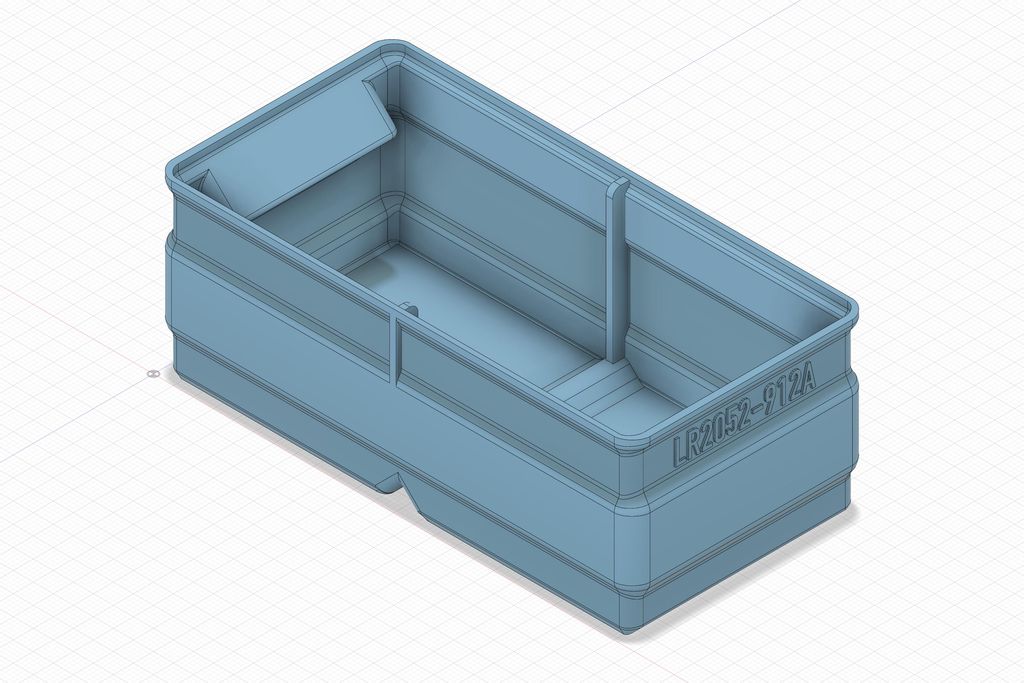
I created a version of my storage box for 45º belt printing. It would be ideal for mass production. Because I do not own a belt printer, this design is a wild guess. If you own one, I invite you to test this design.
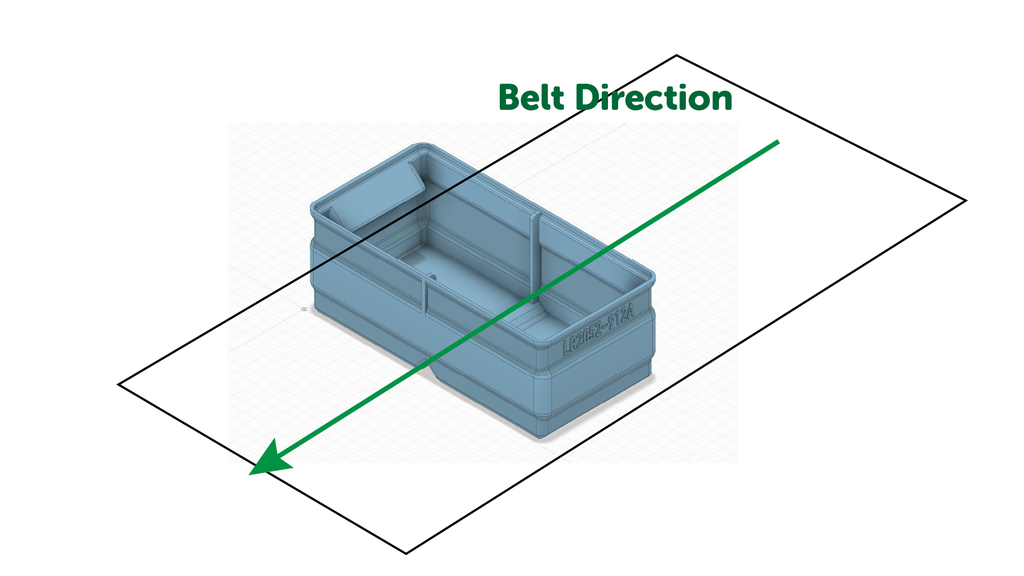
The box has to be printed sideways, the shorter side in belt direction.
The walls of the box are optimised for a layer height (belt direction) of 0.2mm and a 0.4mm nozzle, which will create walls with four lines. It should also work with a 0.6mm nozzle, where it created 3 lines for the walls.
I tried mixing epoxy in a plastic cup and caused a small meltdown — a useful reminder about heat, cure times, and containment. I share what went wrong, safety and cleanup tips, and practical fixes to help you avoid the same mistakes. Read the full post for step-by-step guidance.
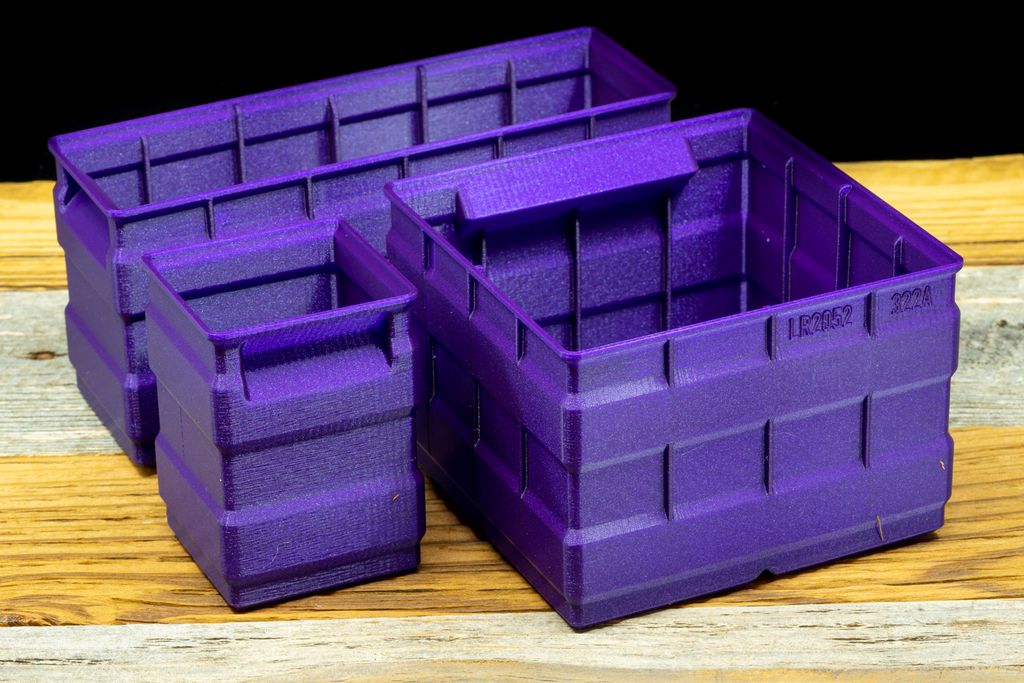
I've finished testing a new set of tall storage boxes designed for 3D printing. They're stackable with my flat and regular boxes, with reinforced walls and improved corners for cleaner prints. Download the free sample set or read the project page and catalog for full designs.
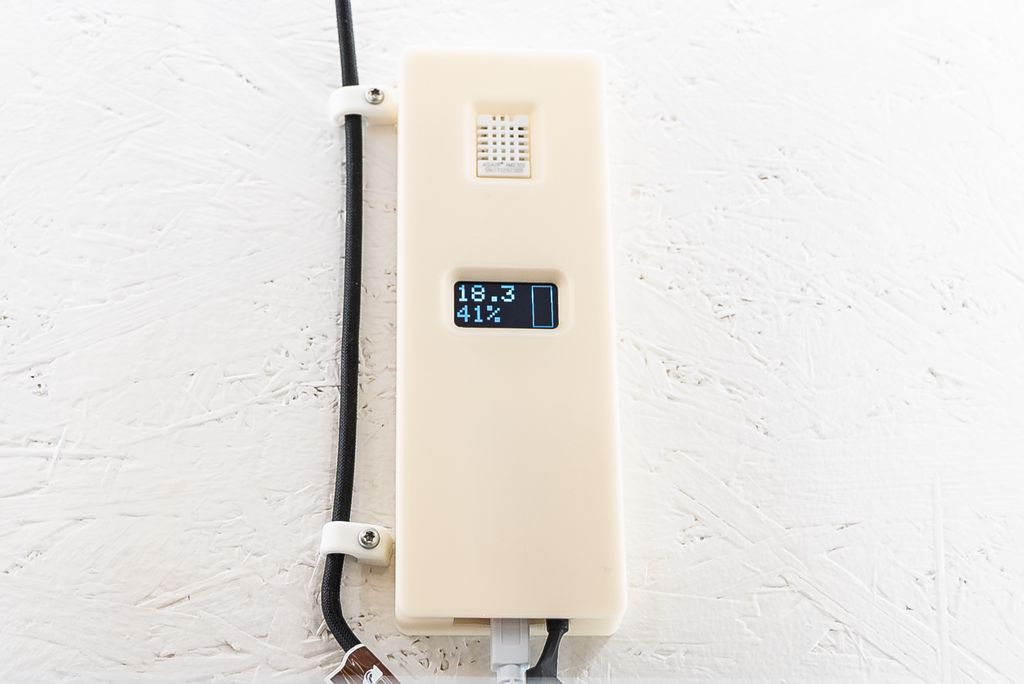
I built a PID-controlled fan and temperature controller for my printer enclosure in about four hours using an Adafruit Feather, DHT22, OLED, MOSFET, and a PWM fan. I walk through printing the case, wiring, firmware setup, and assembly—read on if you'd like to build one yourself.
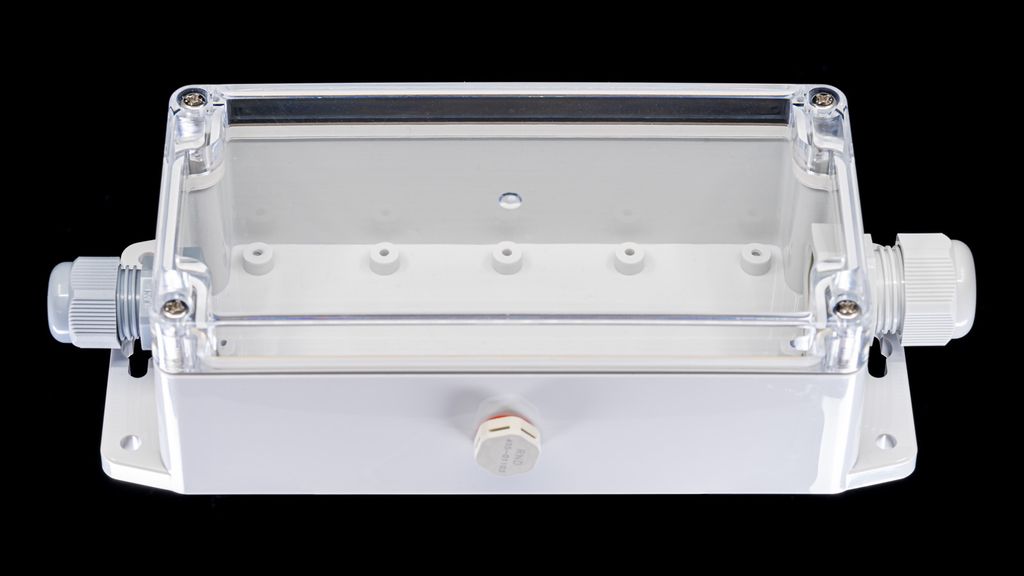
I share why I’ve grown to trust Distrelec’s RND enclosures for hobby and professional projects — sturdy IP65 cases, clear lids, pressure plugs, and 3D models, all at low cost and fast delivery. If you’re choosing a case, read the full post for sizes, examples and tips.
Posted on 2019-07-20— C++, Improve your Code, Learn
I walk through C++ templates for embedded projects, showing how function templates work, why they’re type-safe, and how they can keep firmware small and fast. Using Arduino examples like circularShift, reverseBits and a template-based Sender, I invite you to read the full post to learn practical tips and patterns.
I just received the Adafruit PCB coaster and was pleasantly surprised—photos don't do it justice. Made from 2.4mm FR4 with a transparent solder mask and black silkscreen, it blends cold and copper tones nicely. Read on for my quick impressions and close-up photos.