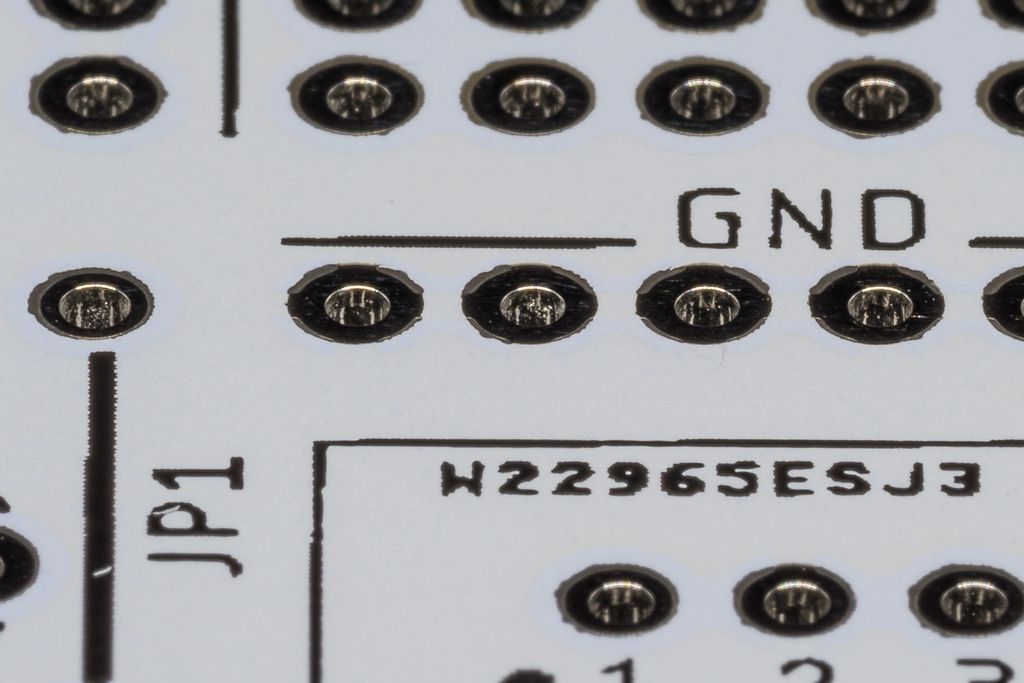

White Boards from PCBWay

published: October 14, 2017 — last modified: October 23, 2025

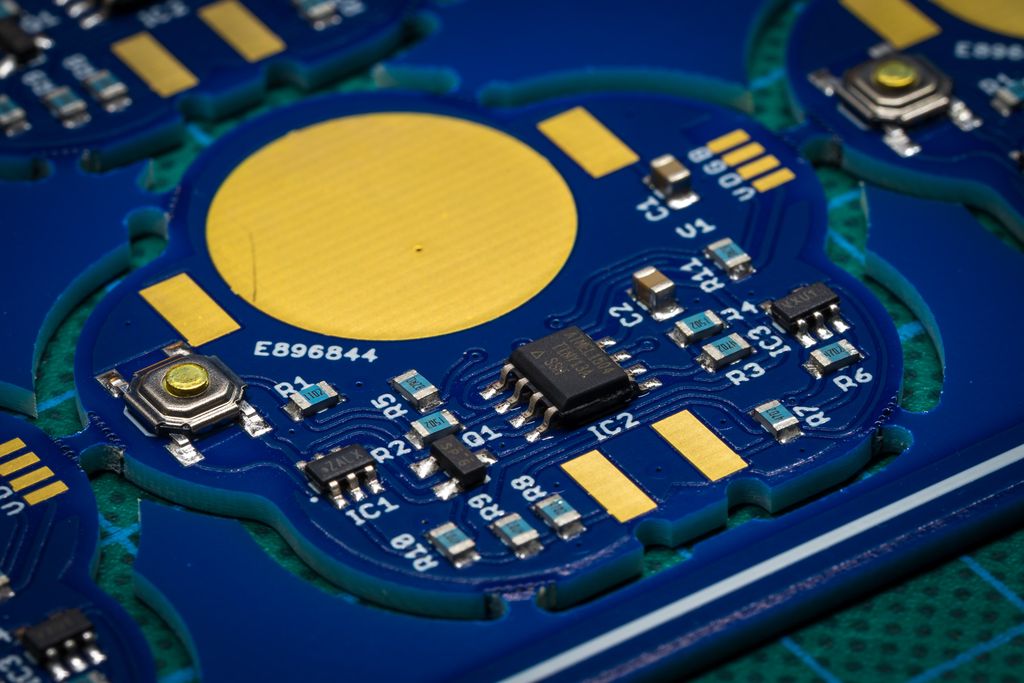
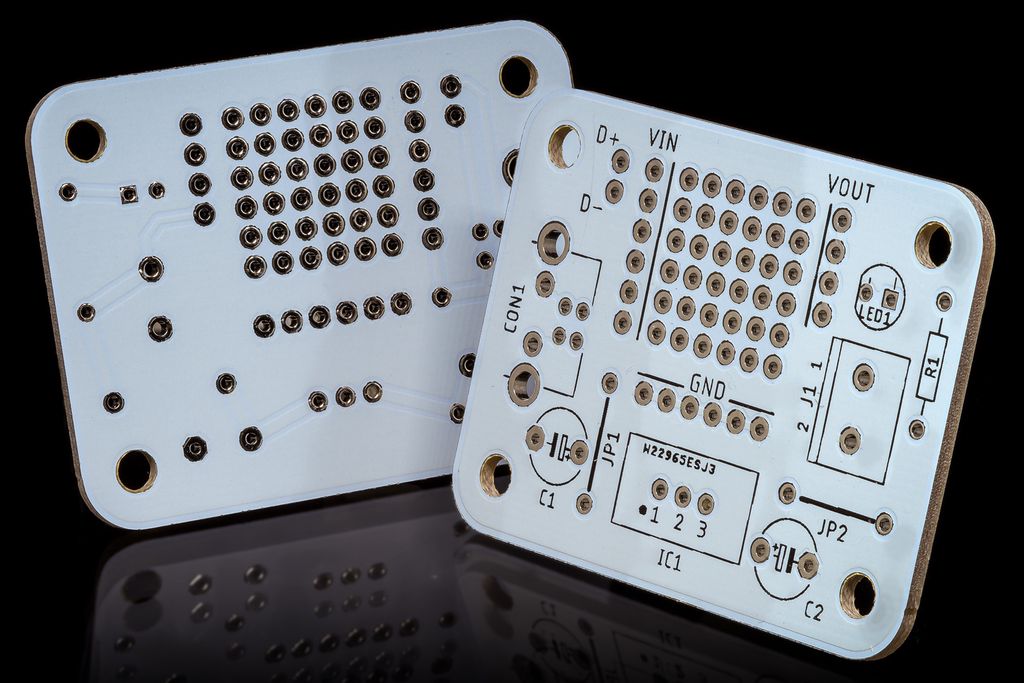
Recently, the boards for a small power converter arrived from PCBWay. This board house provides a fast and reliable service. In the following image you can get a own impression of the produced boards:

lucky-resistor-2

I especially like the wide range of solder mask colours you can choose from. They have green, red, yellow, blue, white, black, purple, matte black and matte green. Unlike some other manufacturers, the first six colours are produced at the same cost.

For me personally, it is a good choice for rough prototypes, where cost is the main factor. You get a fast and reliable service with a functional result.

lucky-resistor-1

More Posts

Stencils from OSH Stencils Arrived

Posted on 2019-12-23— Projects

I received 3mil polyimide stencils from OSH Stencils for my Swiss precision timer project. They feel flimsy compared to the steel stencils I usually use, but cost much less. I’ll test solder paste application and the first prototype in the coming weeks — please read the full post for results.

Read this post

Better Bridging with Slicer Guides

Posted on 2023-02-04— 3D Printing, Learn

I explain why I add small guide bridges to tricky gaps in my 3D prints and how they help PETG bridging. I show the settings I use and demonstrate results in my modular lantern model. Read the full post to see images and step-by-step tips to apply this to your designs.

Read this post

Consistent Error Handling

Posted on 2019-08-01— C++, Improve your Code, Learn

I walk through practical techniques I use to make firmware error handling clearer and more consistent in modern C++. From enum classes and a shared SimpleStatus to StatusResult templates and helpers like isSuccessful, I present readable patterns and code examples you can adopt. Read the full post for details and examples.

Read this post

How to Create a Large 3D Printed Artwork

Posted on 2021-12-30— 3D Printing, Build, How and Why, Learn, Projects

I built a 100×80cm 3D‑printed artwork and walk through the technical steps I used: preparing mathematical height data, generating Z‑maps, slicing into printable tiles with Blender and PrusaSlicer, and assembling and painting the final piece. If you're curious about the scripts and workflow, read the full tutorial.

Read this post

How to Design a Cheap Plant Watering Sensor (Part 6)

Posted on 2017-04-29— Projects

I describe making a small alpha batch of my low-cost plant-watering sensor: ordering parts, prepping and soldering wires, testing PCB assembly with stencils, and solving sealing with epoxy. If you’re interested in practical prototyping tips and lessons learned, please read the full post for photos and detailed steps.

Read this post

Real Time Counter and Integer Overflow

Posted on 2019-07-10— C++, Improve your Code, Learn

I walk you through how real-time counters work, why integer overflow is usually harmless when you treat time as relative, and practical, Arduino-ready comparisons and code examples to avoid timing mistakes. If you want concrete patterns and simple tests, read the full post.

Read this post