Plant Watering Sensor Files

published: August 23, 2017 — last modified: October 23, 2025

There was a long delay with no update about my projects. The reason for this is, I focused on other non electronic related projects. I promised to publish all files and information about the plant watering sensor project in August, and here are all the files.

First some Important Notes

Even with these files, it is a very advanced project to do. To produce the PCB, you need a board house which is used to precise and high quality PCBs, like Eurocircuits. Also all pads are prepared to reflow soldering, and not hand soldering. It may be possible to solder the resistors in place using a regular solder iron, but it will be hard to do.

Programming the very small MCU is another difficult task. You will need the correct development environment Atmel Studio from Microchip to do so. You also need a programmer, like the Atmel-ICE and a special socket where you can temporarily connect and power the chip for programming. Because of the design and default configuration of the chip, you have to pre-program the chip and activate the wireDEBUG protocol.

At last, the foot part needs to have an environmental sealing. Otherwise, the regular solder mask of the boards will quickly wear off, and the copper of the traces may kill your plants.

**You have to be experienced in producing microcontroller based hardware designs using SMD components and a reflow process. You also need to be skilled with programming tools and devices. **

License

The documentation of the hardware is licensed under the CERN OHL v1.2 or later. You can find all details about the license here. The GIT repository contains a copy of the license.

Files

All files are in this GIT repository:

https://github.com/LuckyResistor/PlantWateringSensor

I will add more details later, but these are the raw files with all information you need to produce your own sensor.

If you have questions, miss some information or just have any feedback, feel free to add a comment below.

Have fun!

More Posts

Decorative, Massive, Modular Box

Posted on 2021-02-27— 3D Printing, Projects

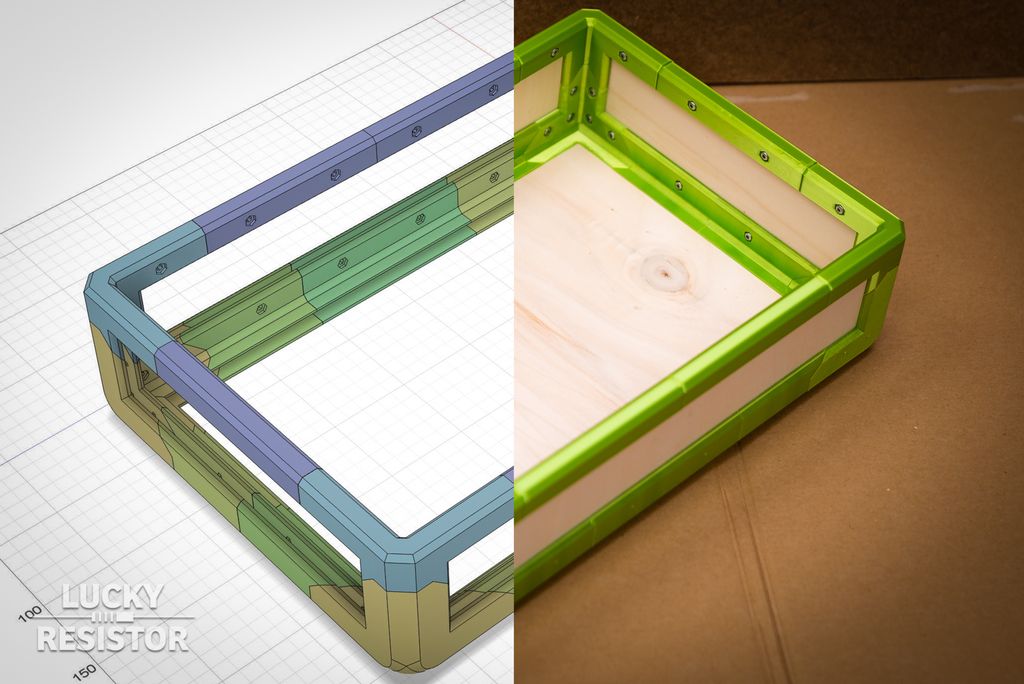
I designed a decorative, sturdy modular box built from 3D-printed parts, 5mm plywood and wood screws. The post guides you through cutting, printing, assembly and a simple part calculator to scale sizes in 60mm steps. If you enjoy hands-on projects, read the full tutorial to build and customize one.

Read this post

Programming the Snowflake Decoration

Posted on 2019-11-30— Projects

I walk you through flashing custom firmware to your Pimoroni snowflake decoration using an SWD J-Link and Atmel Studio. I cover hardware, wiring, software setup, and step-by-step build and flash instructions so you can safely program your boards. Read the full guide for tips and troubleshooting.

Read this post

How to Create a Prototype Connector from a Pin Header

Posted on 2021-02-10— 3D Printing, Build

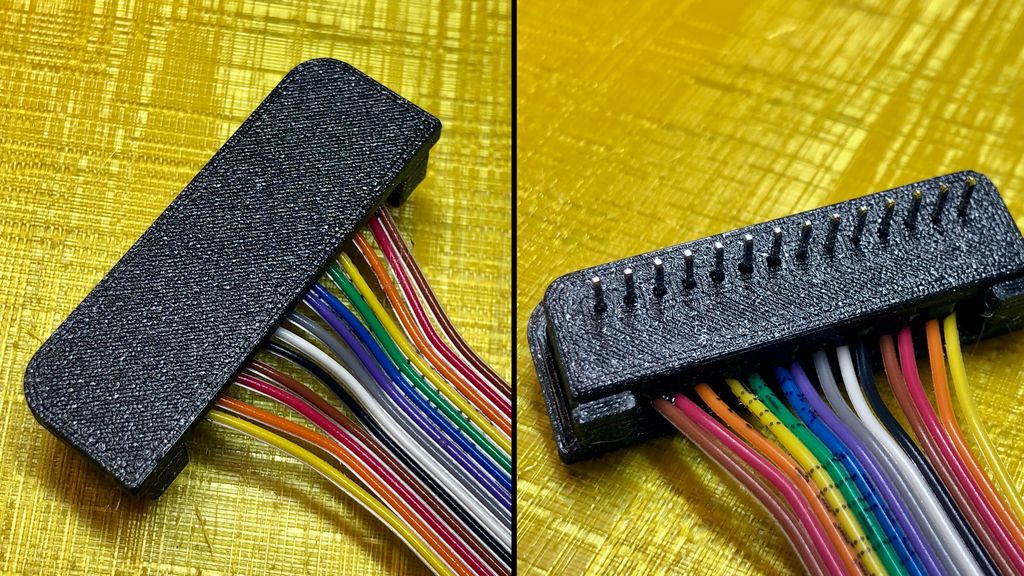
I needed a robust way to reuse a 14-pin header on different breadboards, so I designed a simple two-part 3D-printed enclosure, soldered a ribbon cable, and set the header in epoxy. Read on for my quick step-by-step guide and the downloadable design files if you'd like to try it.

Read this post

Snowflake Configuration

Posted on 2019-11-22— Projects

I walk you through the Snowflake v1.2 firmware's button-based configuration: short vs long presses, auto and single modes, LED indicators, and pattern durations. I explain the six-second timeout and that settings aren't saved after power loss—please read the full post for step-by-step usage and tips.

Read this post

Snowflake Power Converter

Posted on 2018-01-11— Projects

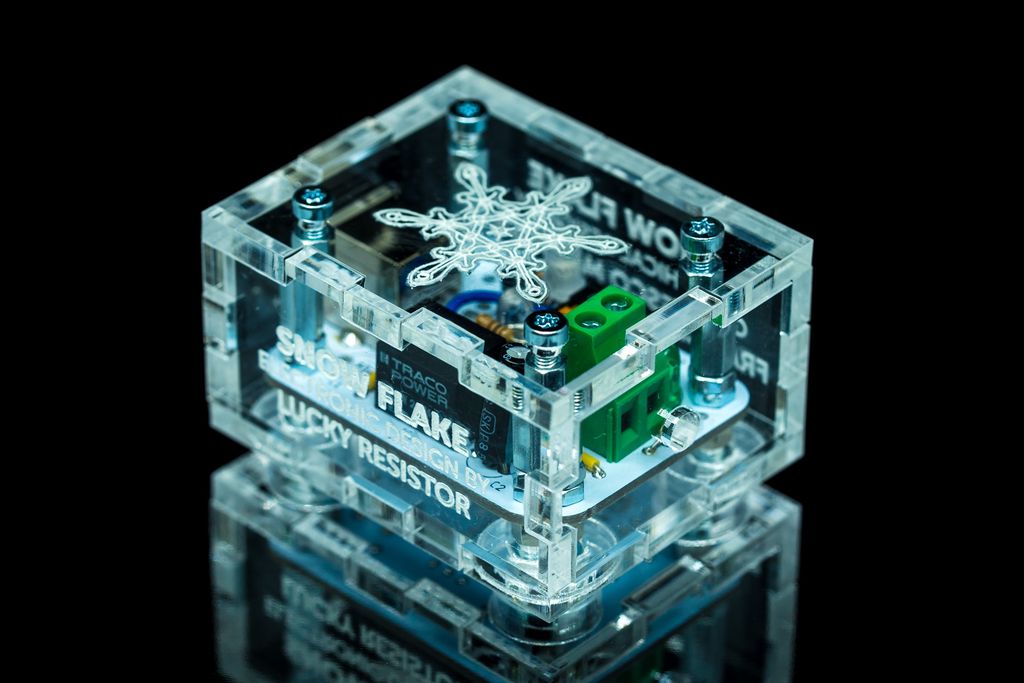
I built a simple USB-to-3.3V power converter for my snowflake decoration using a Traco TSR2-2433 and a laser-cut acrylic case with glow-in-the-dark engravings. I'll walk through the board, Fusion360/Eagle workflow, laser cutting and painting - read on if you want the files and build notes.

Read this post

How to Wire the Snowflake Decoration

Posted on 2019-11-23— Projects

I walk through creating custom wiring for the snowflake decoration, covering layouts, cable choices, current and voltage-drop math, and a simple power supply board for Pimoroni kits. If you want practical tips and diagrams to wire your own design, please read the full guide.

Read this post