published: April 12, 2017 —
last modified: October 23, 2025
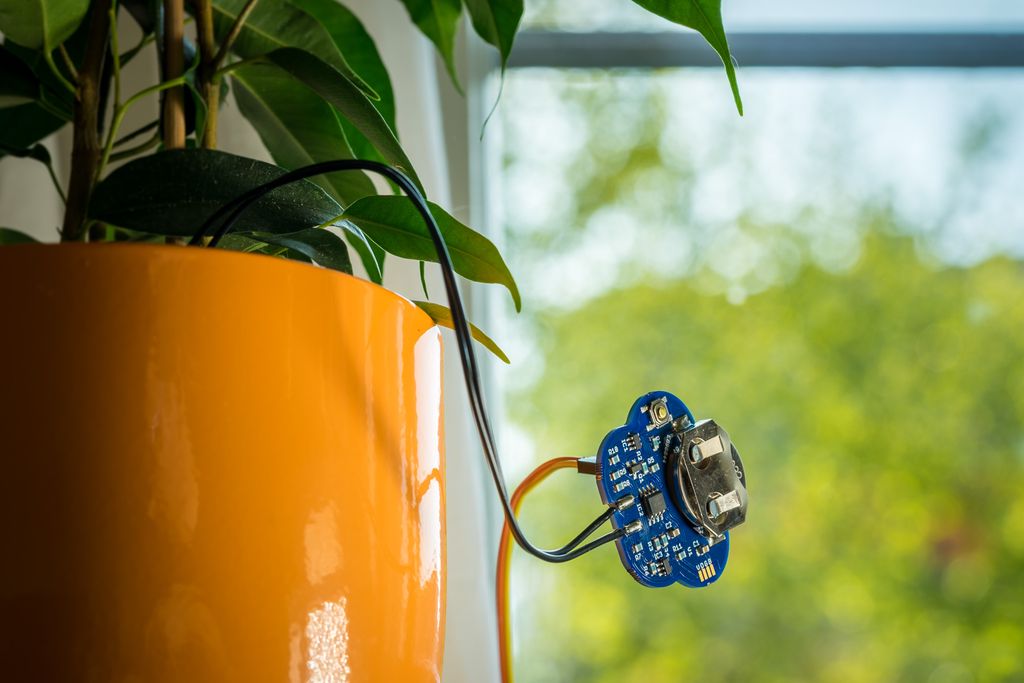
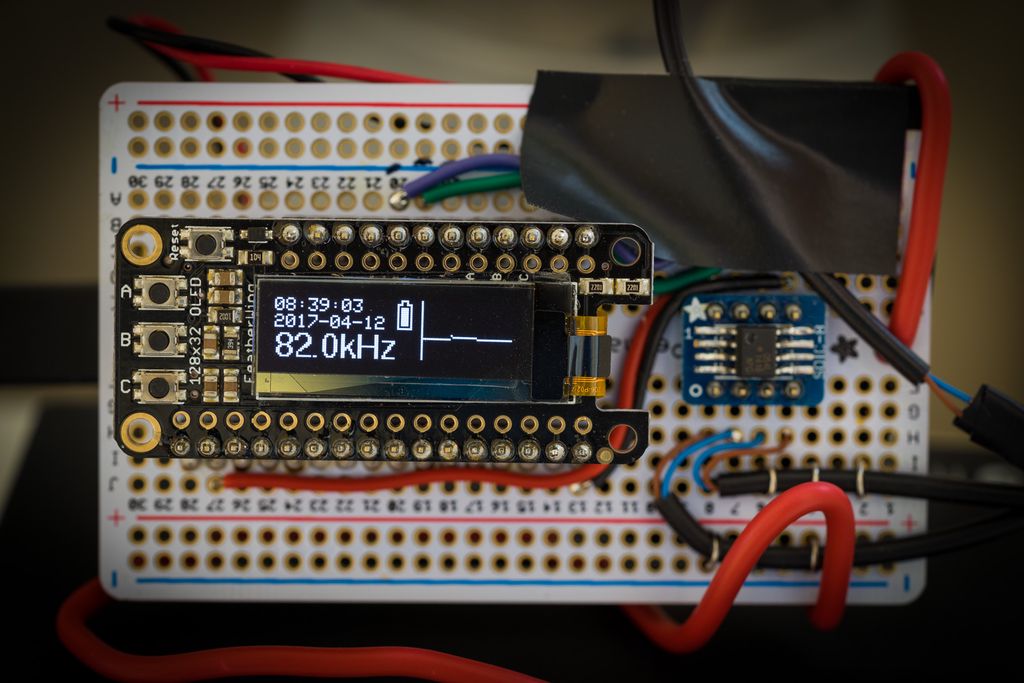
I started a second take on the long term tests for the plant watering sensor. This tests are required to be sure, the measurements follow the expected cycles. After watering the sensor, the frequency should go down and while the soil is drying up, the frequency should go up the the initial value.
Logging this measurements is very important to get a good overview of the measurements and be sure if every aspect of the device works as expected. At this point, I especially test the sealing of the foot part of the sensor. If it keeps completely sealed against water, I should get very consistent and repeatable readings.
The curve on the right side shows the measurements of the last 48 hours. These small variations are normal and are most likely caused by the plant itself or because of temperature changes of the board.
If you have questions, miss some information or just have any feedback, feel free to add a comment below.
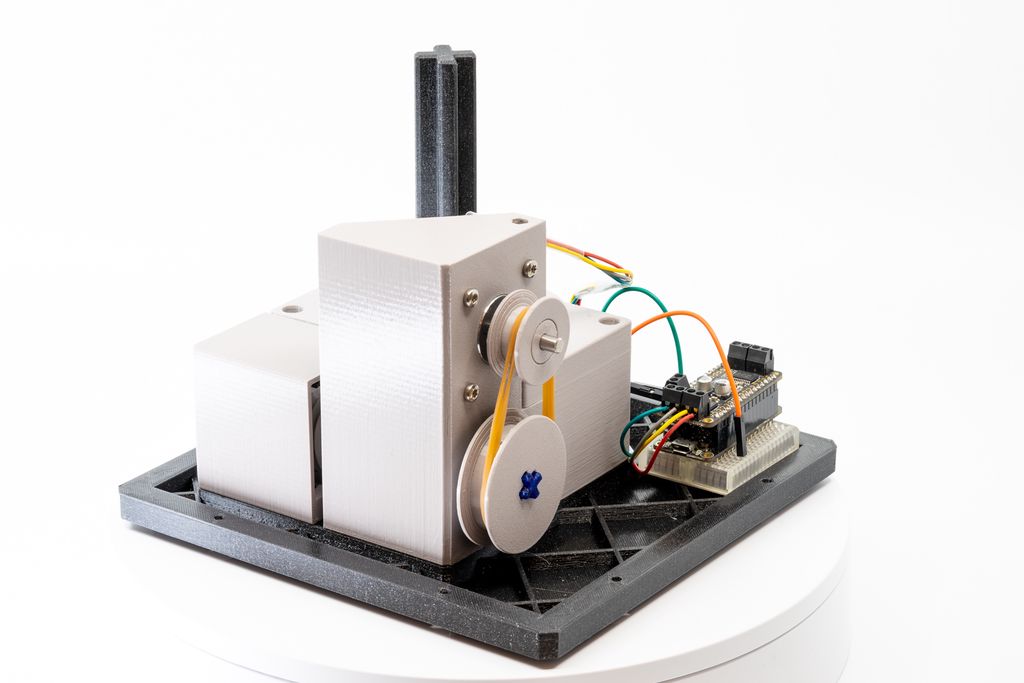
I walk you through assembling the gearbox for my 3D-printed cat feeder, step by step. I cover inserting insets, bearings, grub screws, and fitting the NEMA17 motor so the turntable runs smoothly. If you printed the parts from Part 1, follow along — read the full post for photos and testing tips.
Posted on 2019-07-13— C++, Improve your Code, Learn
I explain why I prefer #pragma once over macro header guards and how it prevents subtle build errors and wasted debugging time. I’ll show examples, common pitfalls, and practical steps to replace guards in existing projects — read on if you want a simple, low-risk improvement.
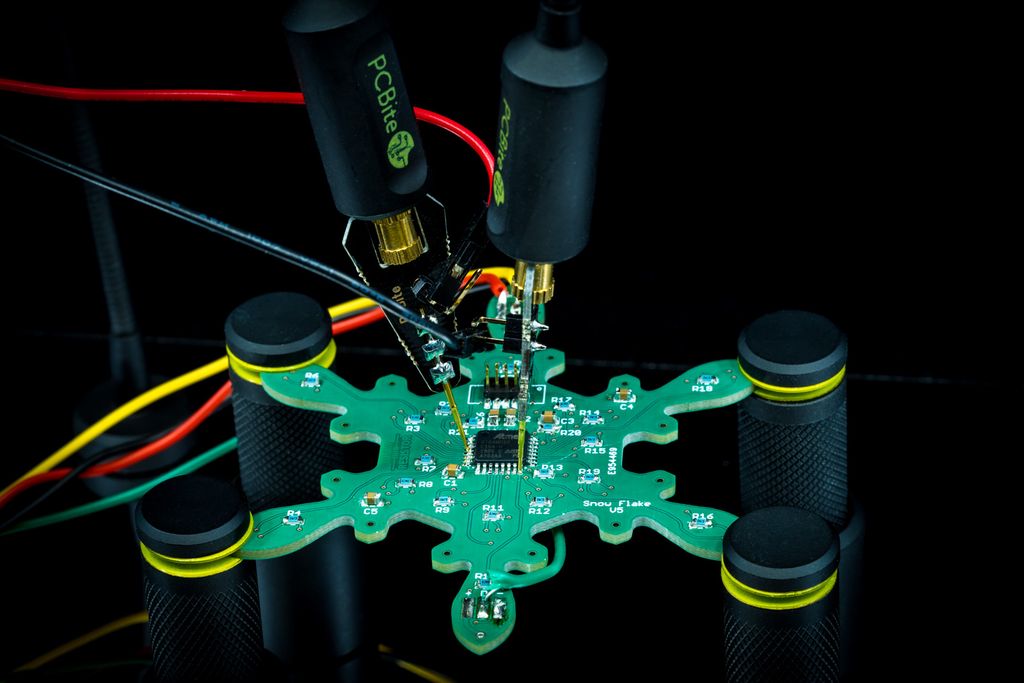
I just received the PCBite Kit 2.0 from Sensepeek and explored its mirror board, magnetic pogo-style probes, and PCB holder. I found the gold needle tips and crown forks helpful for accessing tiny pads without test points. If you work on soldering or circuit analysis, read on for my hands-on impressions.
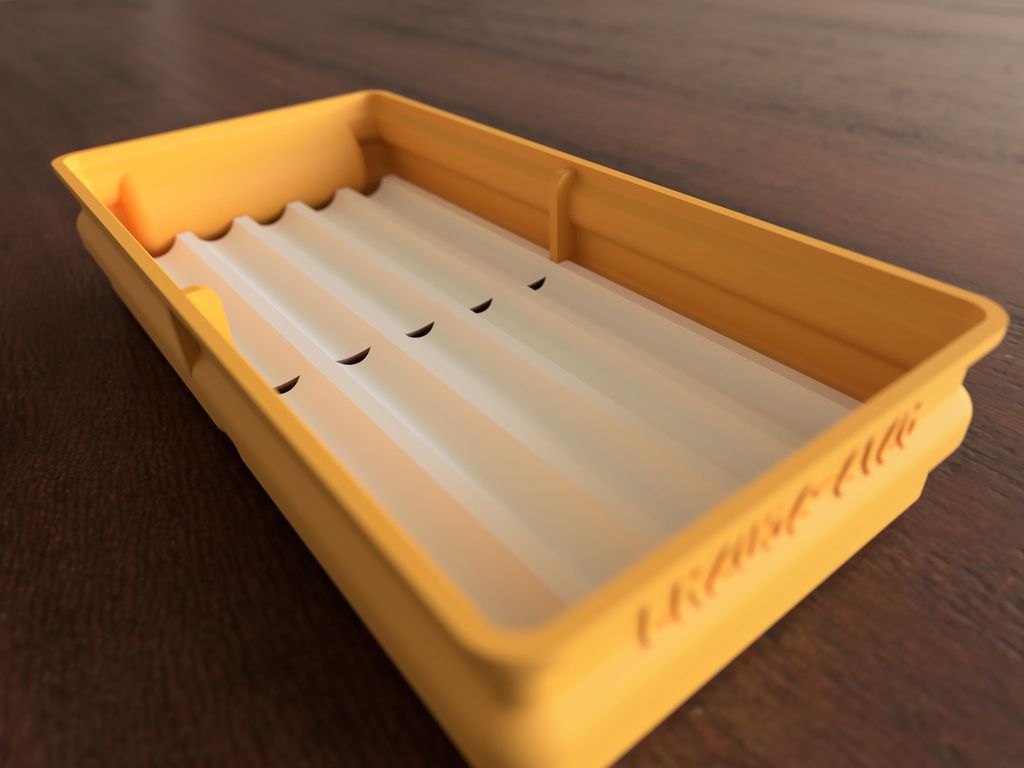
I created a parametric Fusion 360 insert template for the flat storage box series and included a drill-insert example, STL files, and OpenSCAD scripts. Download the free files, tweak the parameters to fit your tools, and read the full post for setup tips and examples.
Posted on 2019-07-09— C++, Improve your Code, Learn
I compare implementing a singleton as a class or as a module/namespace for Arduino firmware using simple LED driver examples and compiler measurements. I cover size, initialization and runtime trade-offs and explain when each approach makes sense. Read the full post for code, disassembly and practical recommendations.
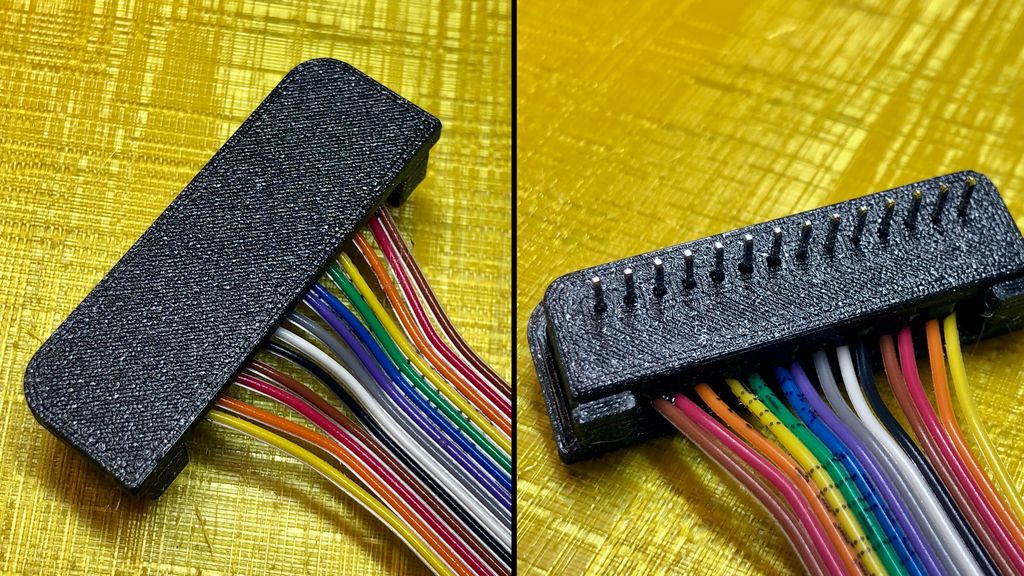
I needed a robust way to reuse a 14-pin header on different breadboards, so I designed a simple two-part 3D-printed enclosure, soldered a ribbon cable, and set the header in epoxy. Read on for my quick step-by-step guide and the downloadable design files if you'd like to try it.