published: February 25, 2017 —
last modified: October 23, 2025
As mentioned in my article about designing a cheap plant watering sensor, I built a small adapter which can be used to pre-program the ATtiny13A. This is necessary, because once soldered on the board, I only have a debugWire interface, which has to be enabled first.
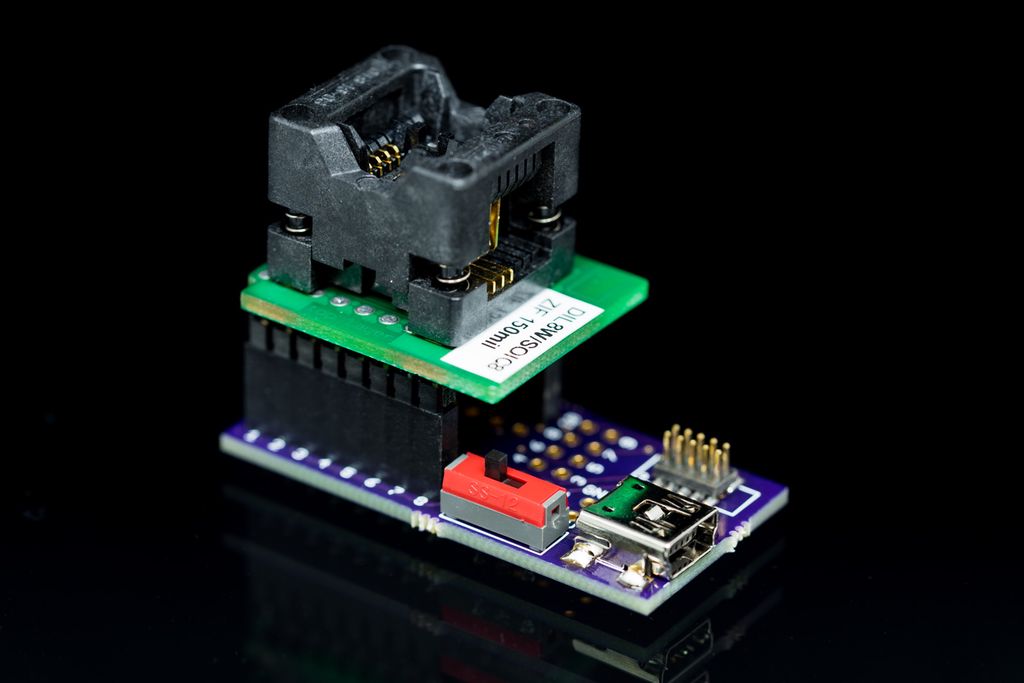
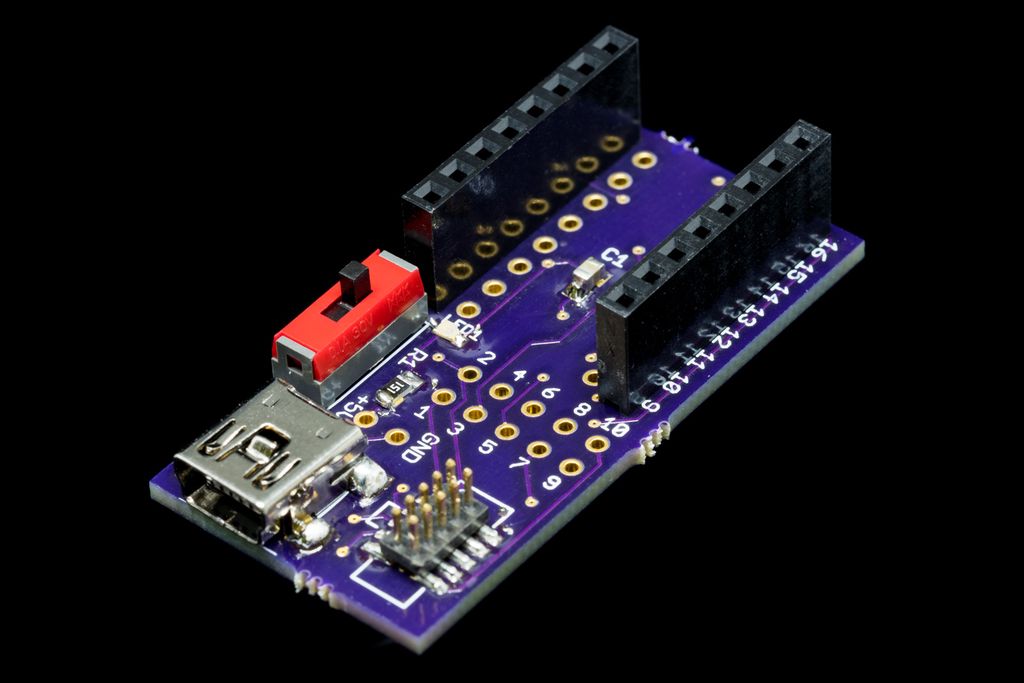
The adapter has a small 50mil JTAG header, where the Atmel ICE can be connected with the board. There is also room for a USB mini jack, which is used to power the MCU while programming. A small on-off switch is used to power the MCU and a LED is placed as indicator to see if the MCU has power. The assembled board looks like this:
One of the DIL/ZIF adapters is mounted on top of the female headers. Most of the adapters for SO-8, SO-14 and SO-16 will work with this board.
Versatile
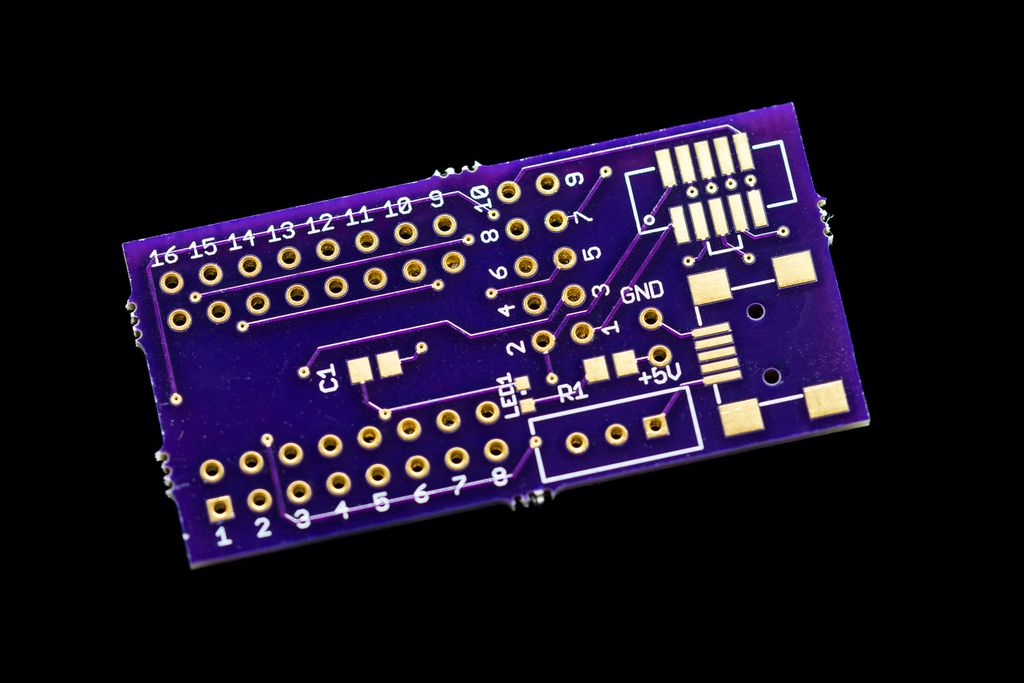
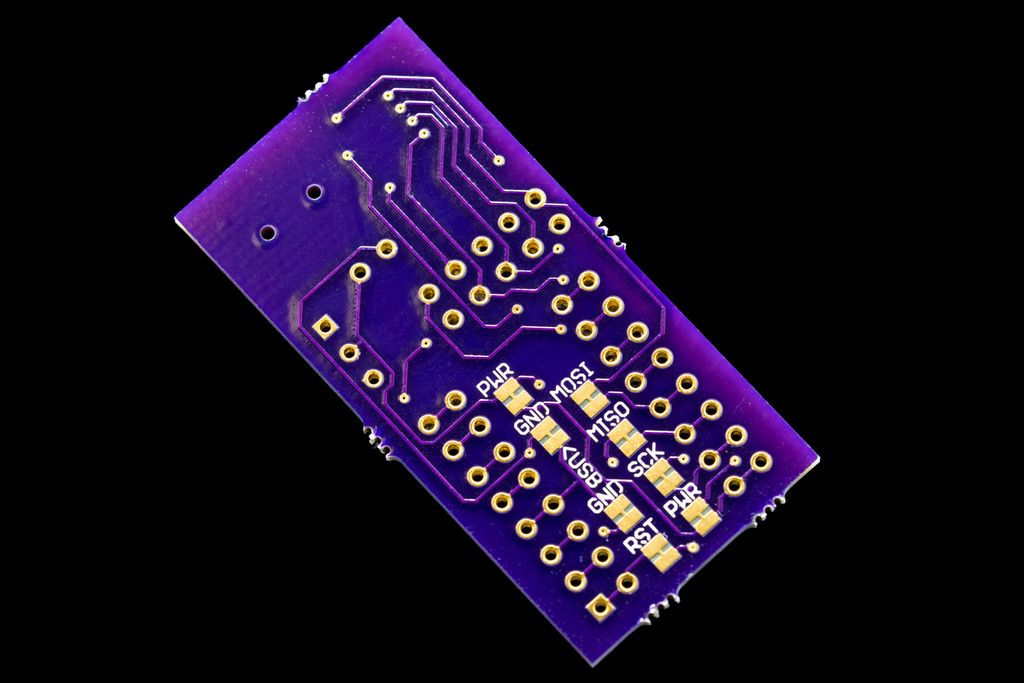
To make the board more versatile, I added a number of jumpers and solder points. By default, the adapter is connecting to the right pins for the ATtiny13A, but you can cut these routes and solder wires onto the board to implement any kind of connection you like.
I already used the adapter successfully and prepared a second one for an ATtiny24A MCU. It is nice to have a device like this, which is already correctly wired to the chip.
Boards and Schema
I created the schema and board using EAGLE. You can find the files here:
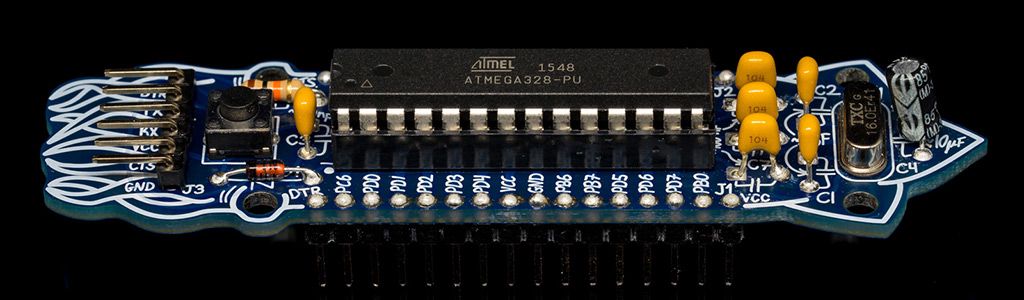
My new Boldport Club project, "The Cuttle," arrived today — a minimal ATMega328-PU board shaped like a cuttlefish. Soldering was straightforward; I photographed each stage and made a short video of a simple LED effect. Read on if you'd like photos, the code, and a closer look.
I explain why I add small guide bridges to tricky gaps in my 3D prints and how they help PETG bridging. I show the settings I use and demonstrate results in my modular lantern model. Read the full post to see images and step-by-step tips to apply this to your designs.
I've released Lucky World, a compact jump'n'run for the MeggyJr RGB featuring an intro, 16+ levels, secrets and an end scene. I squeezed it into ATmega328P limits and shared the sources under GPLv2. If you're curious, please read on for downloads, requirements, and play instructions.
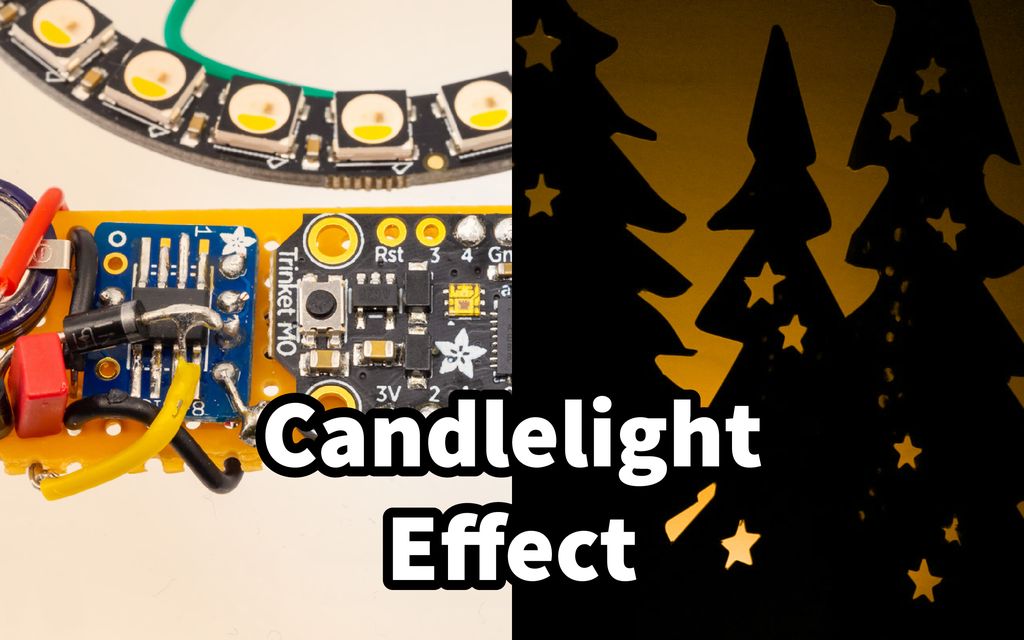
I built a compact Neopixel-based candlelight decoration with a DS3231 RTC and share the schematic, firmware, and build tips here. It's best placed behind a screen or in a jar. Read the full post for parts, assembly photos, and configuration notes to recreate it yourself.
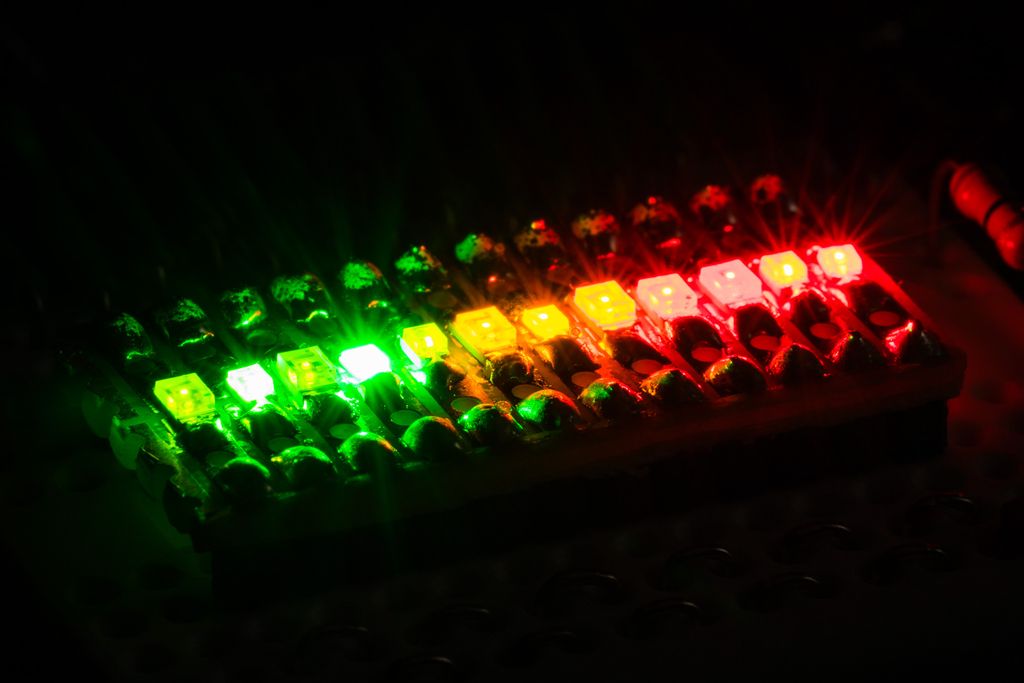
I tested 13 SMD LEDs for my plant-watering sensor project, soldering them to a small board and driving them from an Arduino Zero Pro to compare brightness and flash styles. I share photos, part numbers and a short demo video — read on if you’d like the full results and notes.
I'm not a 3D‑printing expert, but I show how simple wall profiles — correct XY/Z thickness, chamfers, and internal recesses — make printed boxes stronger and lighter. I share CAD steps, simulations, and common mistakes in plain terms. Read the full post for practical tips to improve your prints.