published: February 12, 2017 —
last modified: October 23, 2025
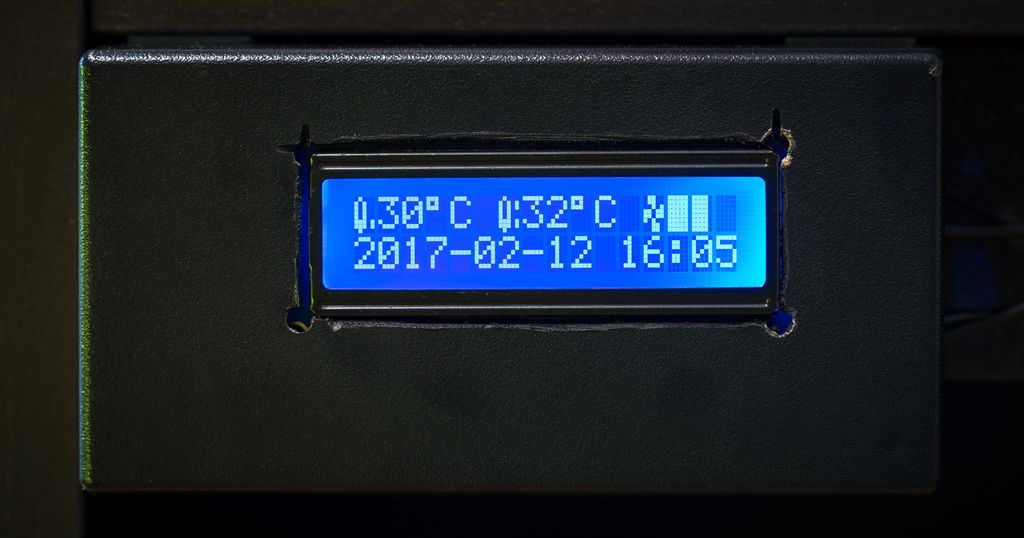
Yesterday I found some time to put the fan controller in a casing. I used a very cheap no-name case with the dimensions 130 × 68 × 44 mm. First I drilled some 2.5mm holes into the lid, and fastened the Arduino board on it using M2.5 spacers. You see the bottom of the case in the photo – I mounted everything top down, because this simplified everything.
I experimented with the spacer size, until I found the right height, so the display is more or less at the same height as the case bottom. Next I put very small bits of double sided tape onto the corners of the display and put the case bottom on top of the lid. After removing the bottom, the exact position of the display was marked at the bottom with these double sided tape bits.
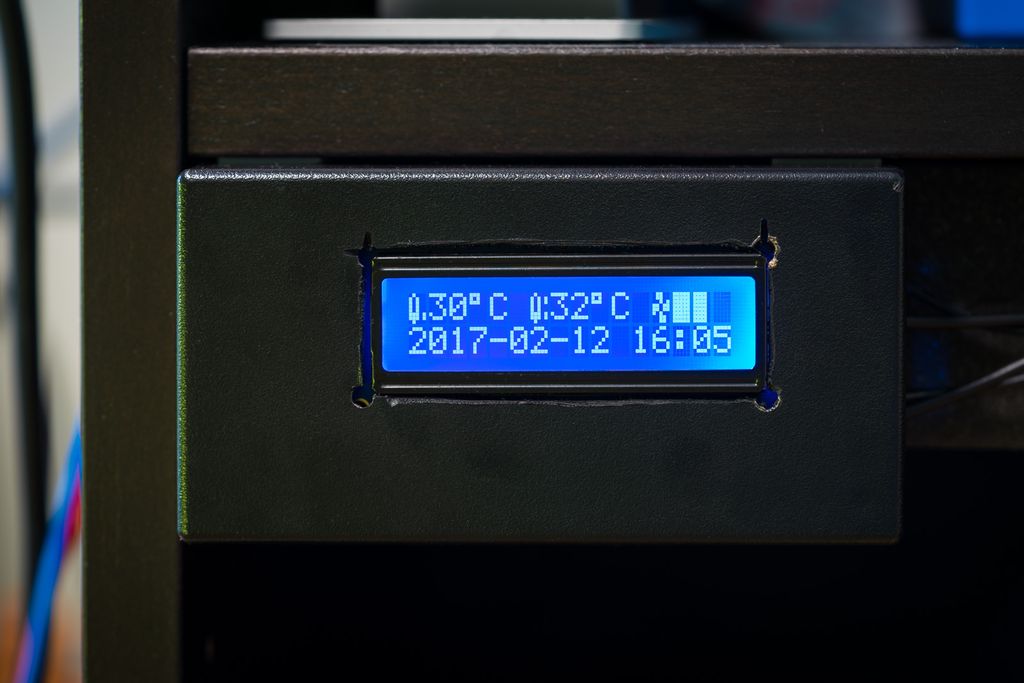
First I drilled four holes at the expected corners to see the position from the other side. Next I used a Dremel tool to cut the rectangle out of the case.
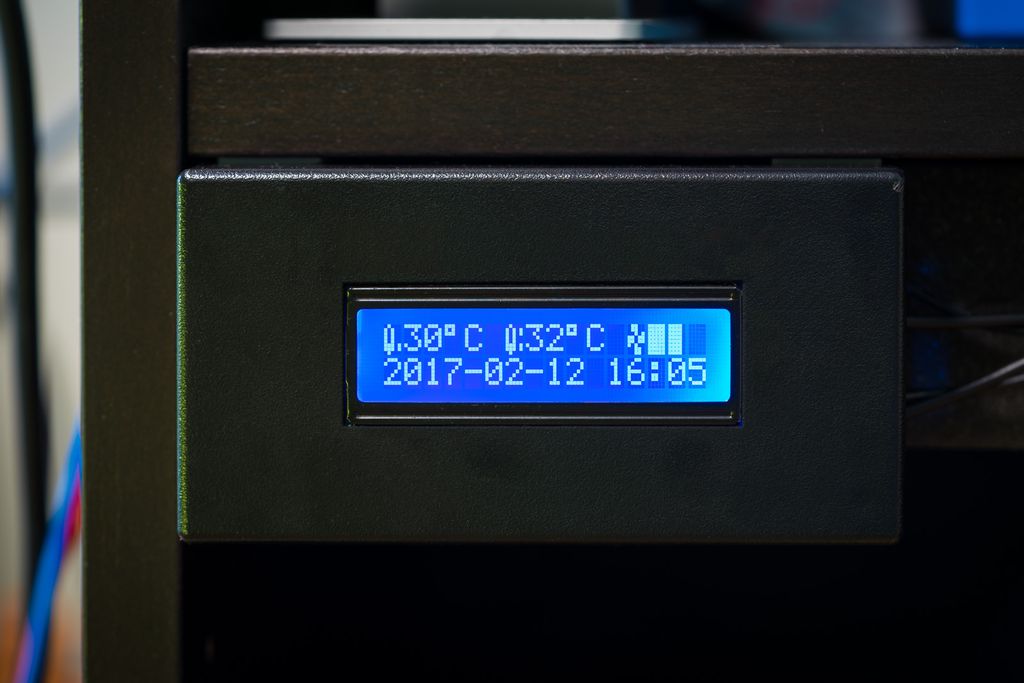
As usual: This was my expectation of the result… ;-)
…, and this was the actual result:
No, seriously, I did not expect much. I just hoped the controller will fit into the case and I cut the rectangle at the right place. So, this worked out very well.
I’ve released a major update to my 3D-print storage box system: expanded sizes (up to 6x6 and 9x9 split), improved geometries, 3MF files, JPEG previews, and more dividers. If you use my boxes or print them yourself, read the full post for download links, compatibility notes, and printing tips.
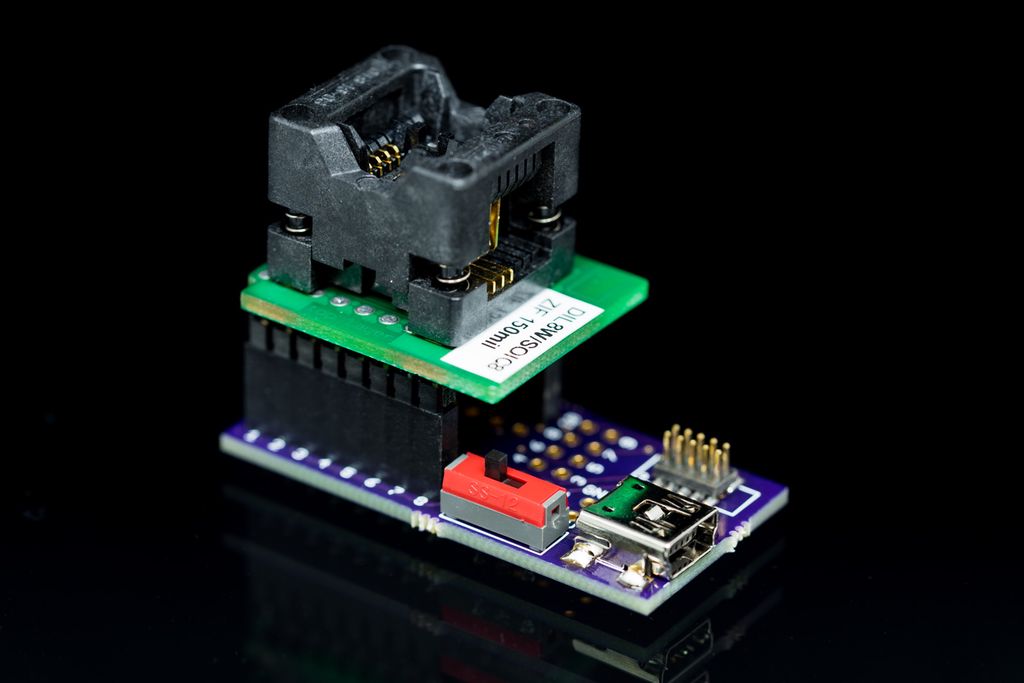
I built a compact ATtiny programming adapter to pre-program ATtiny13A chips before soldering, with a 50mil JTAG header, USB power, LED, and jumper options for other packages. I share EAGLE files, PCB ordering info and usage notes — read the post for photos, GitHub links and details.
Posted on 2022-09-04— C++, Improve your Code, Learn
I take you on a short, pragmatic journey into C++ integer pitfalls—why signed and unsigned types behave oddly, how literals, negation and overflow can bite, and simple tests to reveal compiler quirks. If you work in embedded or systems code, please read the full post for examples and guidance.
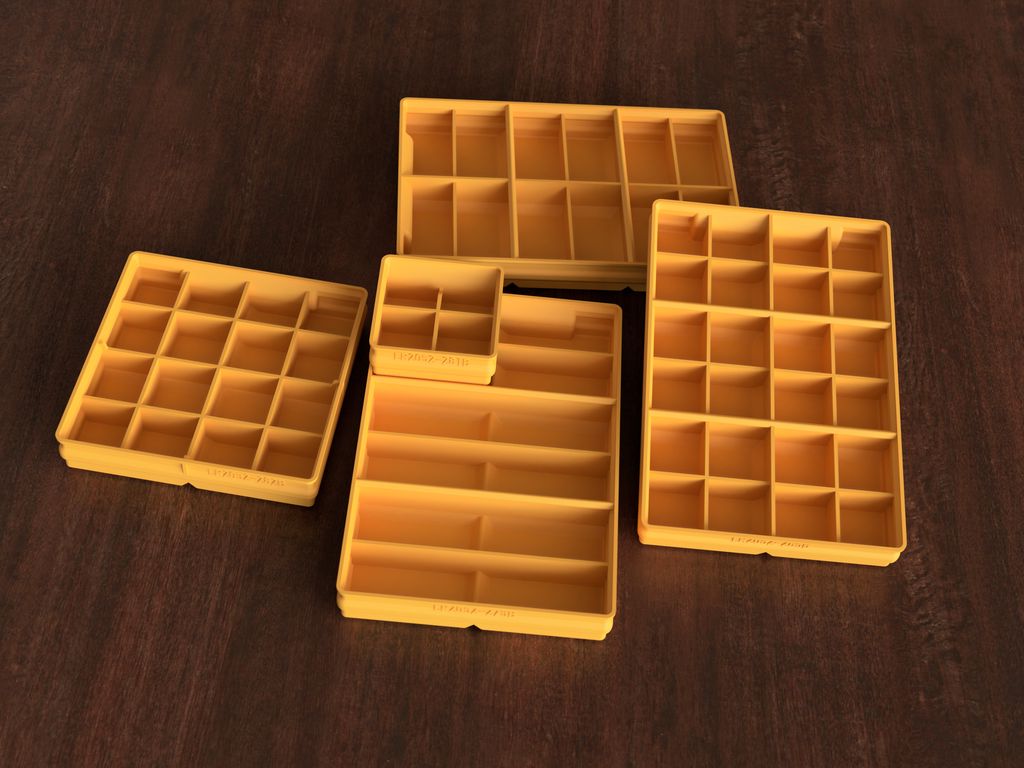
I've updated the flat boxes set with a refined wall profile (revision B) and added five new boxes, including a large 2×4 and four grid variants. I show corner comparisons and note existing customers received files. If this is useful, please check the full project details on the project page.
I wanted to capture the tiny, spiky corona of light from a snowflake decoration on video and found it challenging. After experiments I developed a simple effect that better conveys the sparkling as seen by the eye. Read on to see my approach, results, and how you can try it yourself.
I show how a small C++ flags template makes embedded register bitmasks safer and much easier to read. I'll explain why macros and CMSIS-style definitions lead to errors, and walk through clear C++11 examples and a simple driver. Read on to see the implementation and usage.