

SMD Components Under the Microscope

published: August 11, 2016 — last modified: October 23, 2025

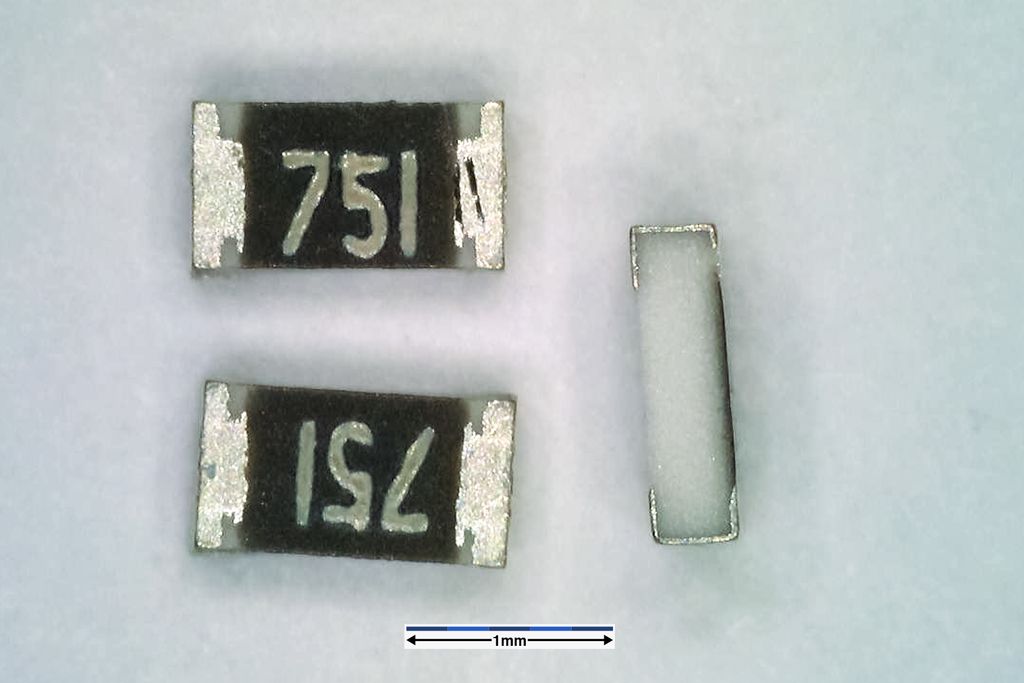
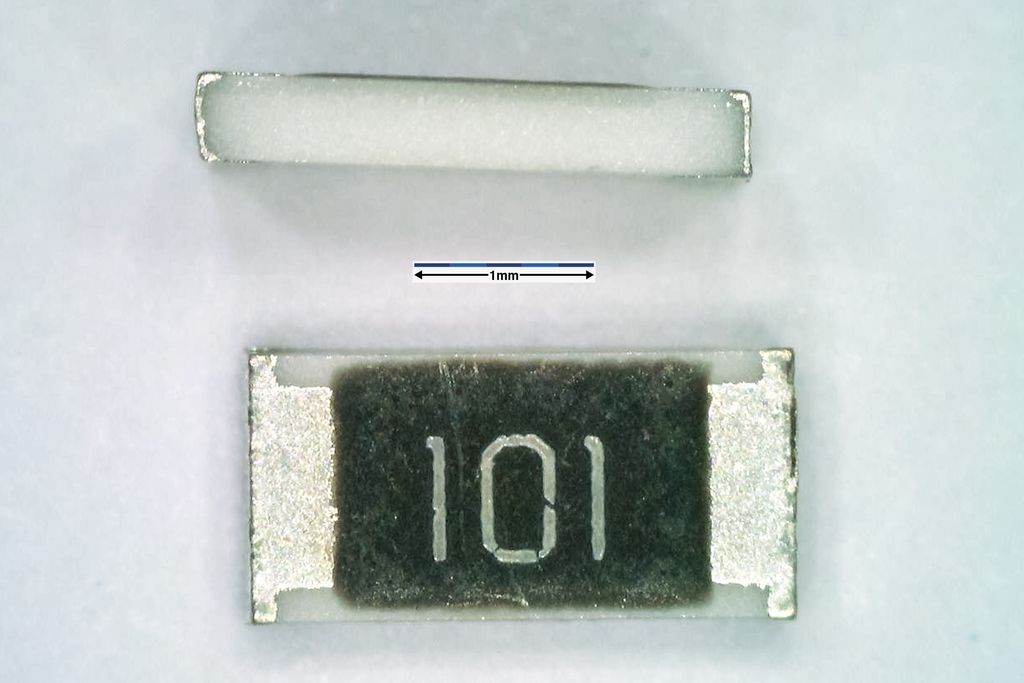
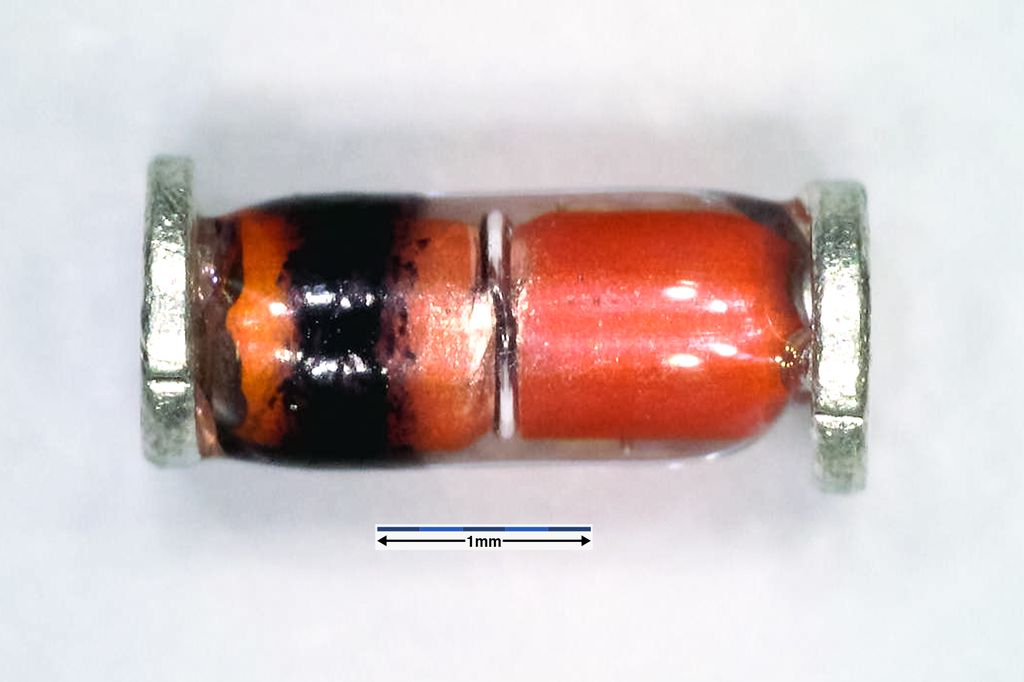
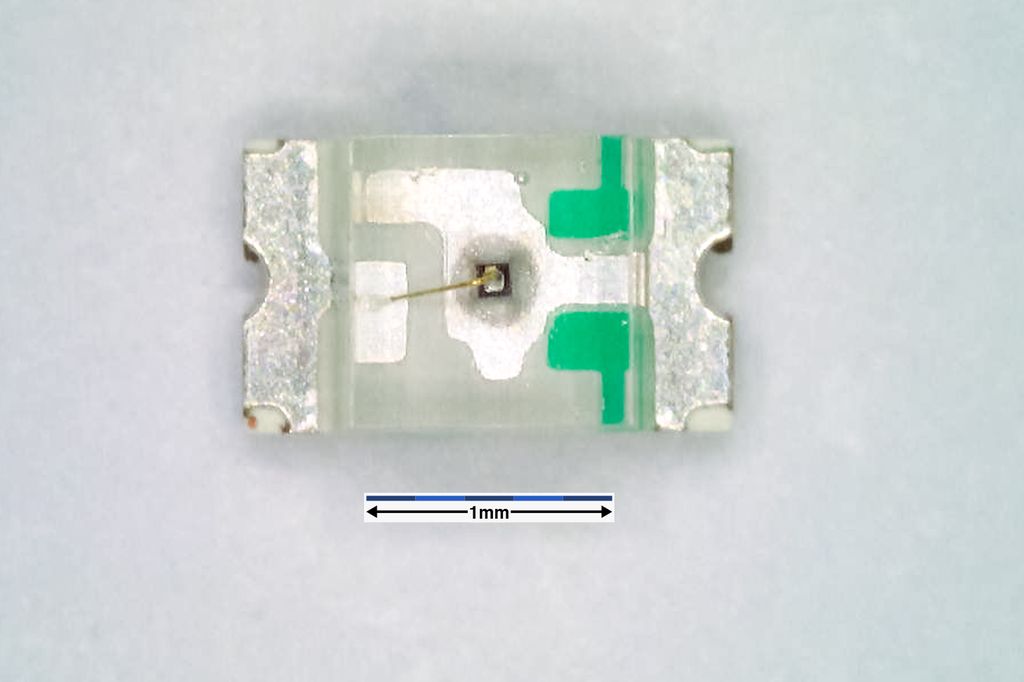
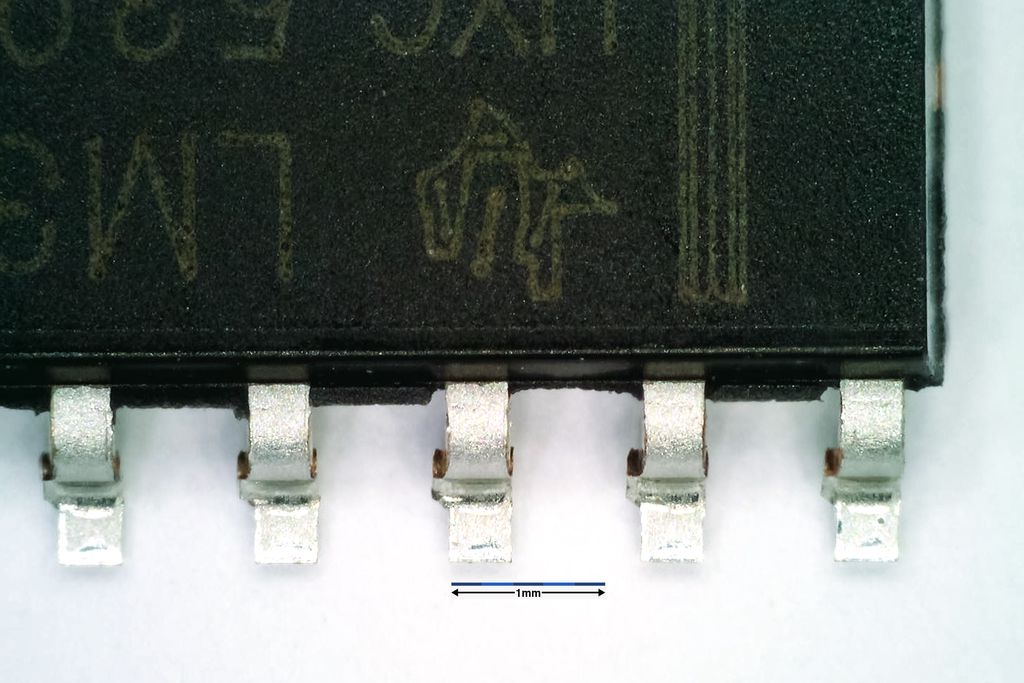
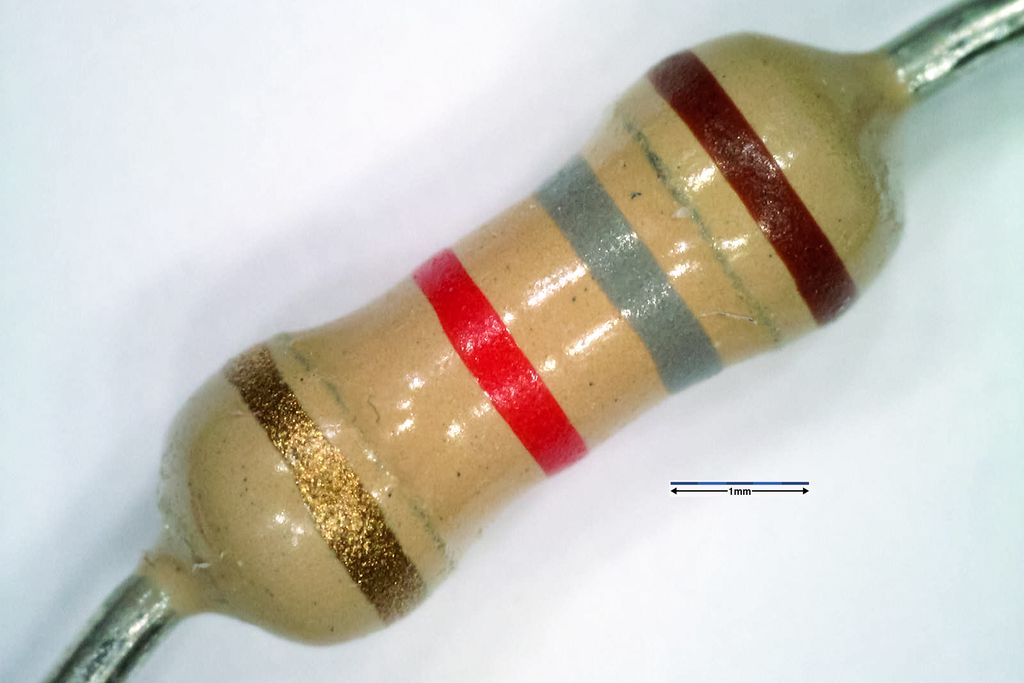
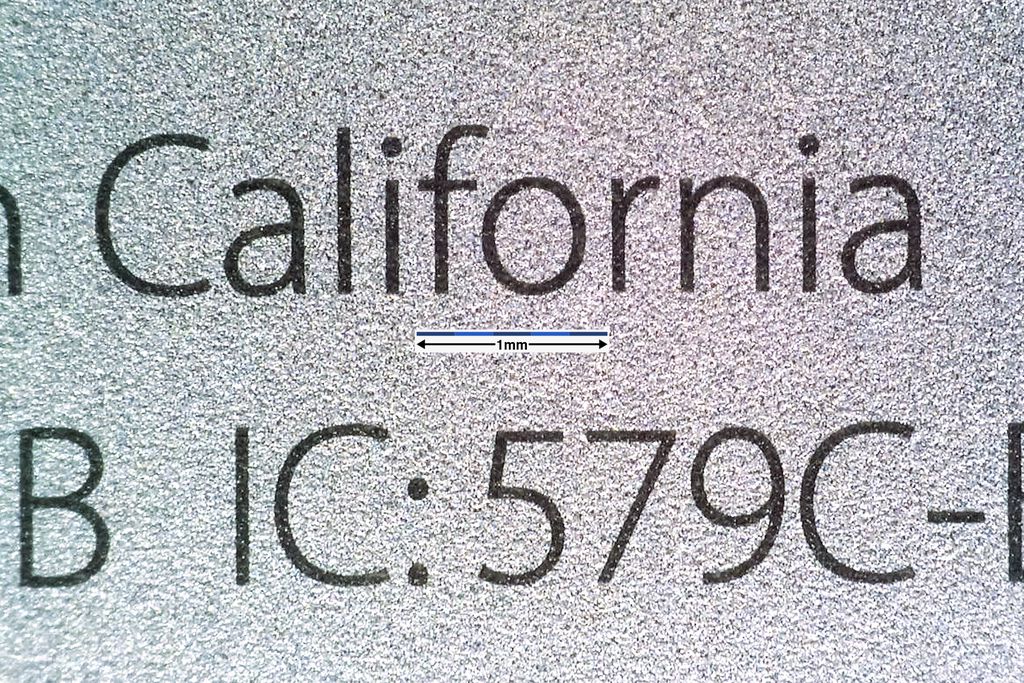
Today I took some photos from common SMD components using a microscope. From naked eye, this components look so tiny and fascinating perfect. Looking at them using a microscope, they do not look that perfect anymore.

I cropped the pictures to make the picture better visible at lower resolutions. I always put a scale, which measures 1mm, on each photo. See each picture caption for a description of the component and more details.

More Posts

The Importance of Wall Profiles in 3D Printing

Posted on 2023-02-12— 3D Printing, Learn

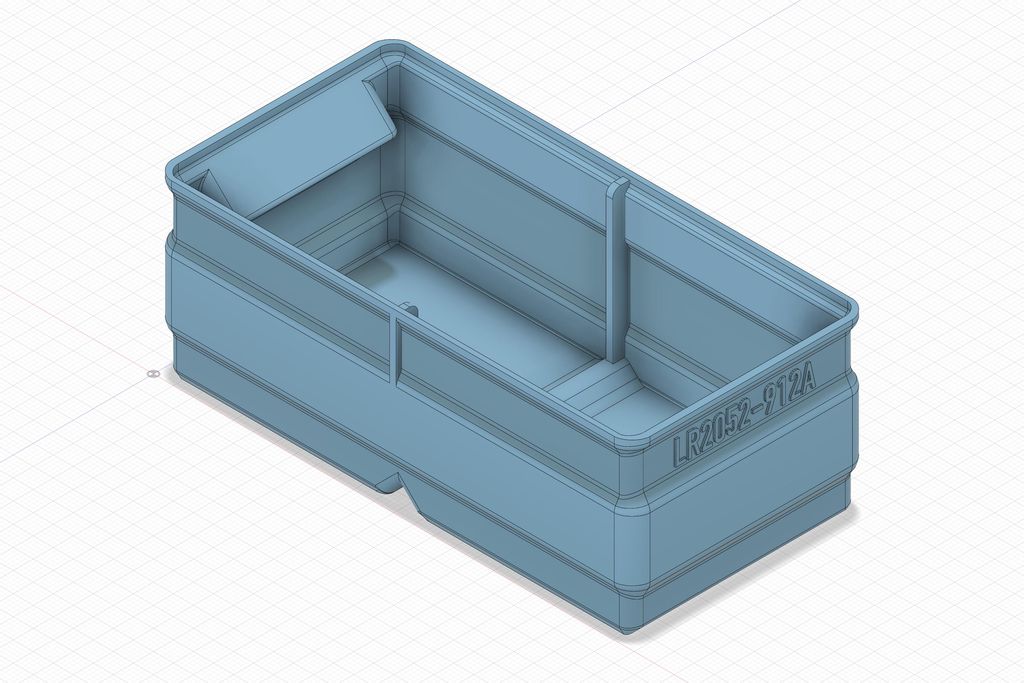
I'm not a 3D‑printing expert, but I show how simple wall profiles — correct XY/Z thickness, chamfers, and internal recesses — make printed boxes stronger and lighter. I share CAD steps, simulations, and common mistakes in plain terms. Read the full post for practical tips to improve your prints.
Read this post

Storage Box for 45º Belt Printer?

Posted on 2020-12-07— 3D Printing, Projects

I designed an experimental storage box for 45° belt printing and shared the STL for others to try. I haven't printed it myself, so it's a best-guess layout optimized for 0.2mm layer height and common nozzles. If you have a belt printer, please test it and tell me how it performs, and read on for details.

Read this post

Logic Gates Puzzle 1

Posted on 2021-04-29— Puzzle

I created a symmetrical logic‑gate diagram and challenge you to spot its function. Study the image, try simplifying the design, and use the provided hints if needed. If you enjoy puzzles or digital logic, read the full post for extra challenges and to compare solutions.

Read this post

Make your Code Safe and Readable with Flags

Posted on 2018-05-06— C++, Improve your Code

I show how a small C++ flags template makes embedded register bitmasks safer and much easier to read. I'll explain why macros and CMSIS-style definitions lead to errors, and walk through clear C++11 examples and a simple driver. Read on to see the implementation and usage.

Read this post

Filtered RPM Measurement Using PIO

Posted on 2021-04-17— Learn, Software

I walk you through using the RP2040's PIO to measure a PC fan's RPM with a small software filter to ignore short spikes and timeouts. I explain the PIO routine and a simple RpmInput wrapper in MicroPython—read on if you'd like the code and practical setup tips.

Read this post

Testing the TPS61092 Boost Converter

Posted on 2018-03-17— Projects

I built a small test board for the TPS61092 to evaluate thermal performance, hand‑solderability, and layout before using it in my project. The chip stayed cool under 0.5A and the OSH Park PCB looked great. Read on for measurements, the BOM, and practical soldering tips if you want to try it.

Read this post