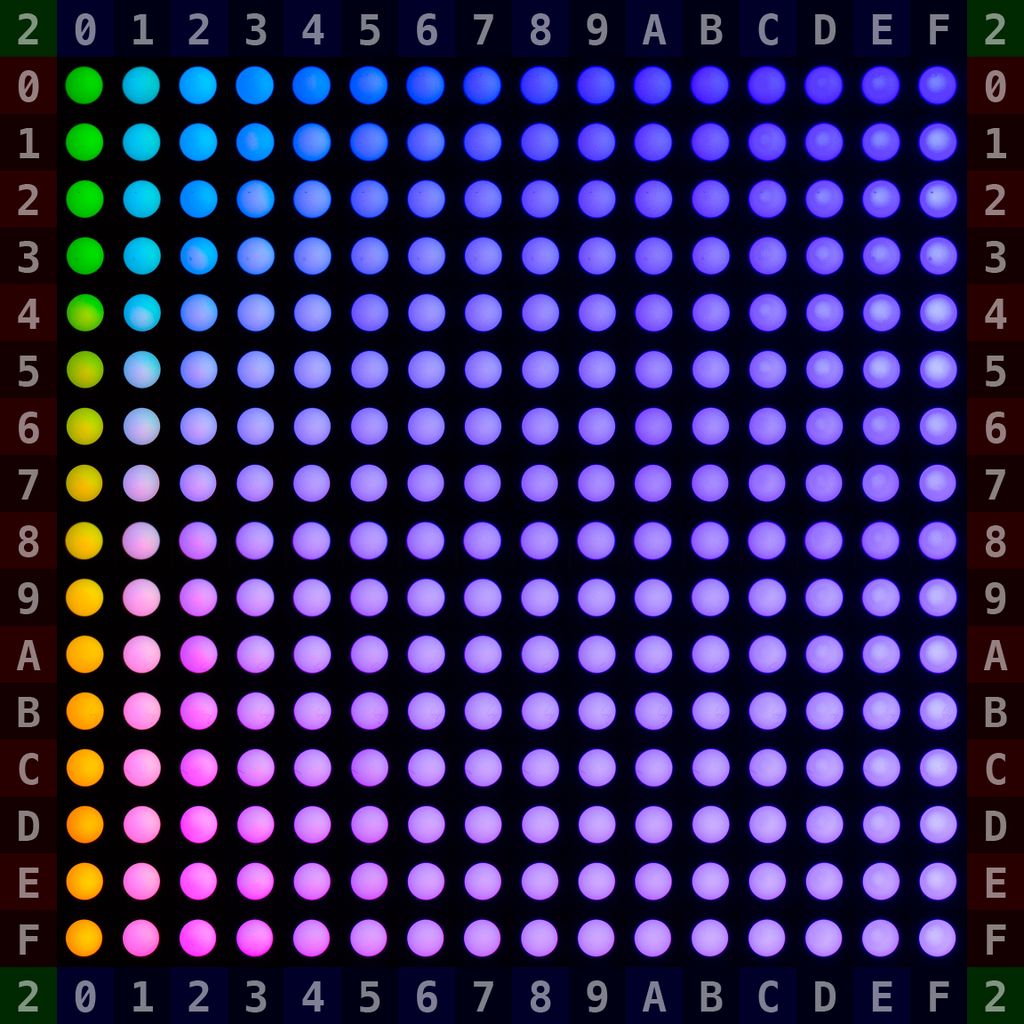
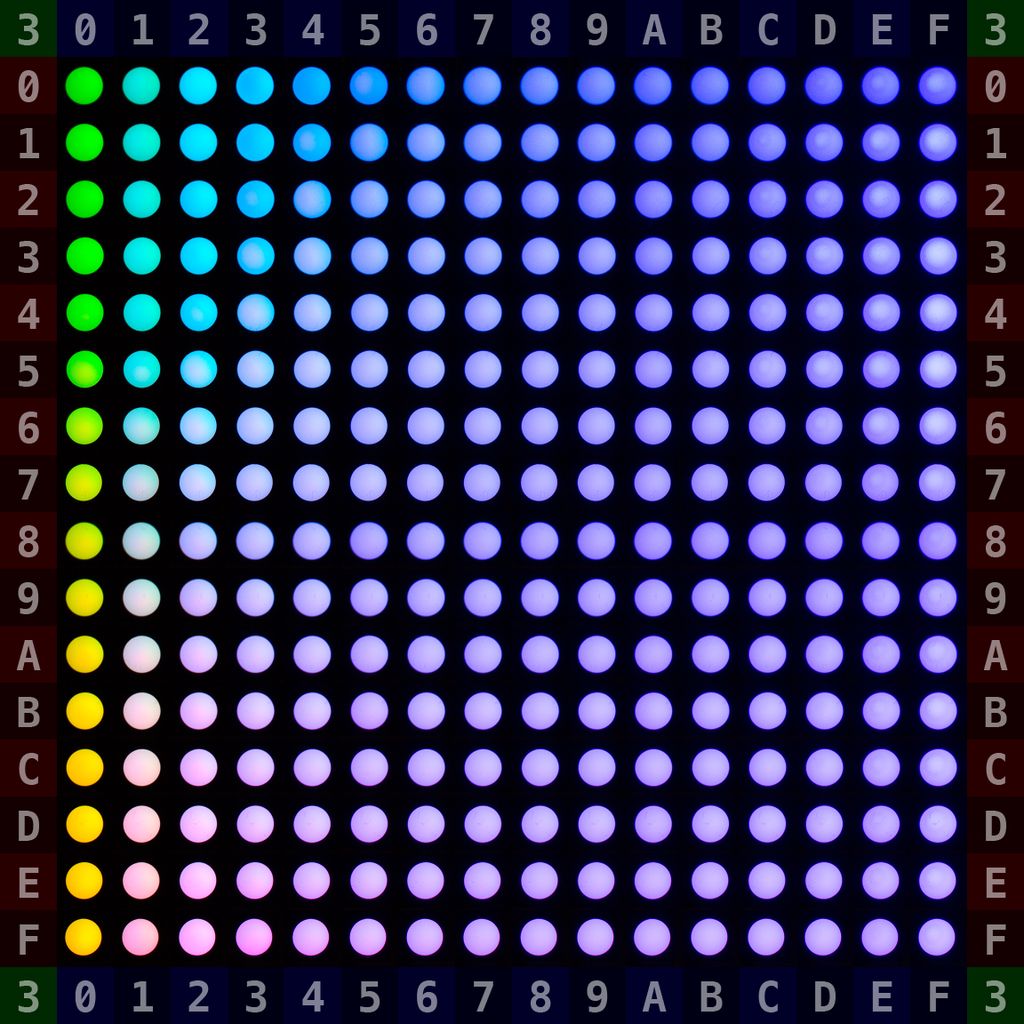
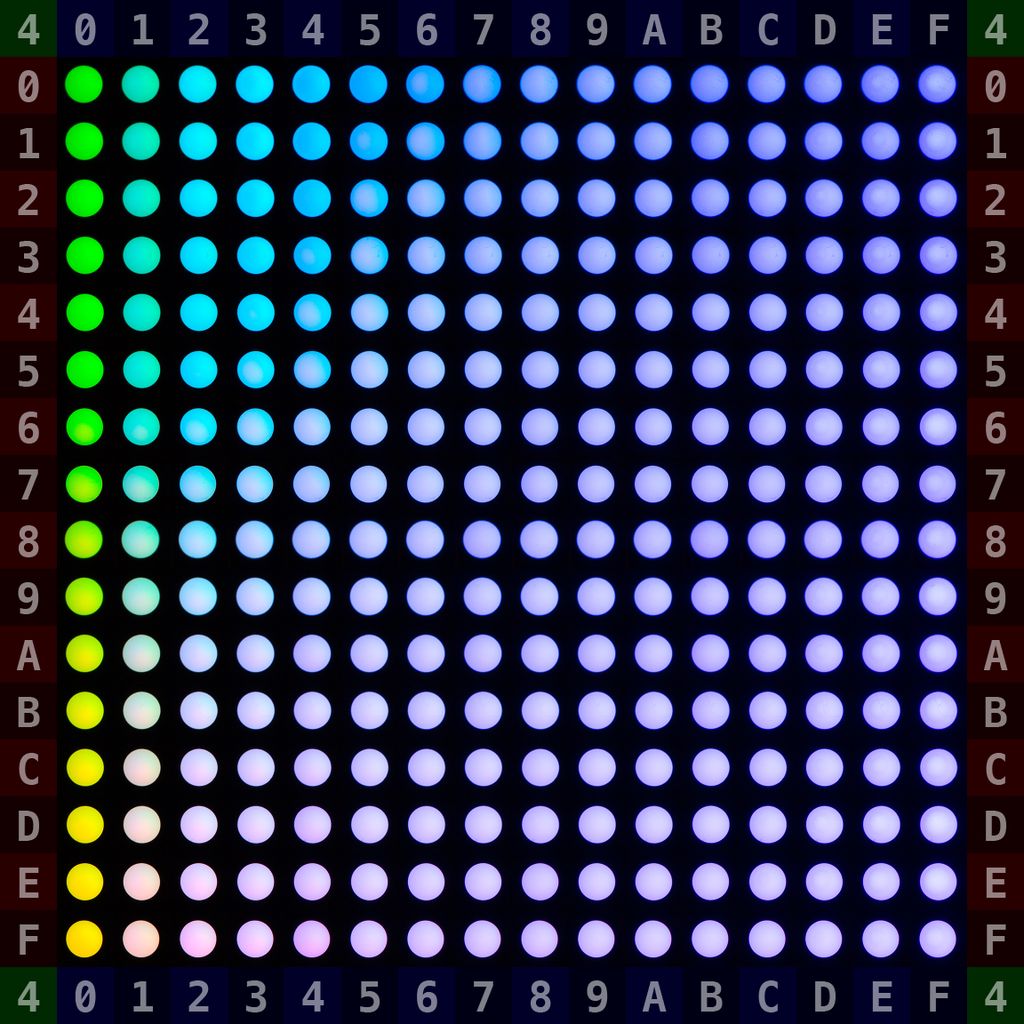
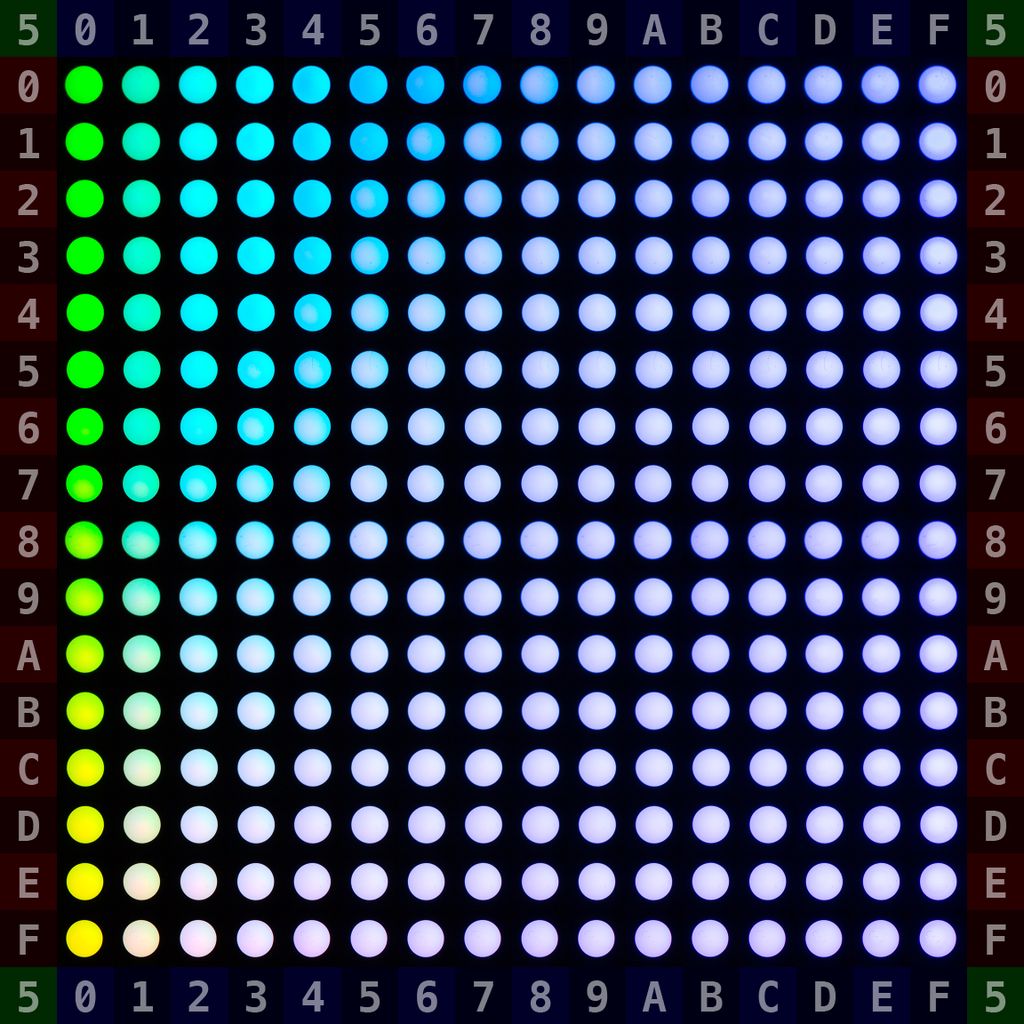
All Meggy Jr RGB Colors

published: November 14, 2014 — last modified: October 23, 2025

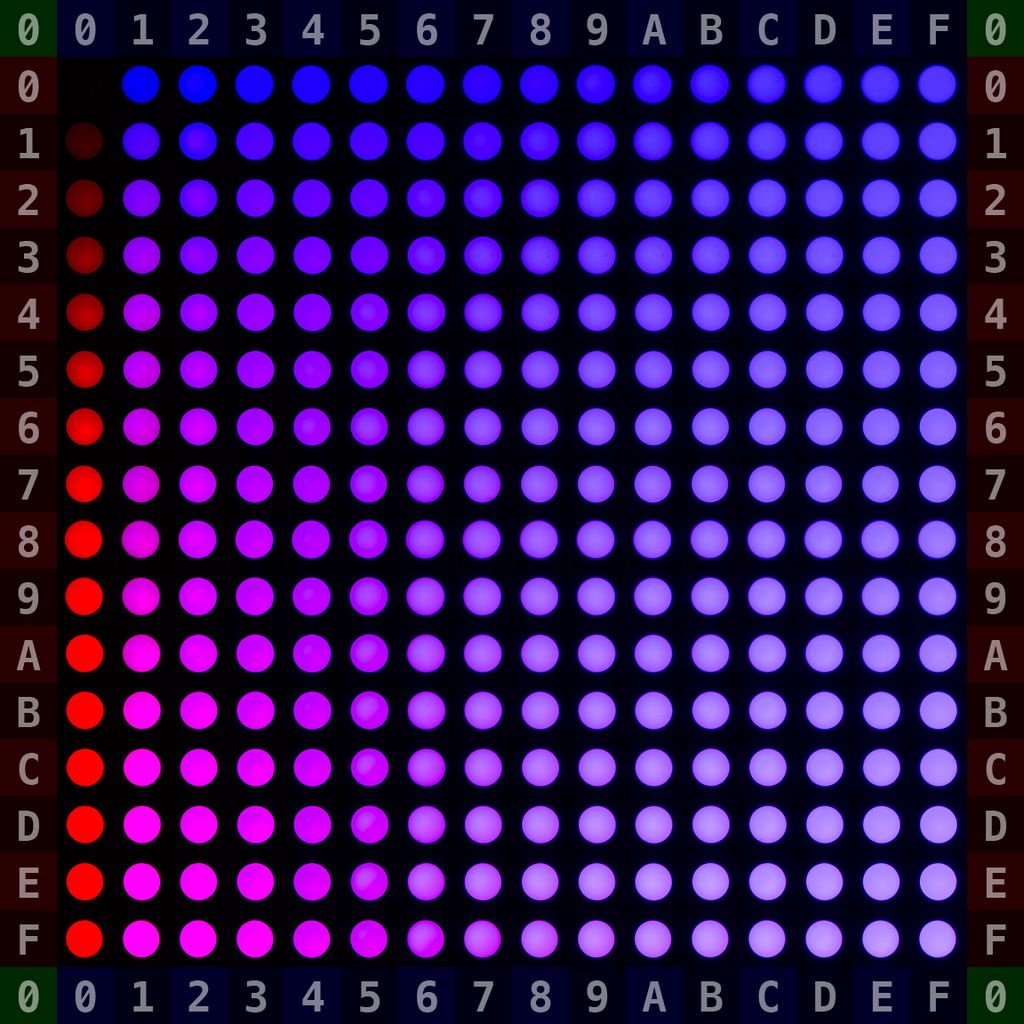
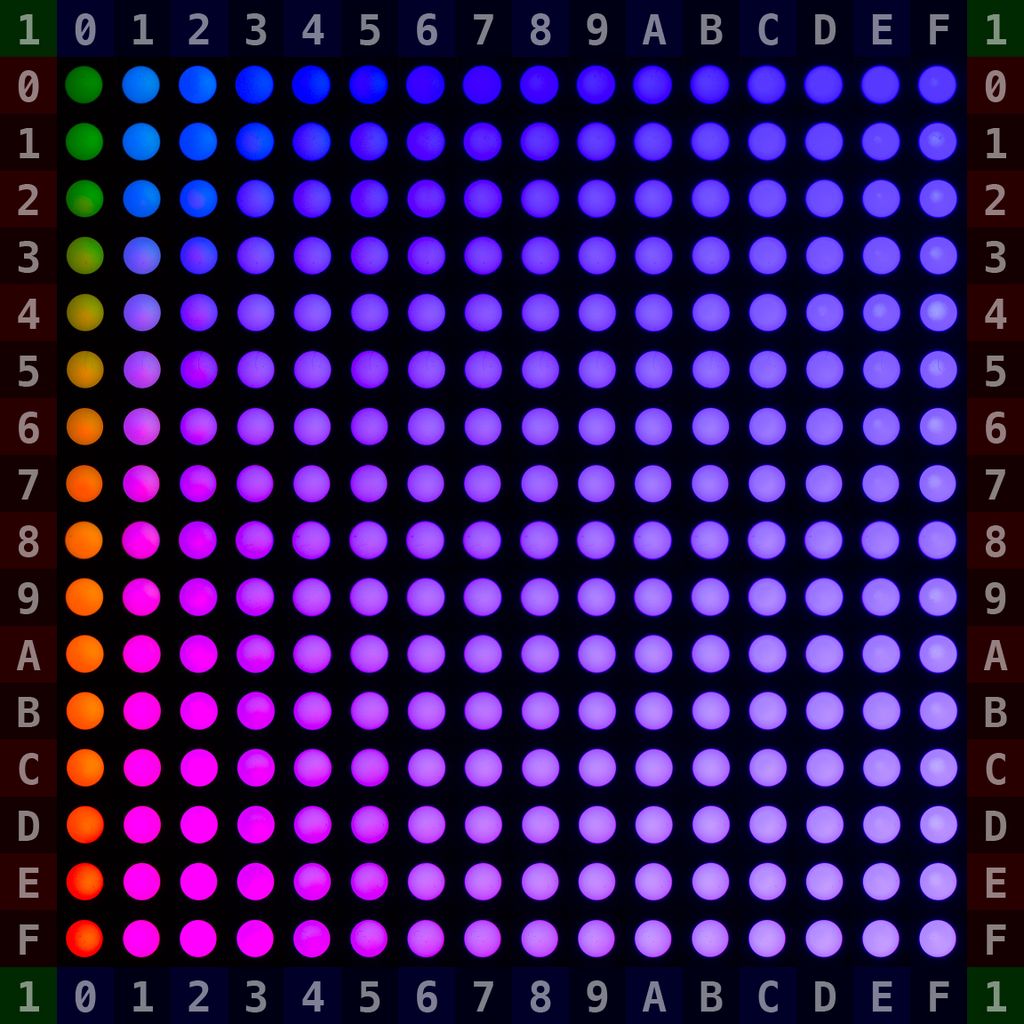
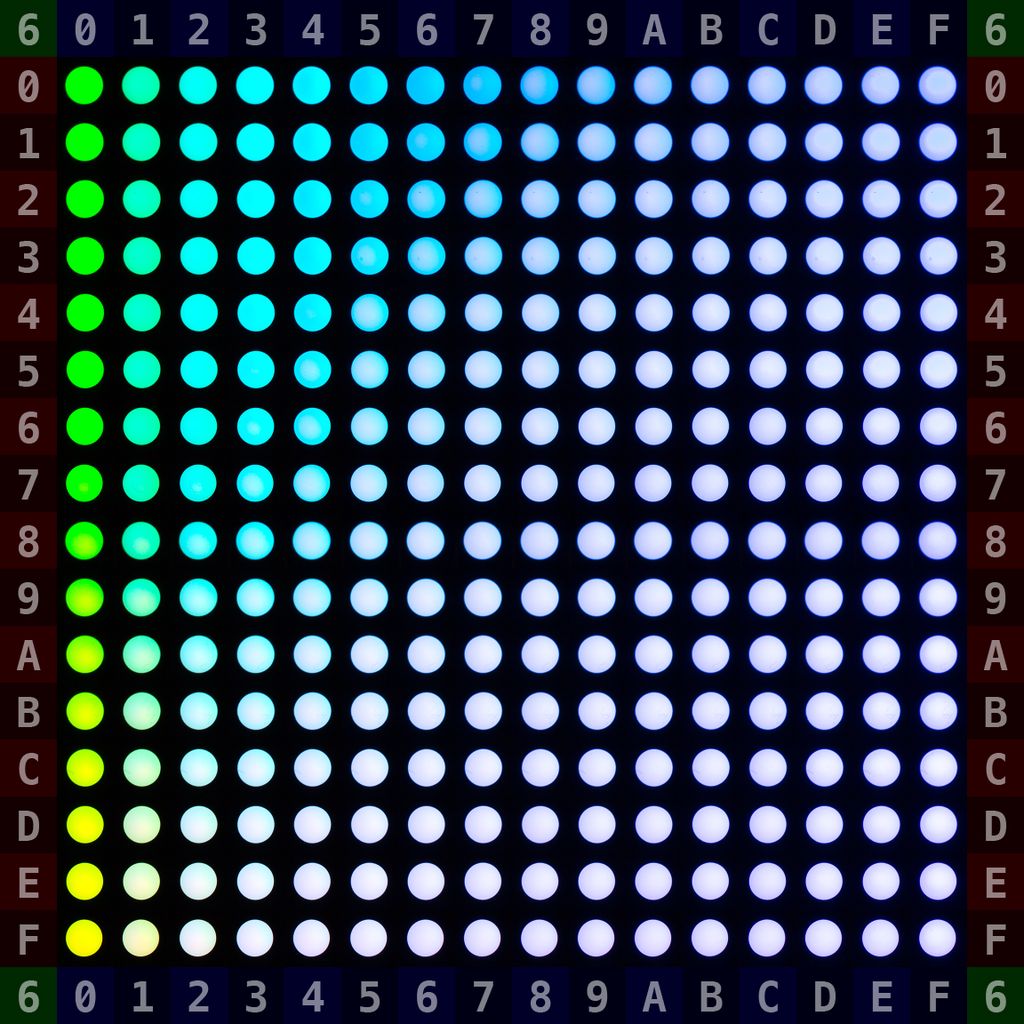
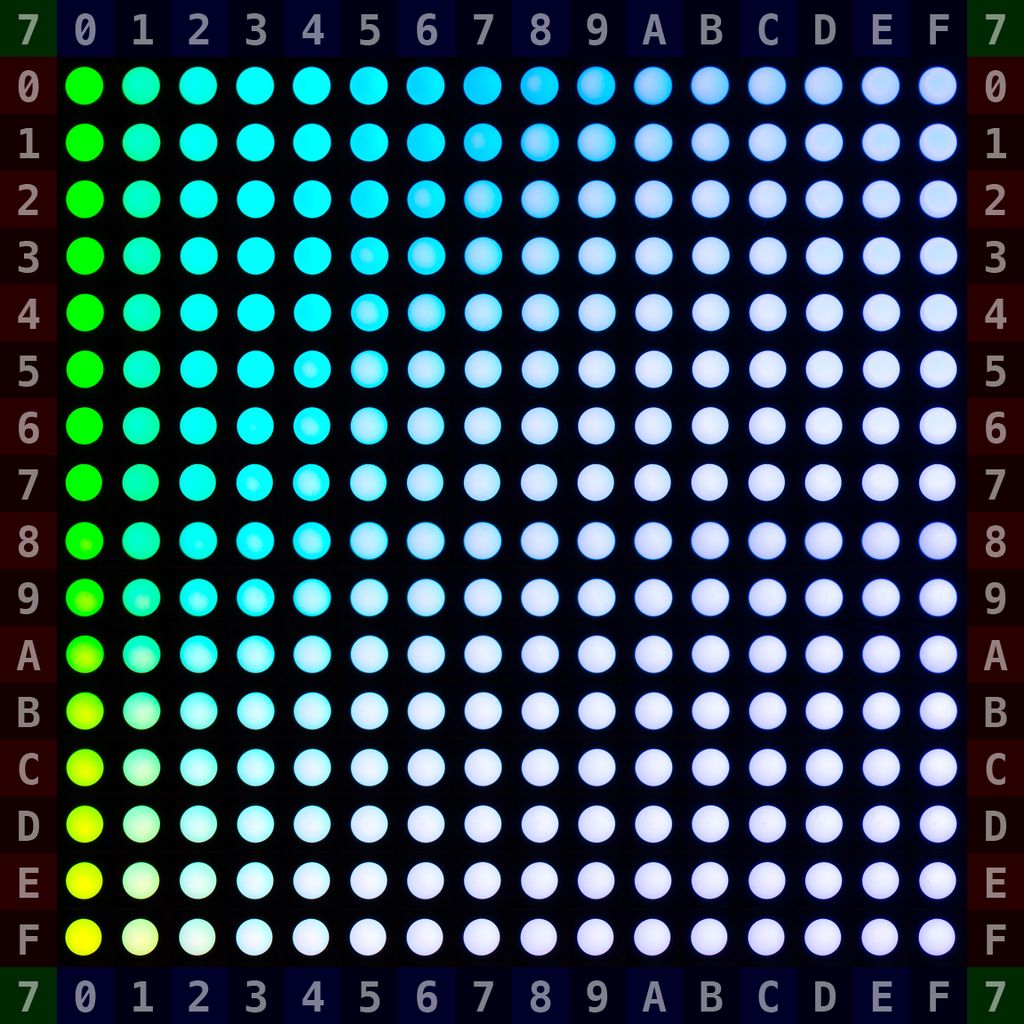
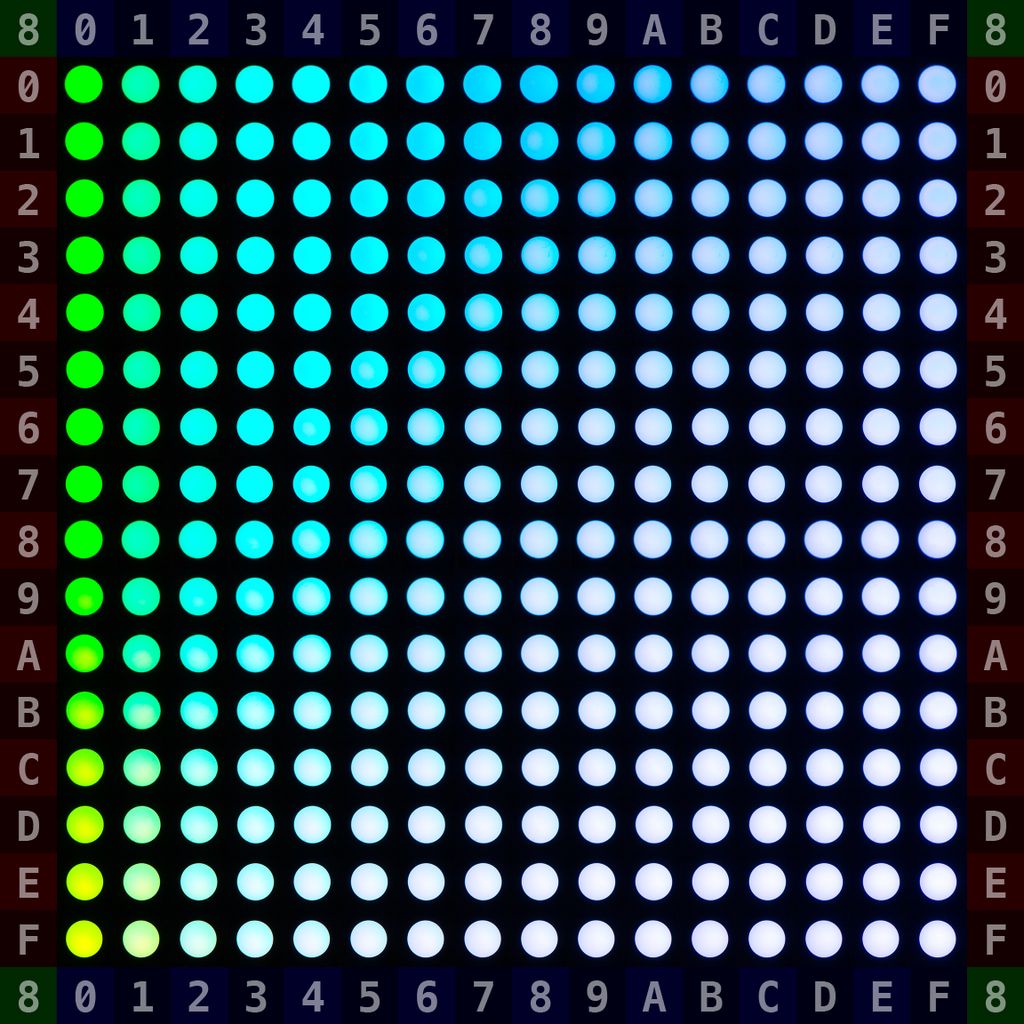
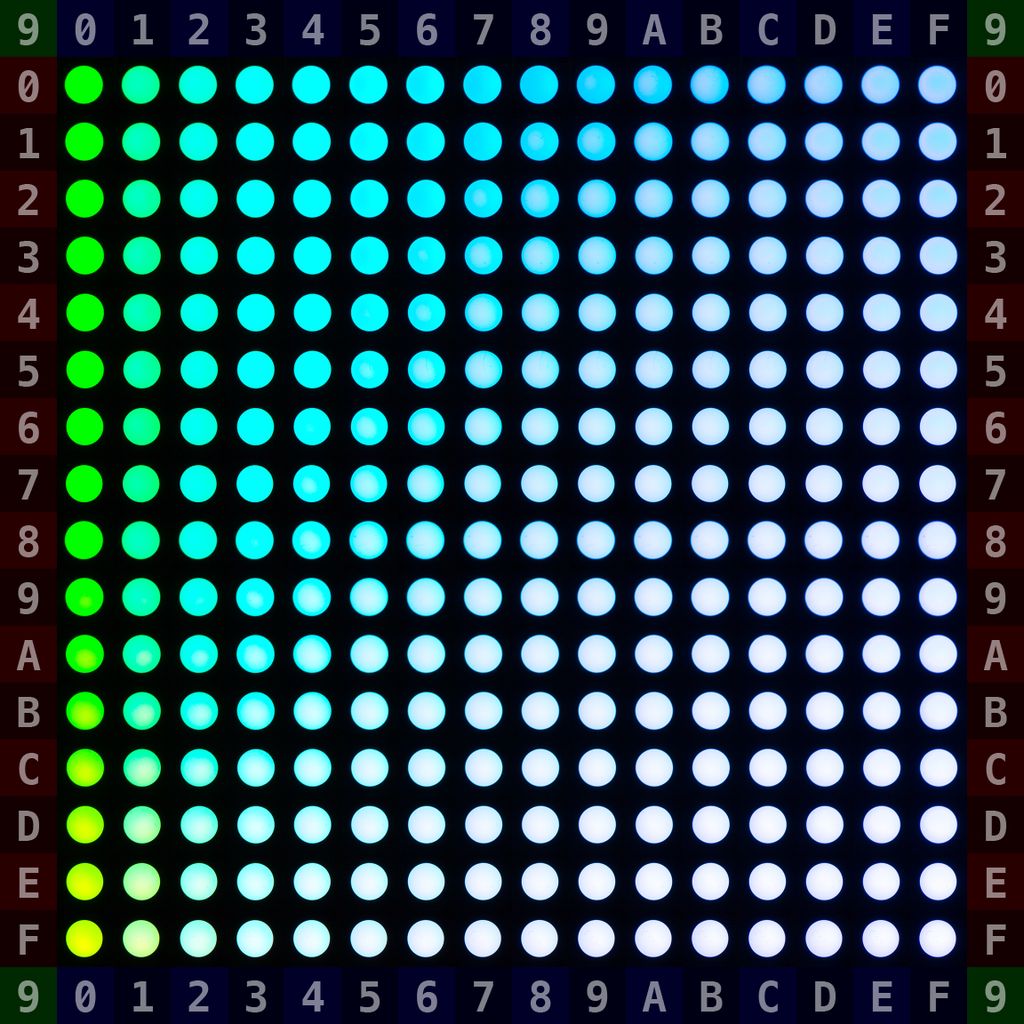
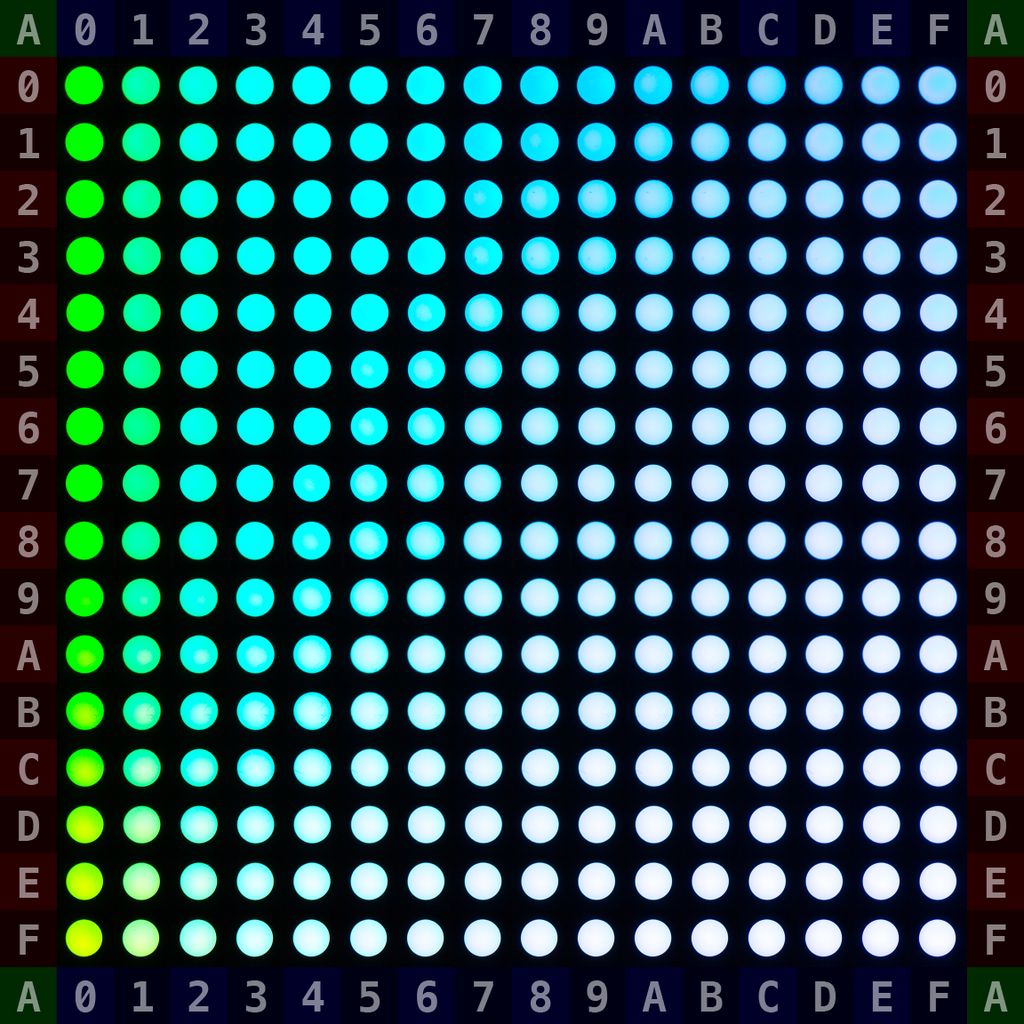
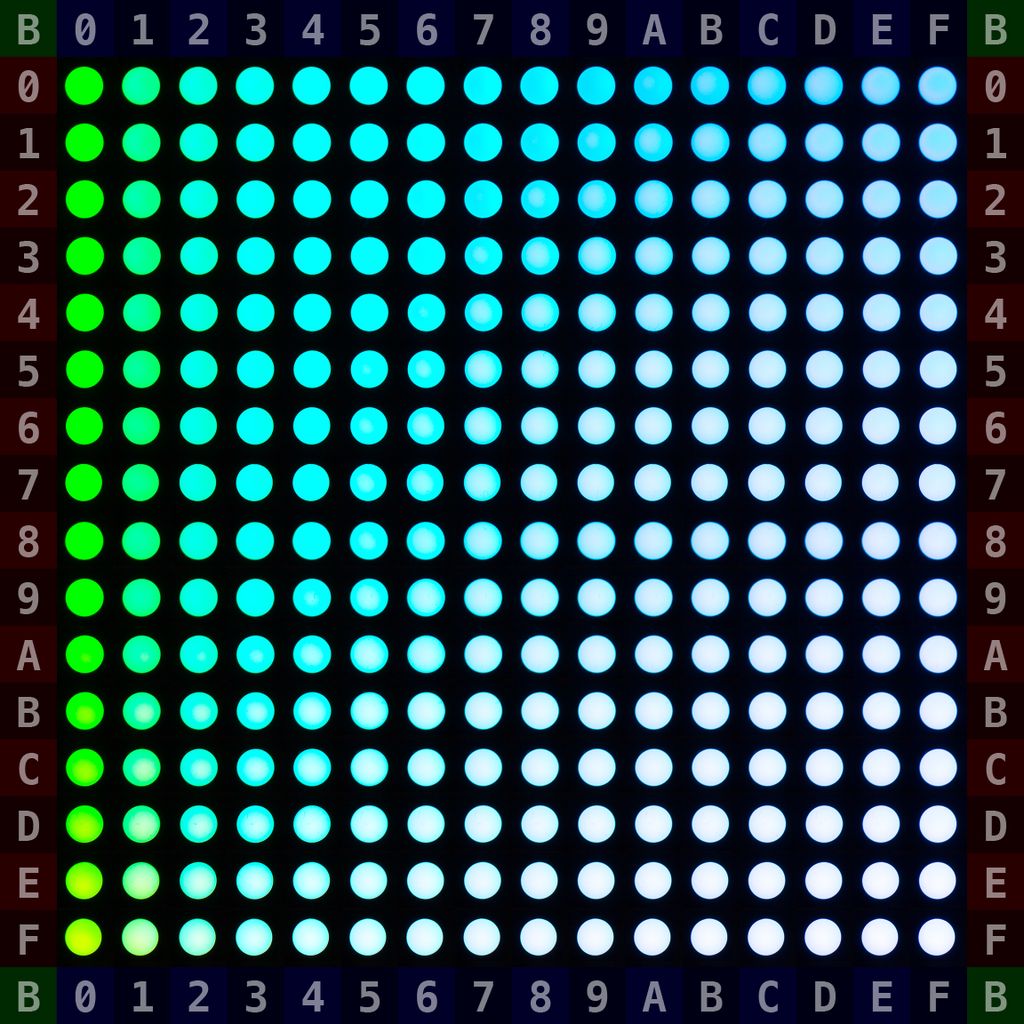
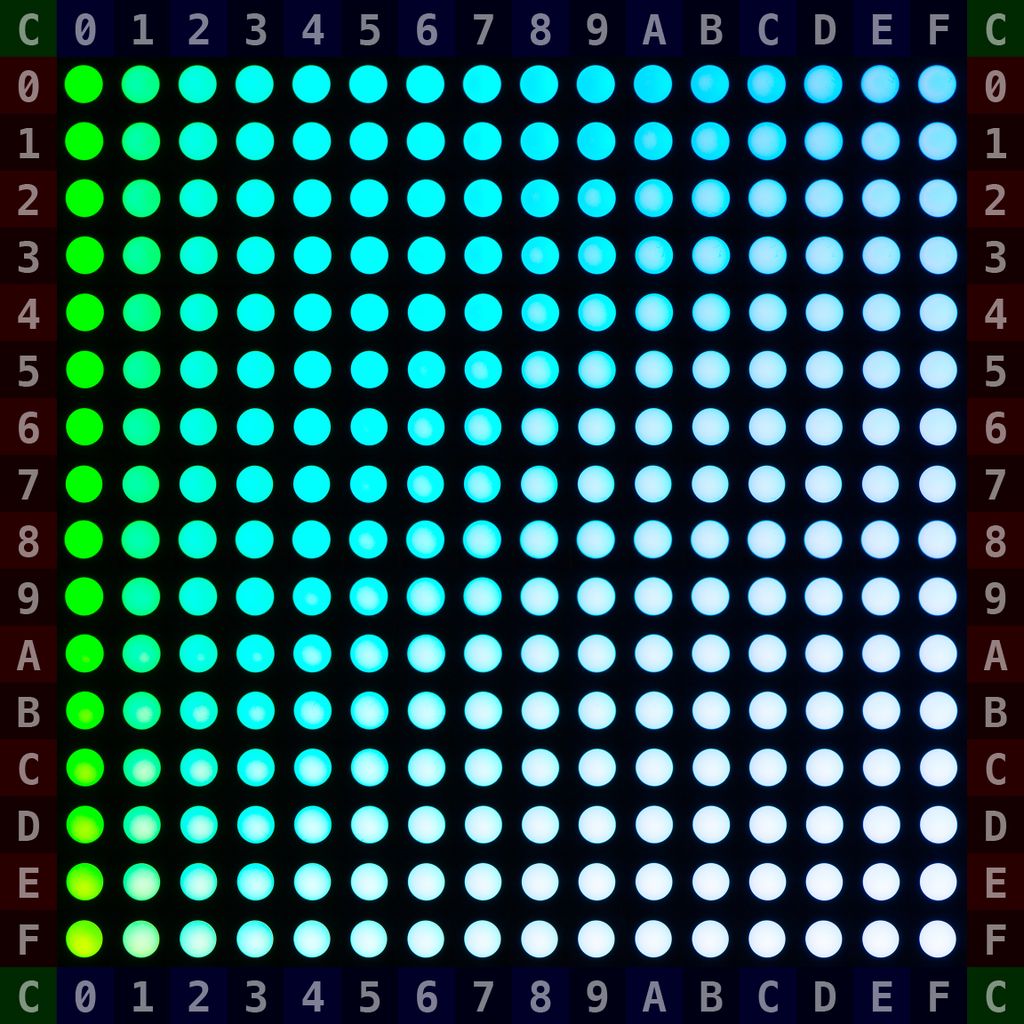
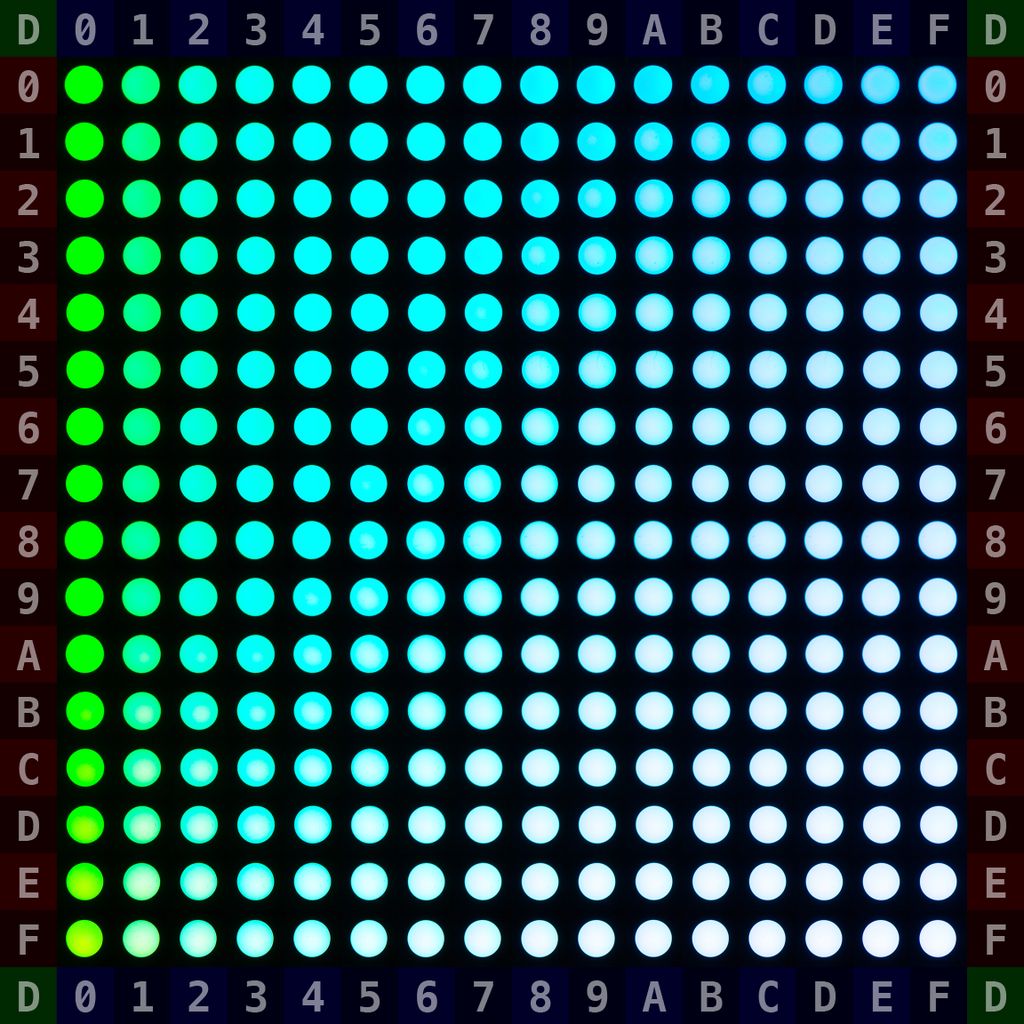
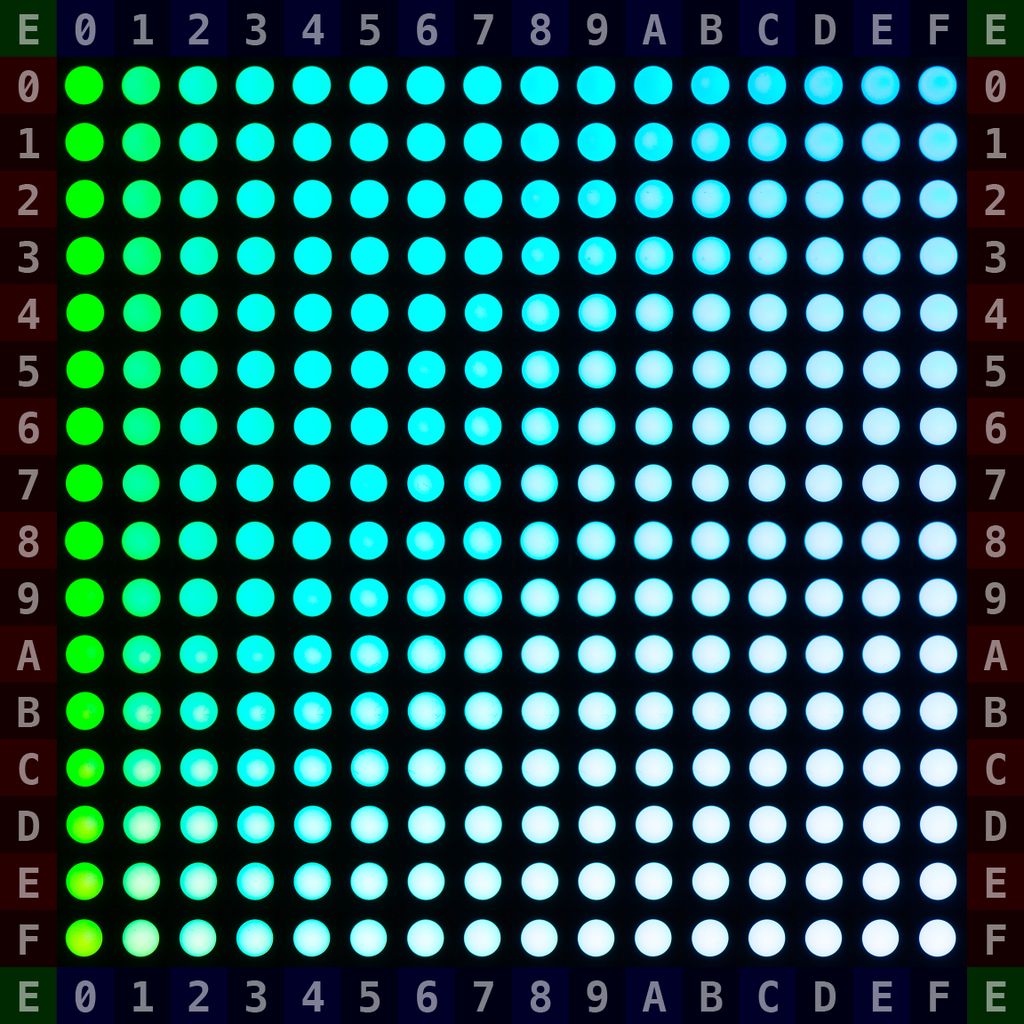
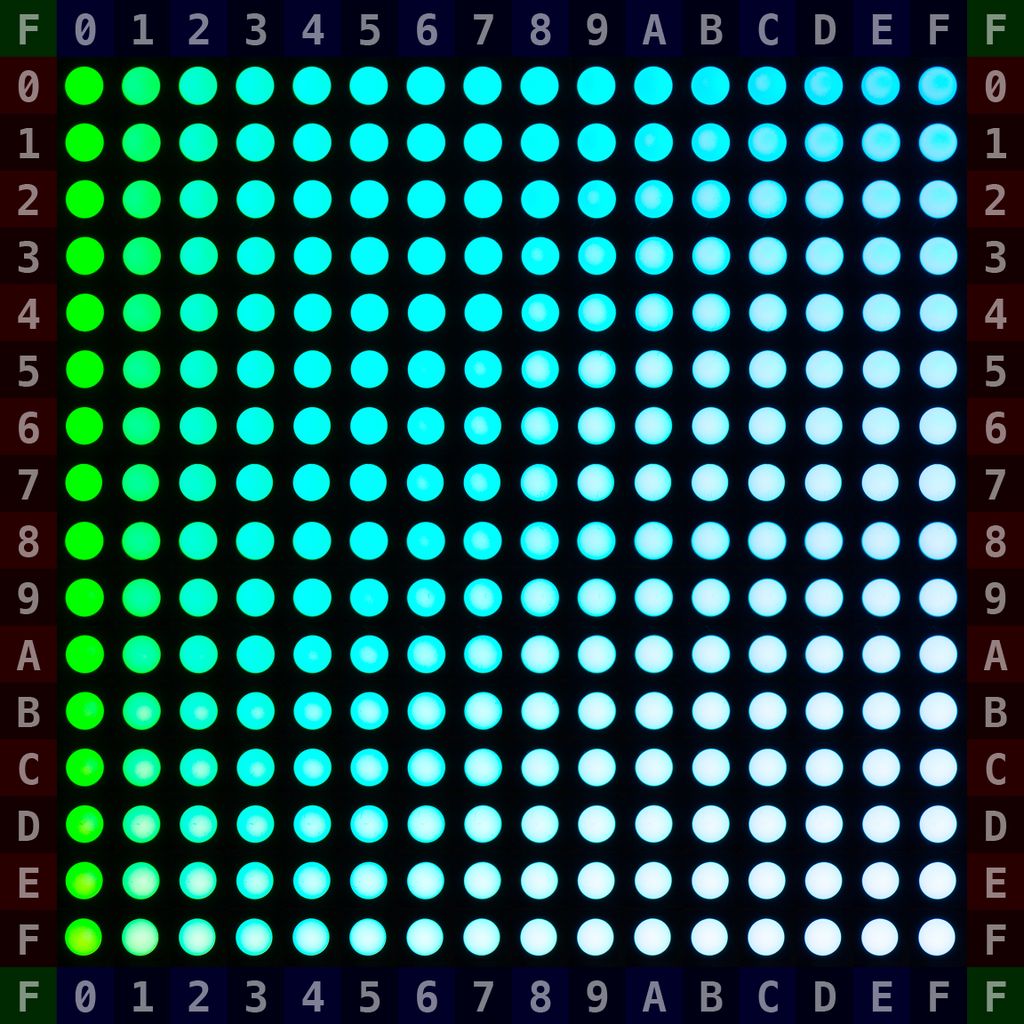
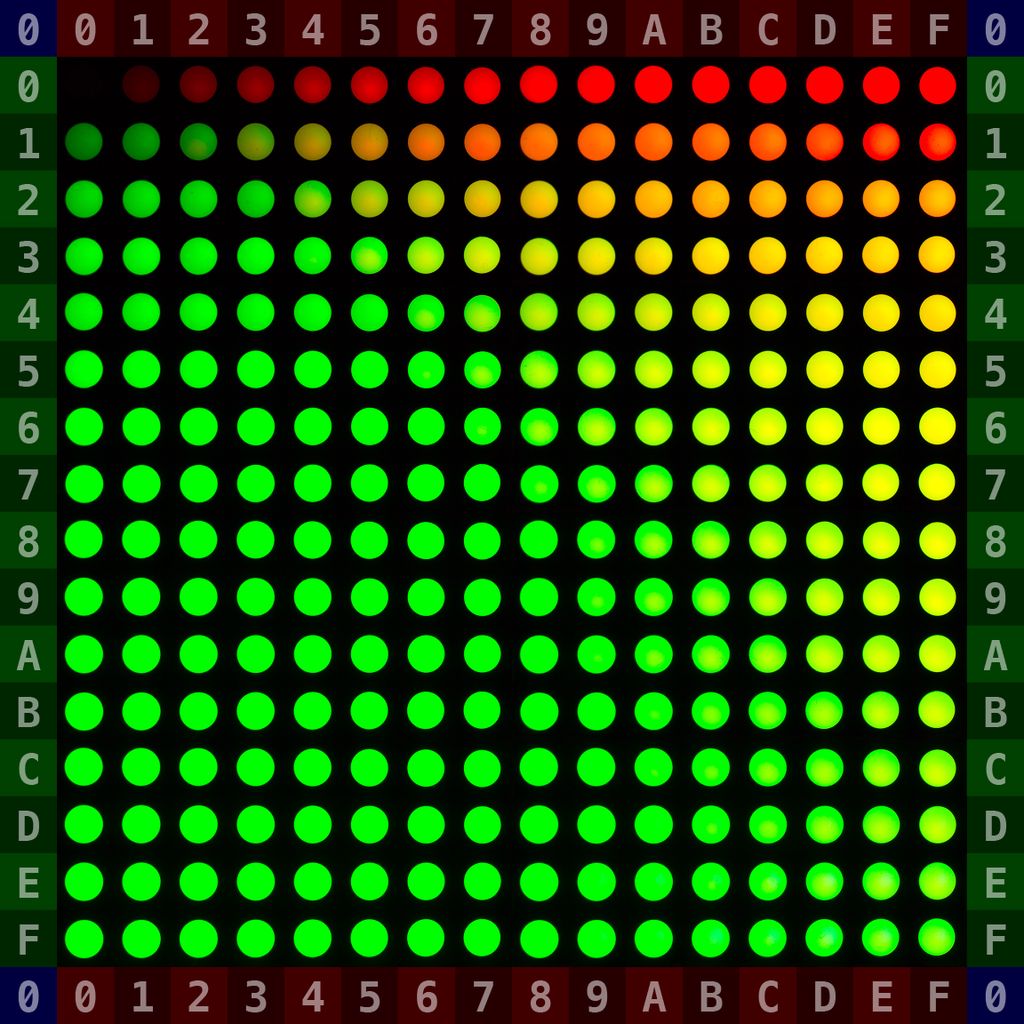
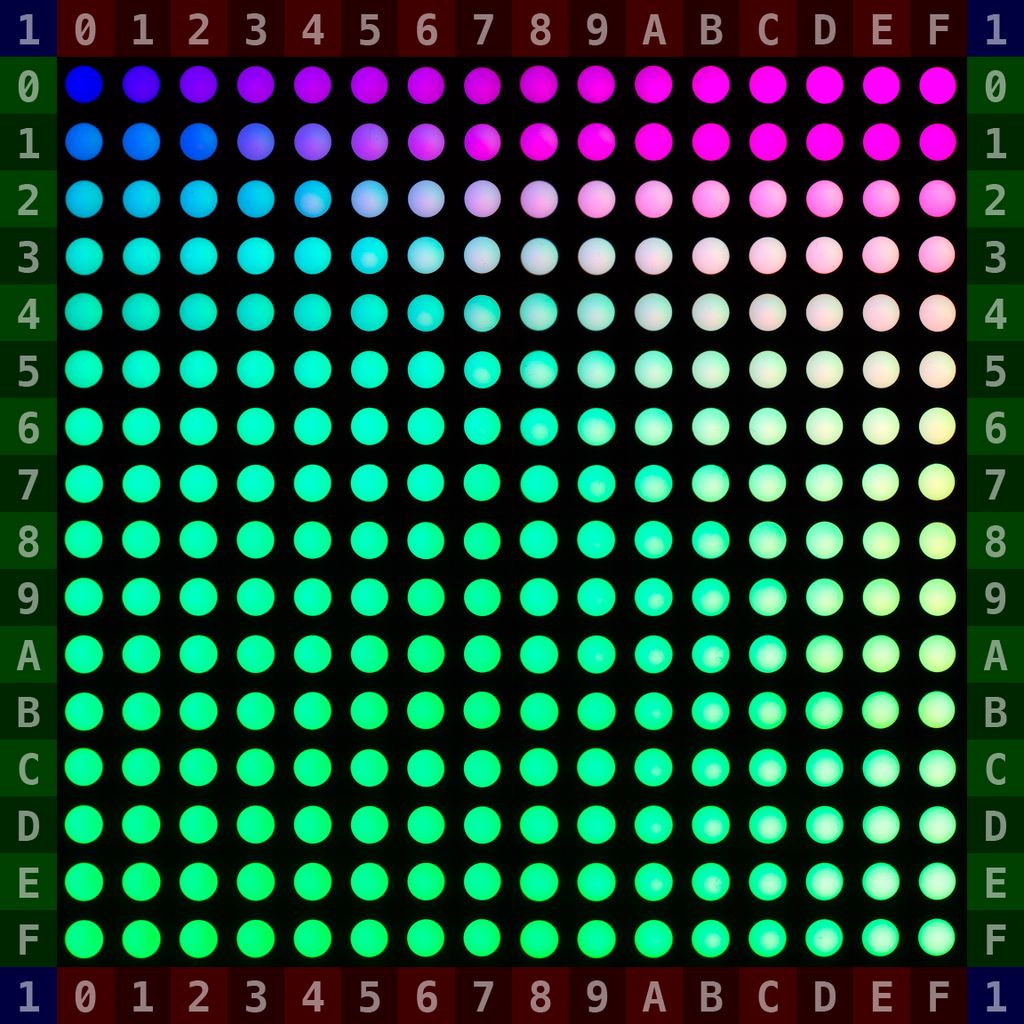
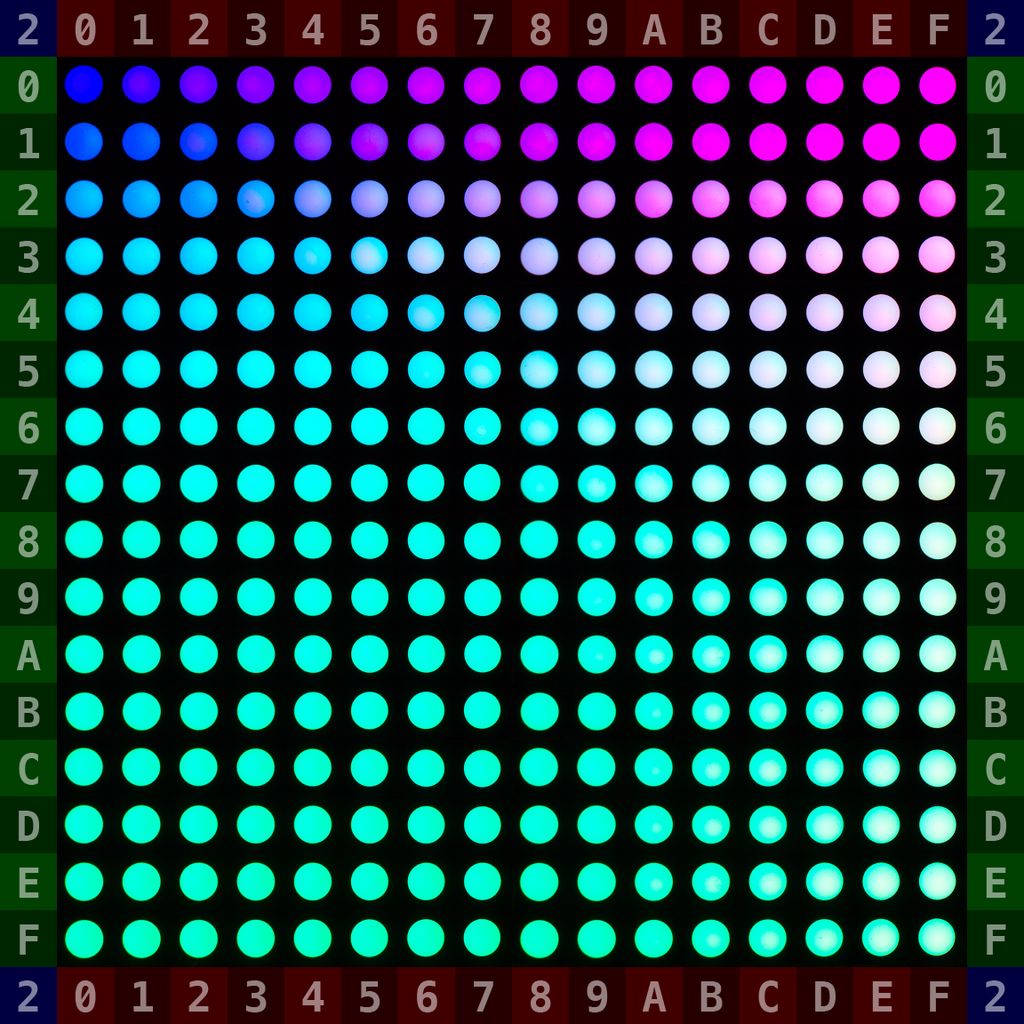
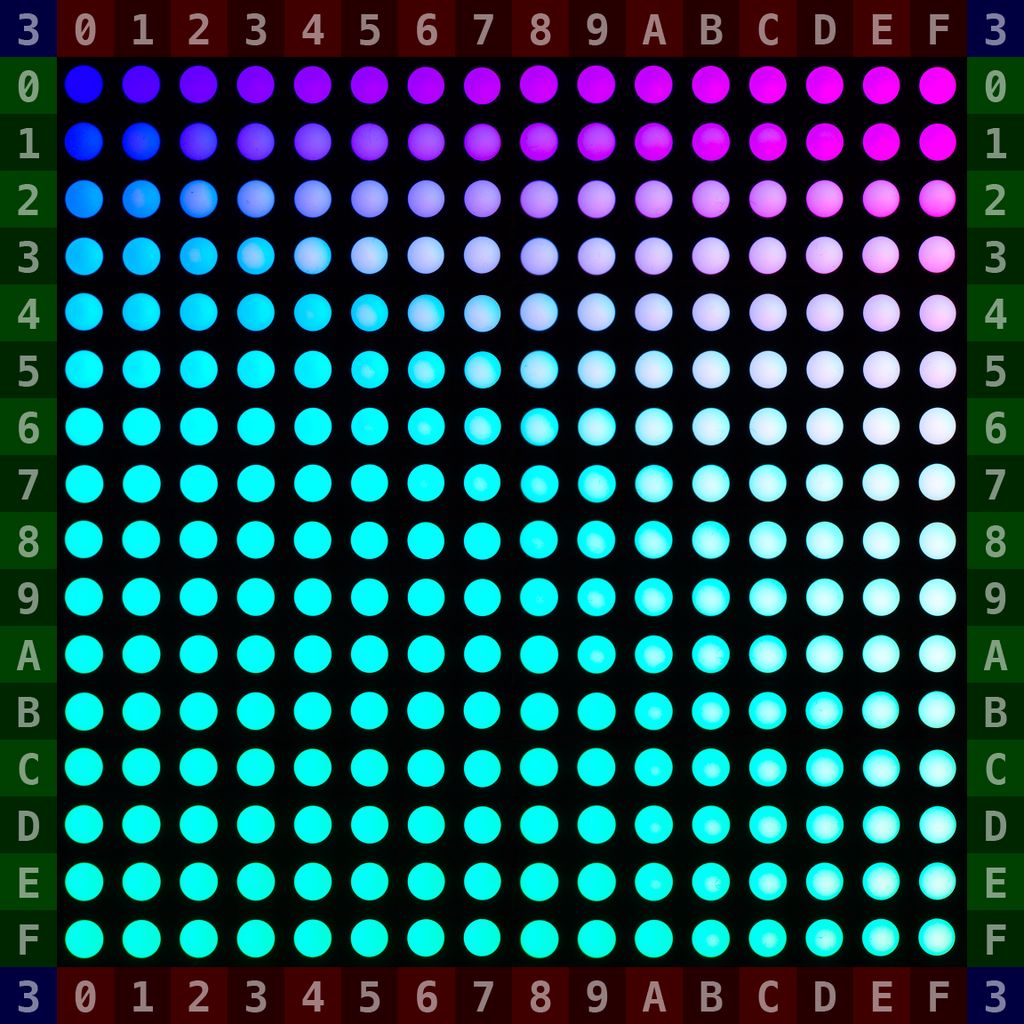
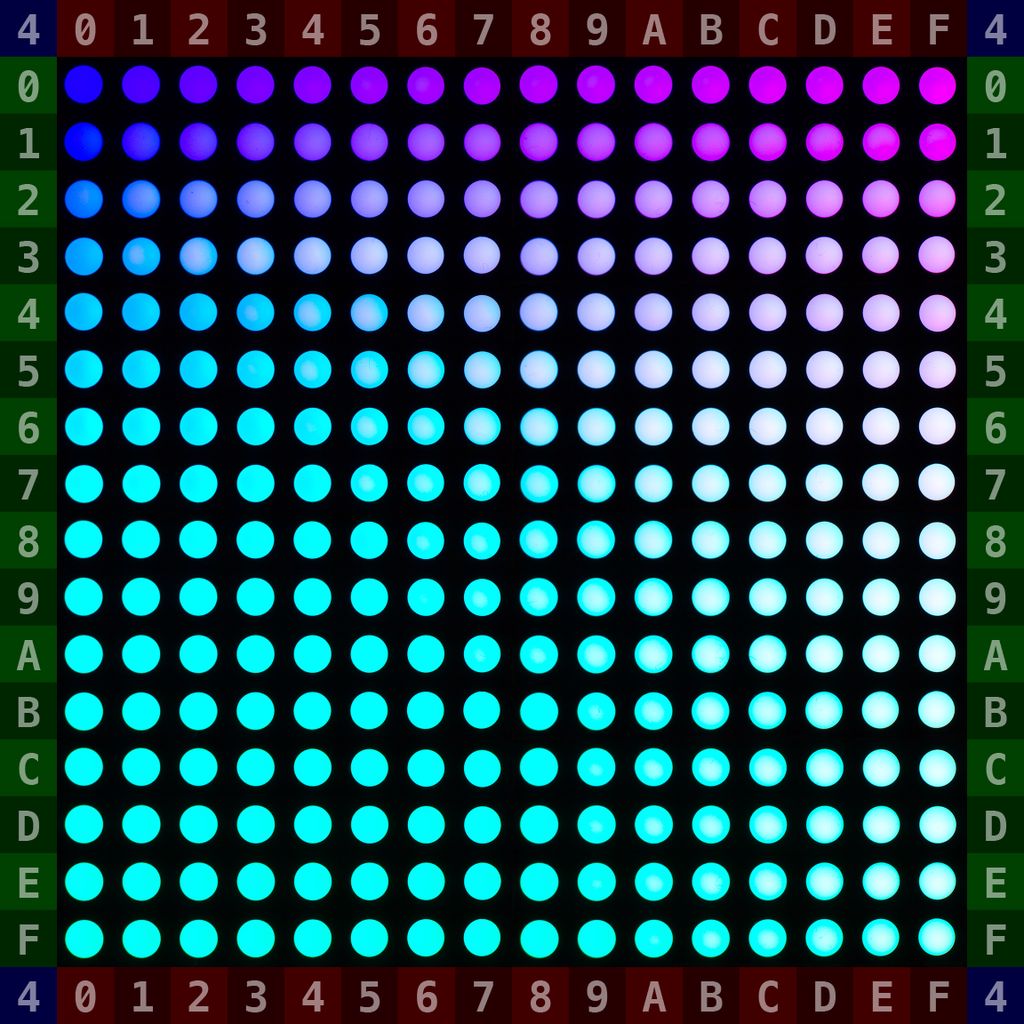
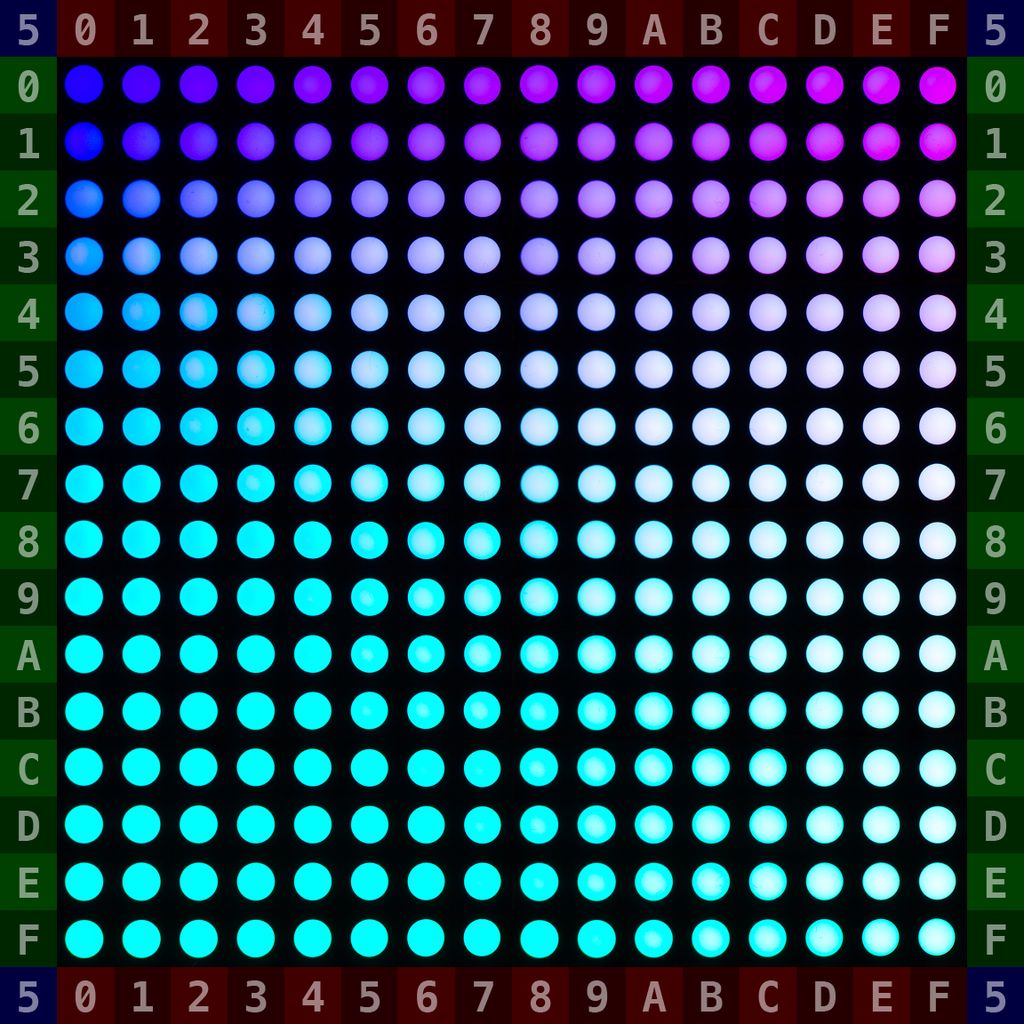
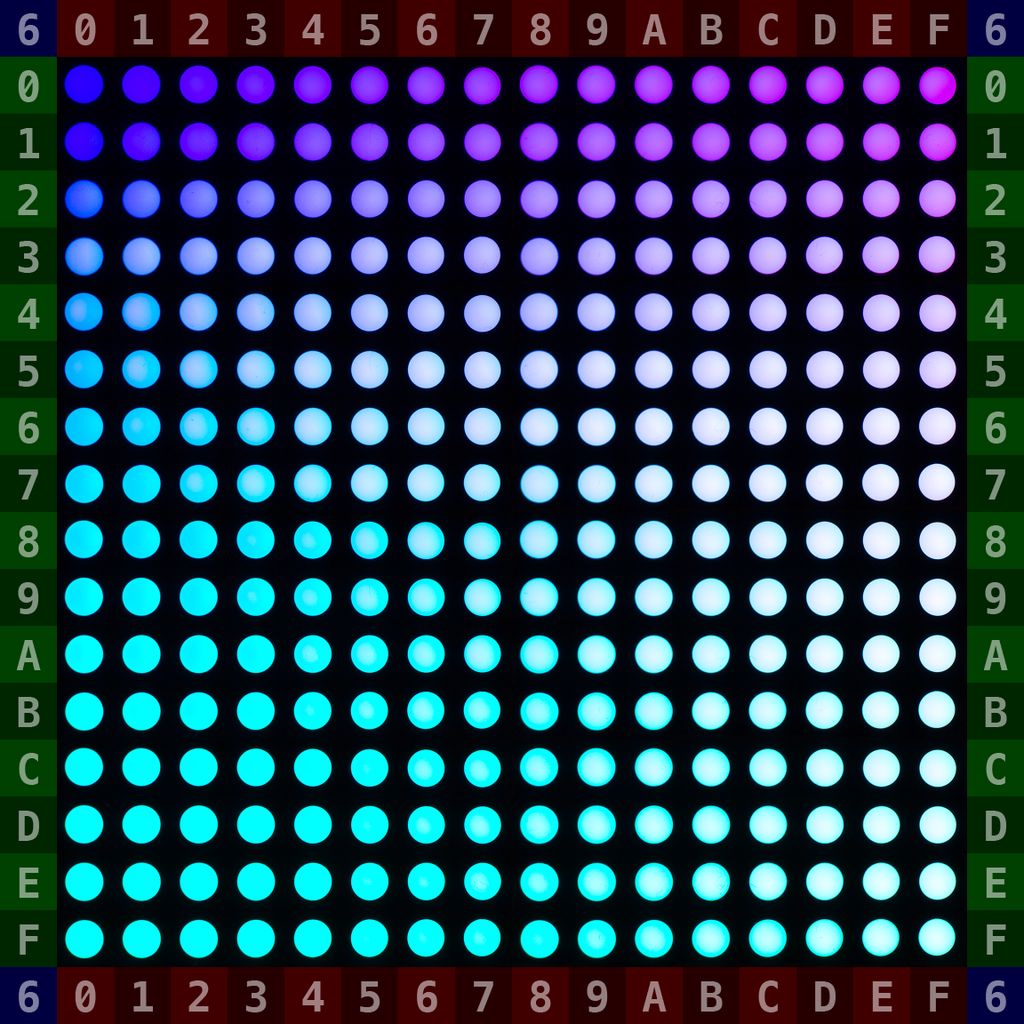
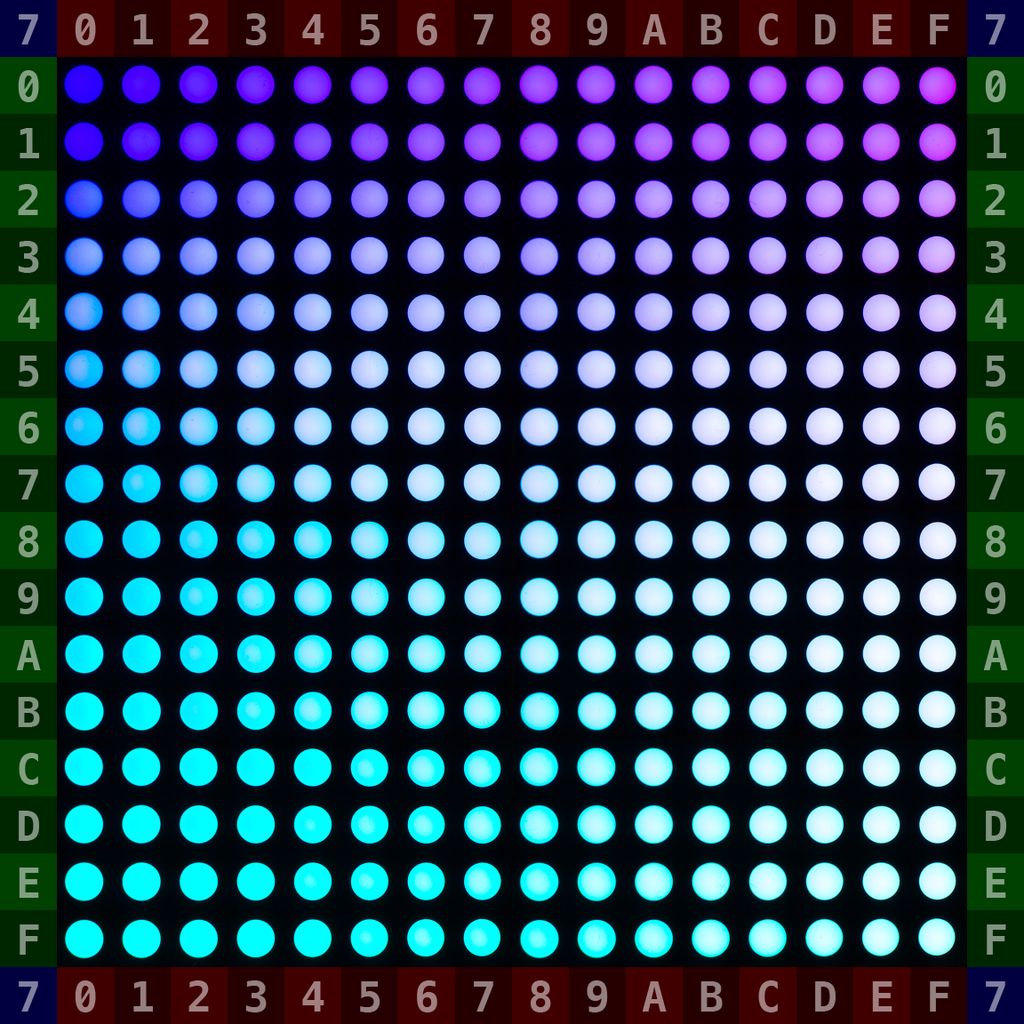
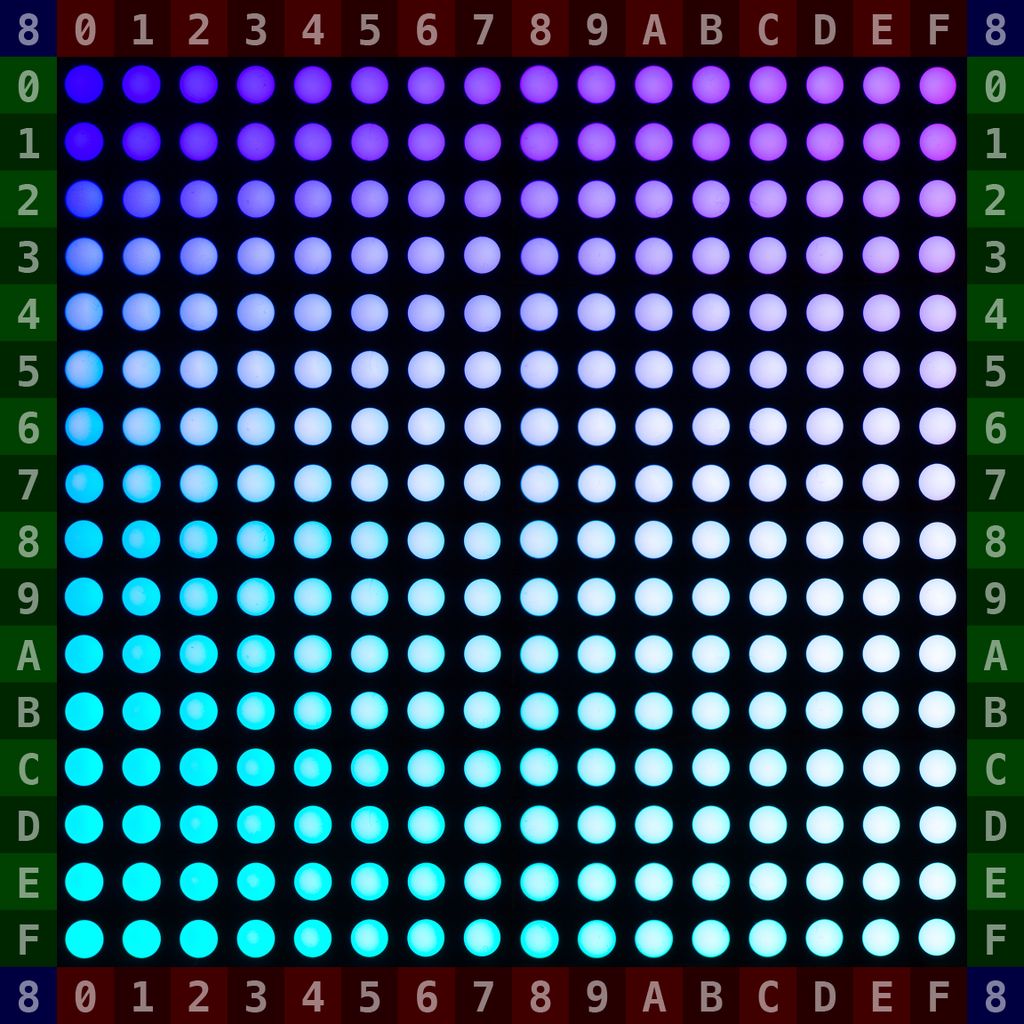
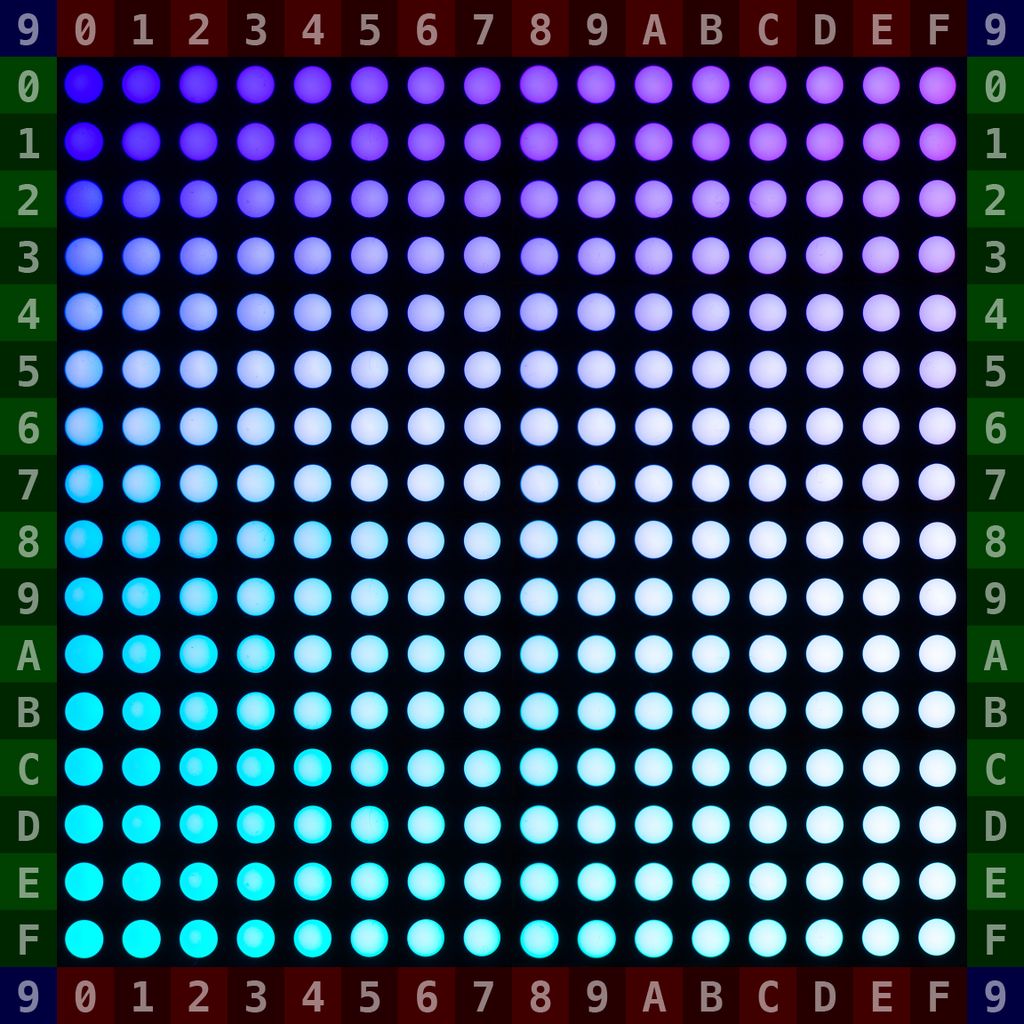
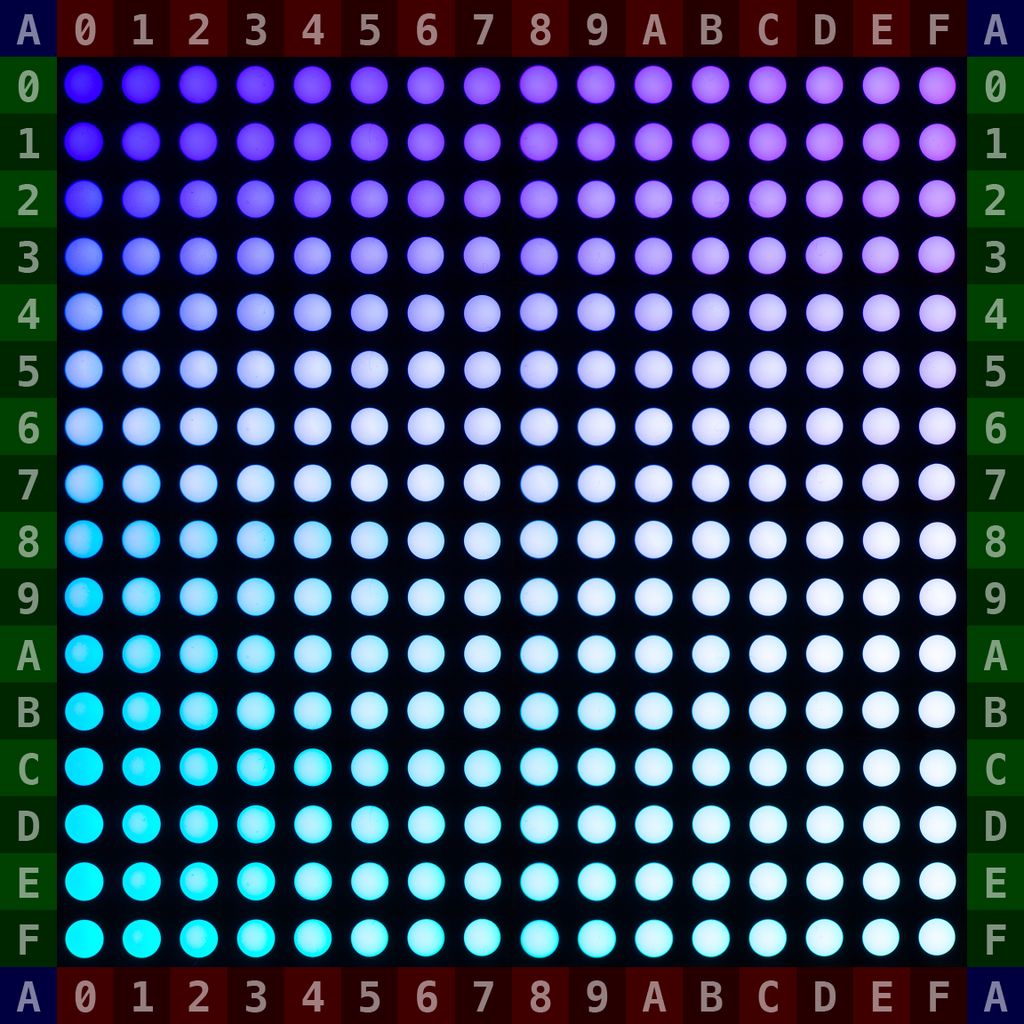
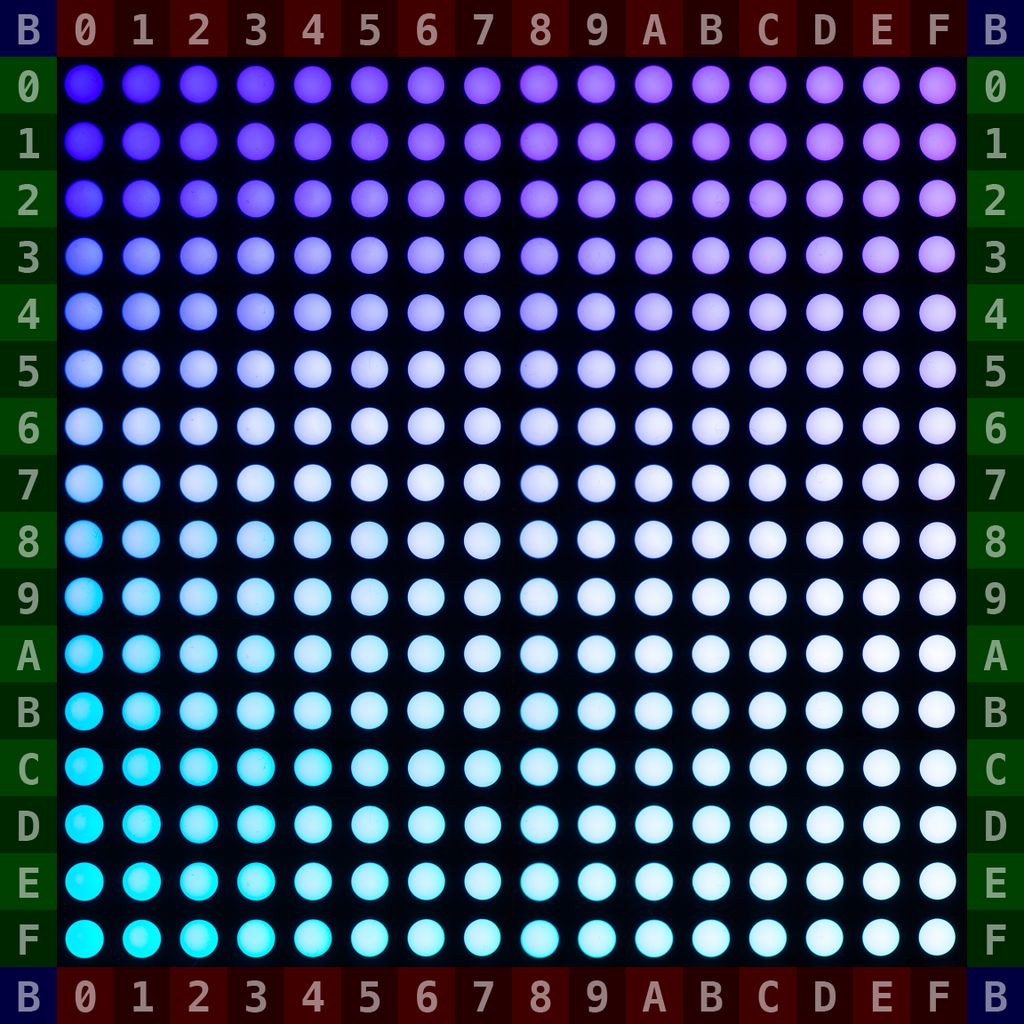
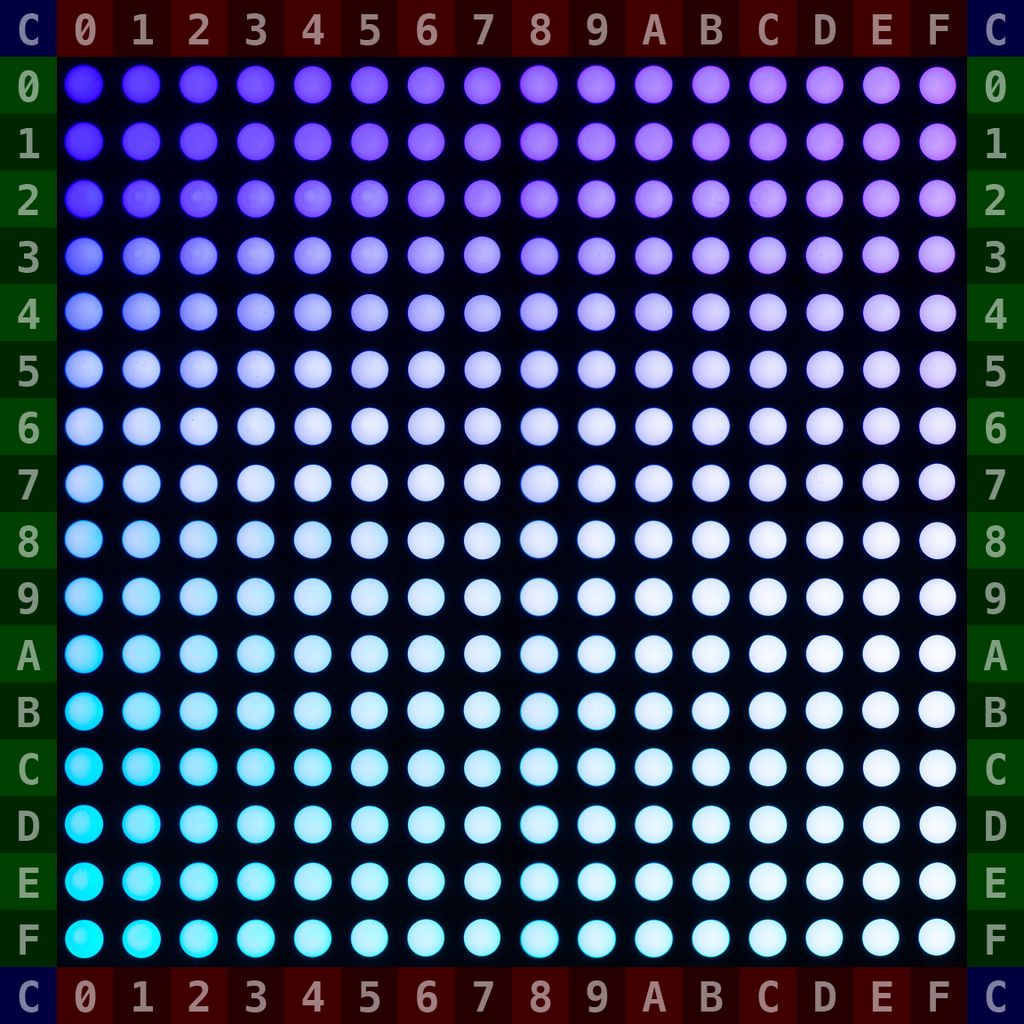
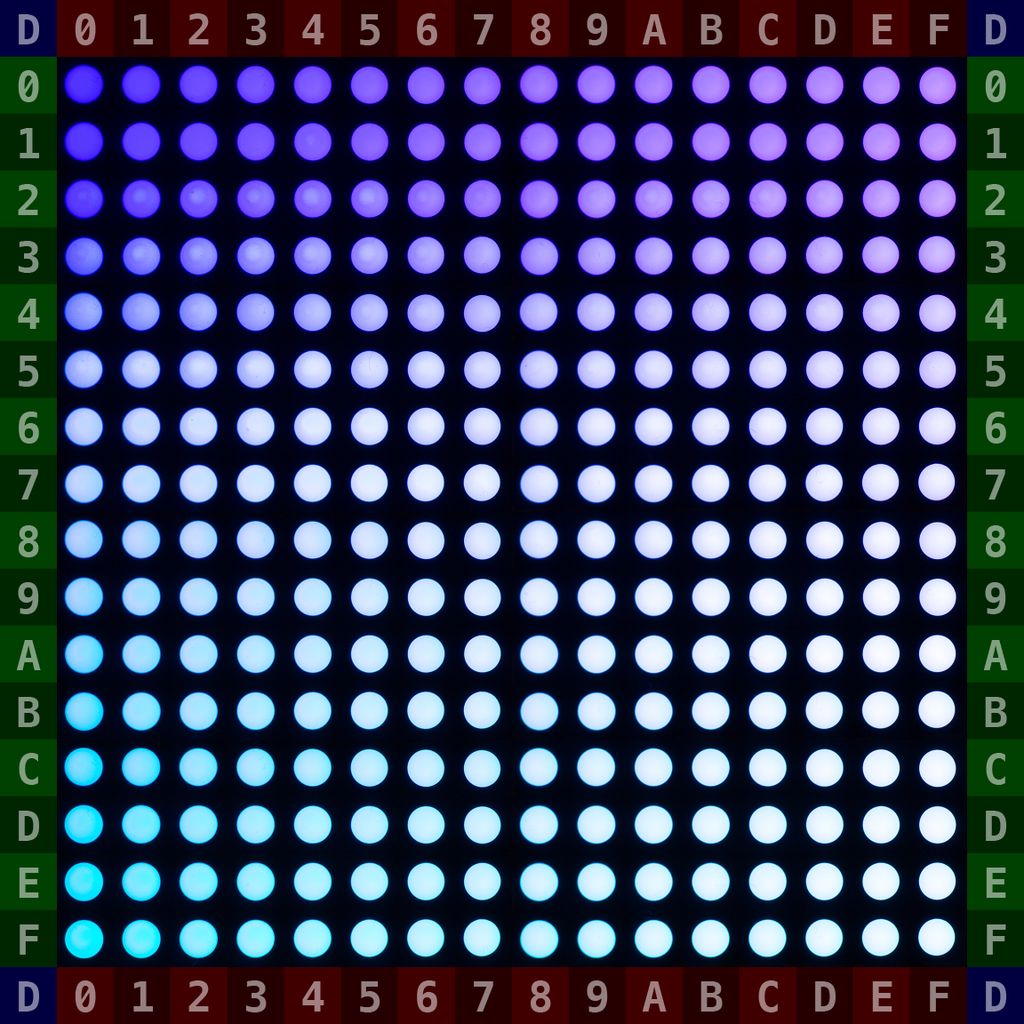
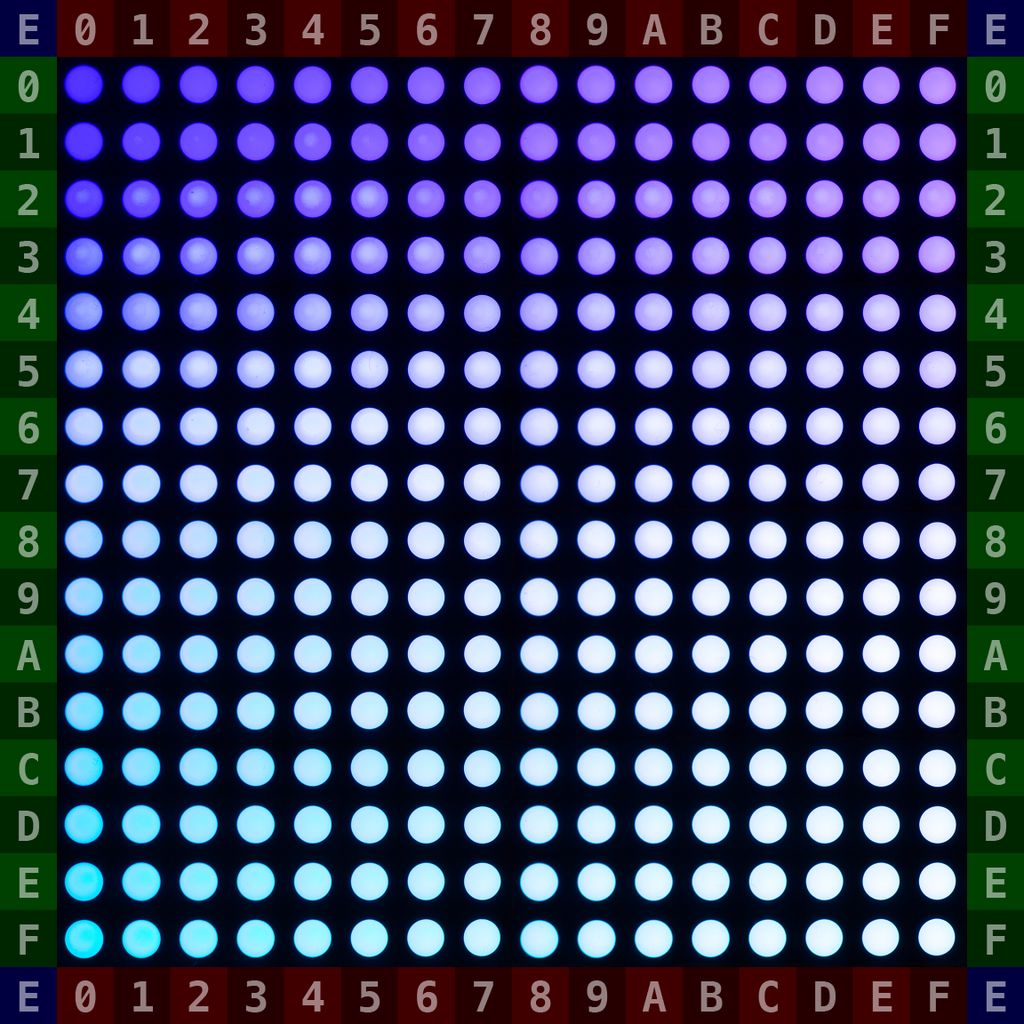
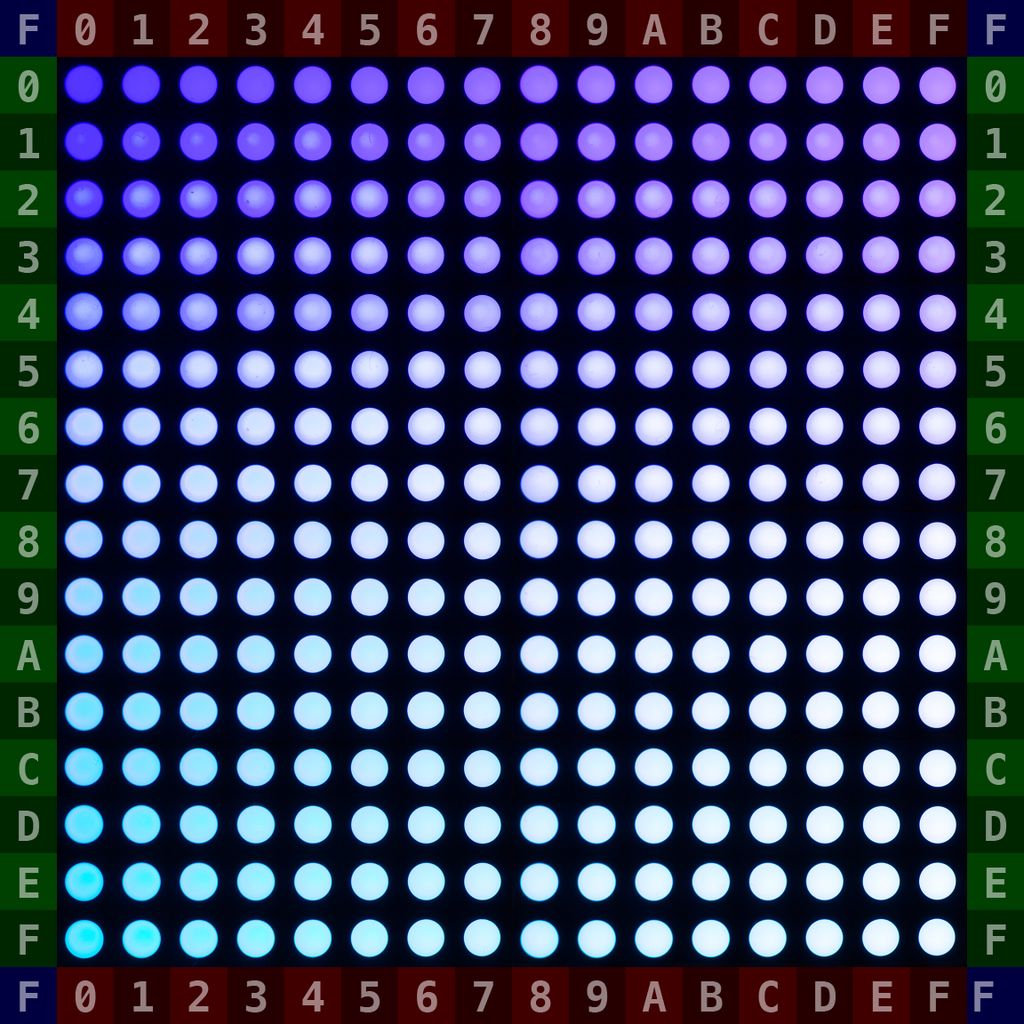
I created a complete color table with the impression of all possible 4096 Meggy Jr RGB colors. The green LED is much brighter than the other two LEDs, the first tables used blue as base which does not make much sense. So I created a second set of tables which use the bright green as base.

If you like to create own tables or if you try to create something like a simulator or color lookup, here a ZIP file with all colors as individual PNG images: MeggyJrColorLEDs.zip

MeggyColorGreen_0
MeggyColorGreen_1
MeggyColorGreen_2
MeggyColorGreen_3
MeggyColorGreen_4
MeggyColorGreen_5
MeggyColorGreen_6
MeggyColorGreen_7
MeggyColorGreen_8
MeggyColorGreen_9
MeggyColorGreen_A
MeggyColorGreen_B
MeggyColorGreen_C
MeggyColorGreen_D
MeggyColorGreen_E
MeggyColorGreen_F

Blue Based Tables

MeggyColor B-0
MeggyColor B-1
MeggyColor B-2
MeggyColor B-3
MeggyColor B-4
MeggyColor B-5
MeggyColor B-6
MeggyColor B-7
MeggyColor B-8
MeggyColor B-9
MeggyColor B-A
MeggyColor B-B
MeggyColor B-C
MeggyColor B-D
MeggyColor B-E
MeggyColor B-F

How I Made this Tables

It looks like a lot of work, but actually wasn’t. I just wrote a small sketch which produced 64 color tables on the display of the Meggy Jr RGB and used a DSLR camera in manual mode to shoot photos from the display. I forgot to remove the dust from the display, it is still visible on some images :-).

I processed the 64 RAW images and removed any distortion until they had a perfect fit. To achieve this I created an “ideal” mask as template. Now I just has to rearrange to LED images to the bigger 16x16 arrays. Extracting and composing was mostly done using ImageMagick with Perl scripts. Everything took not longer than one hour.

More Posts

Decorative, Massive, Modular Box

Posted on 2021-02-27— 3D Printing, Projects

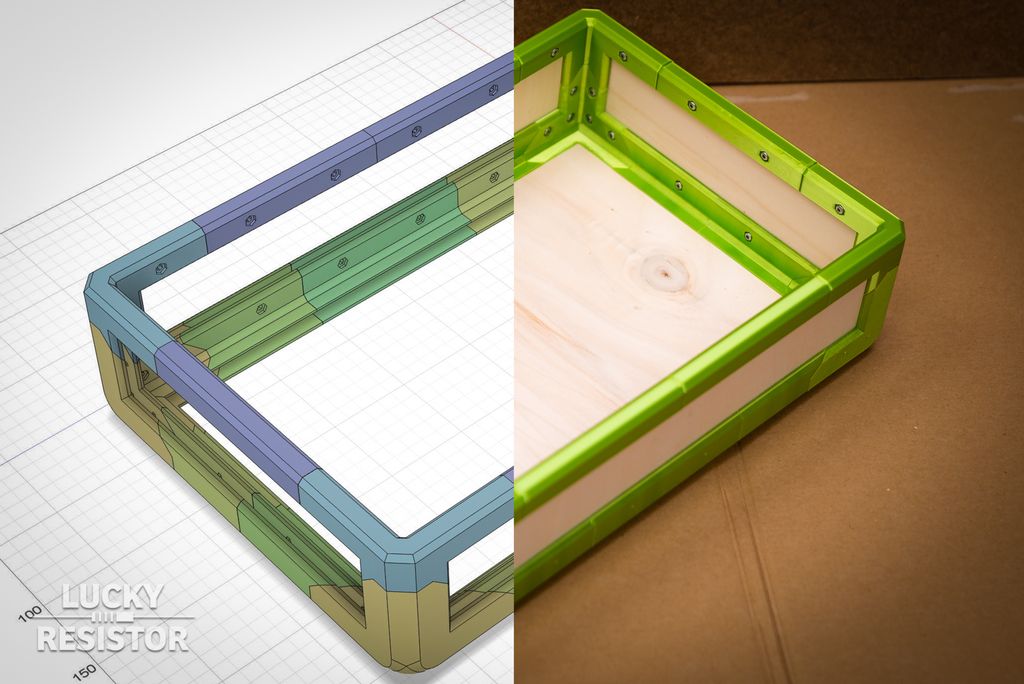
I designed a decorative, sturdy modular box built from 3D-printed parts, 5mm plywood and wood screws. The post guides you through cutting, printing, assembly and a simple part calculator to scale sizes in 60mm steps. If you enjoy hands-on projects, read the full tutorial to build and customize one.
Read this post

Tiny Particle Sensor Node with Decorative Case

Posted on 2019-02-23— Projects

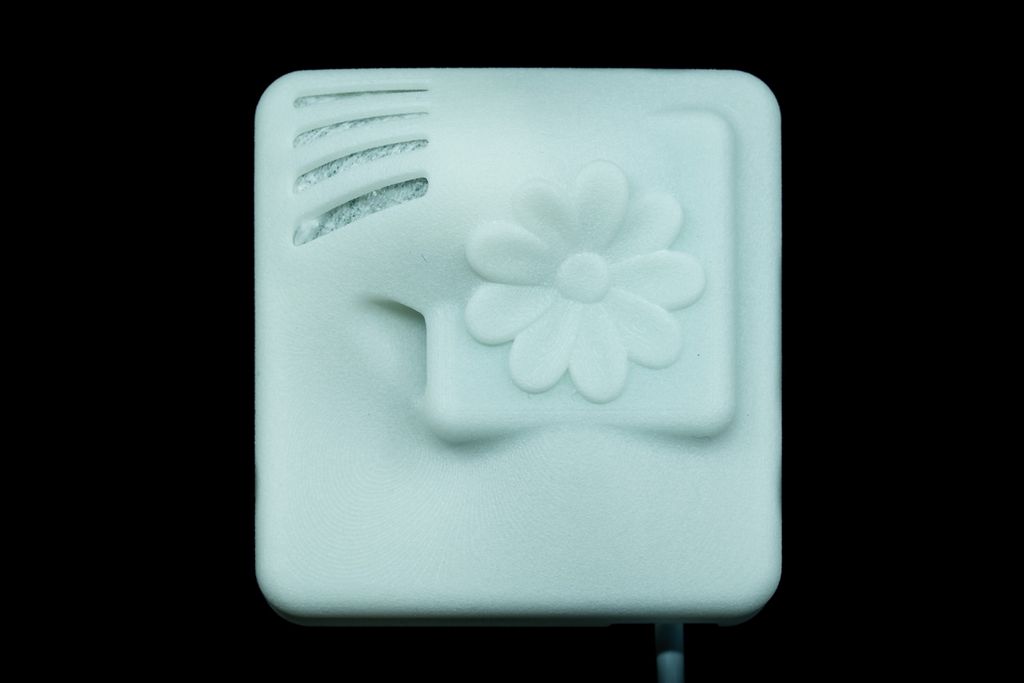
I guide you through building a compact particle sensor node using a Raspberry Pi Zero W and a minimal custom shield, with published Gerbers, STL files and example code. I keep the design simple and extendable—if you'd like to build your own networked air-quality node, read the full post for parts, assembly and setup.

Read this post

PCBite Kit 2.0 from Sensepeek Arrived

Posted on 2018-02-26— Common

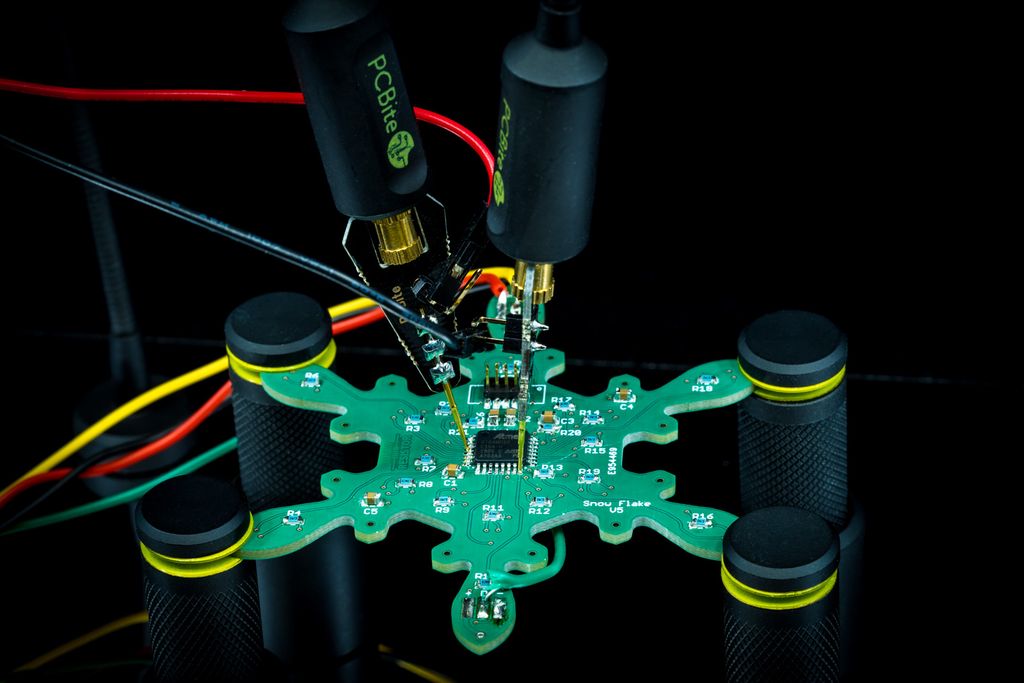
I just received the PCBite Kit 2.0 from Sensepeek and explored its mirror board, magnetic pogo-style probes, and PCB holder. I found the gold needle tips and crown forks helpful for accessing tiny pads without test points. If you work on soldering or circuit analysis, read on for my hands-on impressions.

Read this post

How to Deal with Badly Written Code

Posted on 2018-08-31— C++, How and Why, Improve your Code

I often encounter poorly written C++ libraries, especially around hardware. In this post I outline four practical strategies—rewrite, refactor, wrap the library, or wrap the interface—to regain control, improve reliability, and reduce pain. Read on for pragmatic steps and examples you can apply to your projects.

Read this post

Split Storage Boxes Update

Posted on 2021-04-10— 3D Printing, Projects

I recently updated my storage-boxes system to include split boxes so you can print larger containers or use small printer beds. I tested glued joints with PLA and PETG and added 12 new STL parts. Read the full post to see part numbers, joining tips, and where to download them.

Read this post

My Personal Programming Language Recommendation Shift over Time

Posted on 2019-04-15— Recommendations

I've been developing software for over 20 years and share how my language preferences shifted—from assembler and C to Python, Swift, C++, Go and Rust. I outline use-cases and trade-offs in a personal, practical way; if you're deciding what to learn, please read the full post for detailed guidance.

Read this post