
From Prototype to the Final Device

published: November 8, 2014 — last modified: October 23, 2025

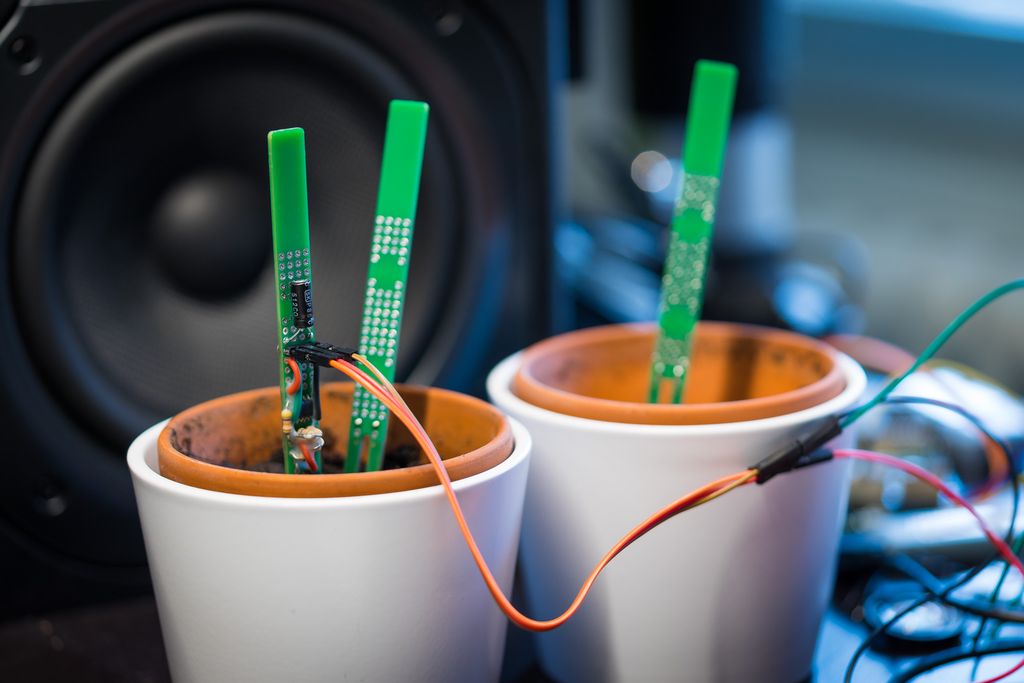
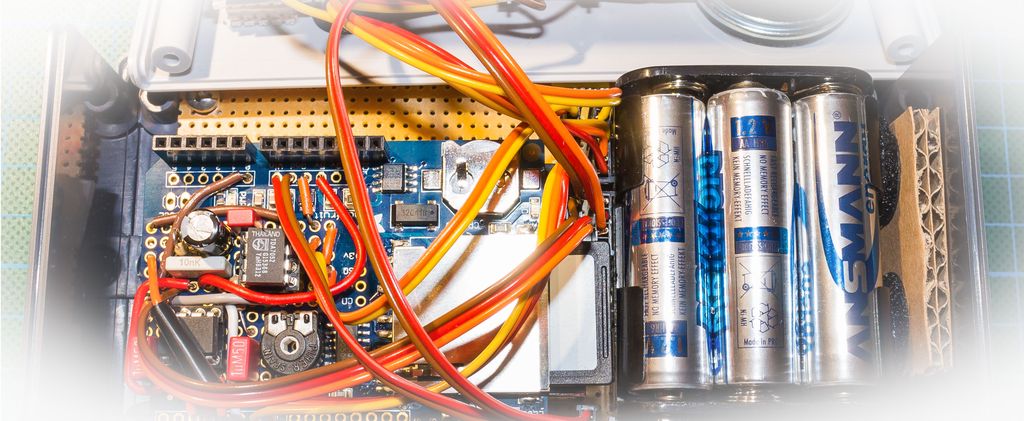
After successful testing of the prototype, I created the final device. I added a final page to the Cat Protector project describing step by step how the final device is built from the prototype.

You can read all details here: From the Prototype to the Final Device, or start here with the project overview.

More Posts

Adafruit PCB Coaster Arrived

Posted on 2018-02-21— Common

I just received the Adafruit PCB coaster and was pleasantly surprised—photos don't do it justice. Made from 2.4mm FR4 with a transparent solder mask and black silkscreen, it blends cold and copper tones nicely. Read on for my quick impressions and close-up photos.
Read this post

Let’s Print a Cat/Pet Feeding Device (Part 7)

Posted on 2021-04-03— 3D Printing, Projects

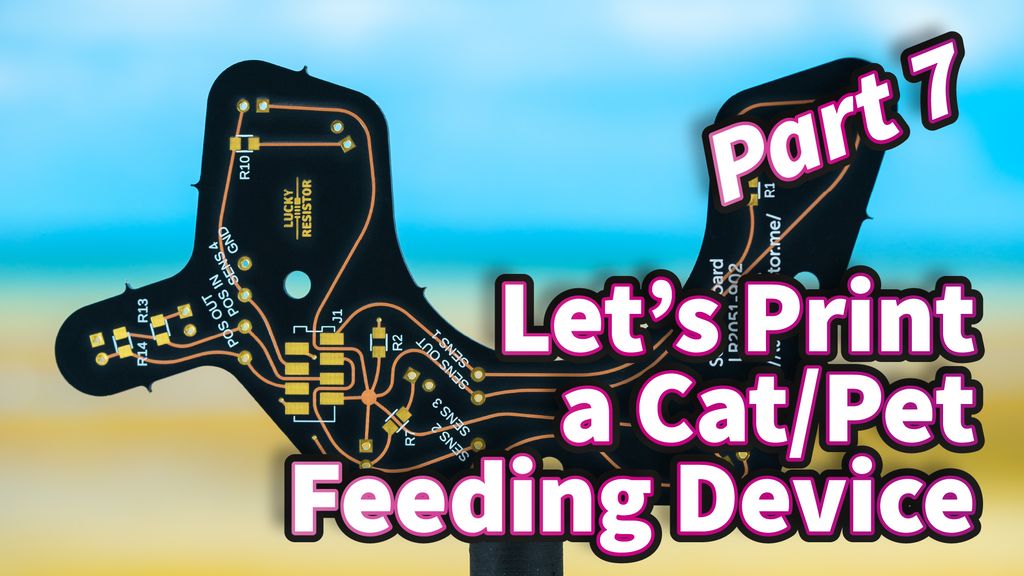
I walk through the sensor board I designed for the pet feeder, explaining the position sensor, four fill sensors, and why component choices (like the 100kΩ resistor) matter. I keep the design simple and practical — read the full post for schematics, measurements, and ordering details.

Read this post

Building a Magnet Matrix

Posted on 2016-09-08— Projects

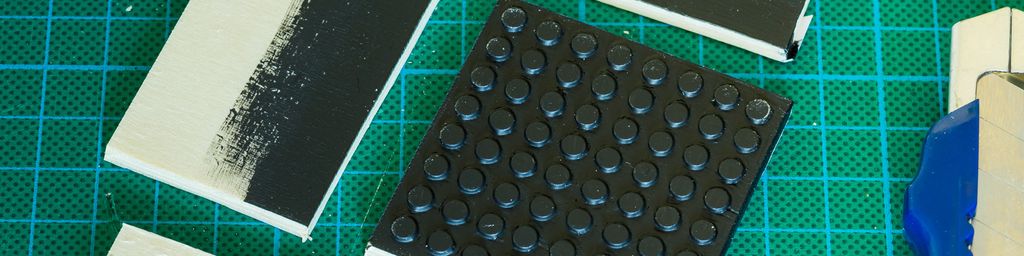
I built an 8×8 neodymium magnet matrix to keep steel-ball switches in place under a PCB for my Outmoded Sequencer. I walk through marking and drilling 64 holes, gluing each magnet, and sealing with acrylic paint. If you're curious to try this practical approach, read the full post for step-by-step tips.

Read this post

How to Design a Cheap Plant Watering Sensor (Part 1)

Posted on 2017-02-08— How and Why

I walked through designing a cheap capacitive plant watering sensor, from goals and measurement options to component selection and early prototypes. I explain why I chose a CR2032‑powered op‑amp oscillator, ATtiny MCU and low‑power timer. If you’re curious, read the full post for details and test results.

Read this post

Write Less Code using the "auto" Keyword

Posted on 2019-07-12— C++, Improve your Code, Learn

I walk through practical ways I use C++11's auto keyword to reduce repetitive declarations, simplify range-based for loops, lambdas and register access, and make Arduino and embedded code easier to refactor. Read the full post for examples and tips you can apply to your projects.

Read this post

Inline AES 256 / CBC Implementation

Posted on 2019-04-14— Common, Software

I created a readable, fully inline AES‑256/CBC implementation you can drop into C++ projects — handy for embedded systems. It avoids static S‑Boxes, needs only stdint/cstddef, and is MIT‑licensed on GitHub. If this sounds useful, read the full post for requirements, example code, and usage notes.

Read this post